
The best audio compressors under $200 can smooth vocal dynamics, add punch to instruments, and help keep a live or streaming mix controlled without requiring a large studio budget.
This roundup includes rack units, inline preamp-compressors, program limiters, and compressor pedals, so you can match the format and controls to your signal chain.
Best 10 Audio Compressors Under 200 Picks for 2026
Studio Control Pick
Dual-Channel Dynamic Processor

- Dual-channel VCA compression
- Noise gate and sidechain insert
- XLR/TRS rackmount connectivity
Best For: Studio, live, and streaming signal control
Versatile Rack Pick
Behringer Composer Pro-XL MDX2600

- Two-channel compressor
- Built-in limiter and gate
- Suitable for mixing and mastering
Best For: Production setups needing multi-function dynamics control
Simple Limiting Pick

- Stereo program limiting
- Compact five-inch enclosure
- Lightweight one-pound design
Best For: Basic stereo level control in space-conscious setups
Guitar Tone Pick
Jackson Audio Blossom Optical Compressor

- Transparent optical compression
- Blend control preserves natural attack
- Tilt EQ and 9V–18V operation
Best For: Guitarists wanting smooth sustain and flexible tone shaping
Rackmount Versatility
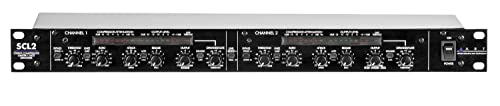
- Dual-channel or linked stereo operation
- Compression, limiting, expansion, and gate functions
- Balanced TRS/XLR connectivity with LED meters
Best For: Home studios and live setups needing flexible stereo dynamics control
Mic-Chain Simplicity
Triton Audio Kompressor Inline XLR
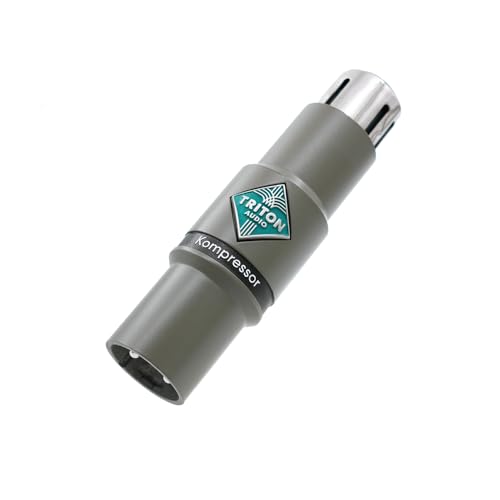
- Adds 25 dB of microphone gain
- One-knob FET-OPTO compression control
- Compact XLR design with ribbon-mic protection
Best For: Dynamic and ribbon microphones in podcasting or recording
Classic Pedal Control

- Updated version of the DOD Compressor 280 circuit
- Dedicated Comp and Level controls
- True bypass with compact aluminum chassis
Best For: Guitarists and pedalboard-based setups
Best Rackmount Value
Behringer COMPOSER PRO-XL MDX4600 V2

- Four-channel dynamics processing
- Dynamic Enhancer for lively audio
- Low Contour filter reduces pumping
Best For: Multi-channel rack-based studio and live setups
Best Guitar Pedal Warmth
Keeley Compressor Plus Germanium

- Warm Germanium tone shaping
- Natural sustain and touch response
- 9–18V, true or buffered bypass
Best For: Expressive guitar pedalboard compression
Best Vocal Versatility
Dual-Channel Rackmount Compressor

- Dual-channel compression and limiting
- XLR/TRS studio and live connectivity
- Noise gate and sidechain insert
Best For: Vocals, streaming, podcasting, and live sound
Studio Control Pick – Dual-Channel Dynamic Processor
For shoppers comparing audio compressors under 200, this dual-channel rackmount processor offers flexible dynamics control for studio, live, and streaming setups. Its classic VCA circuitry, noise gate, LED monitoring, and sidechain insert provide useful control over vocals, instruments, and mixed signals.
Best For: Users who need two-channel compression with noise-gate and sidechain flexibility.
Pros:
- Dual-channel design with Overeasy compression and auto attack/release settings.
- XLR and 1/4-inch TRS connectivity suits professional and live sound routing.
- LED indicators, noise gate, and sidechain insert support precise signal shaping.
Cons:
- Its 1U rackmount format may be more equipment than casual users need.
- Operation requires a corded power connection.
This is a strong choice when you want an affordable rack compressor with monitoring, gating, and targeted sidechain control in one unit.
Versatile Rack Pick – Behringer Composer Pro-XL MDX2600
Among audio compressors under 200, the Behringer Composer Pro-XL MDX2600 stands out as a two-channel rack unit designed for production, mixing, and mastering. Its compressor, limiter, and gate functions make it suitable for managing dynamics across different stages of an audio workflow.
Best For: Home studios and audio-production setups needing multi-function two-channel dynamics processing.
Pros:
- Combines two-channel compression, limiting, and gating.
- Designed for audio production, mixing, and mastering applications.
- Portable rack-style construction and a listed two-year warranty.
Cons:
- The supplied specifications provide limited detail about controls and connectivity.
- Its rack-oriented design may not suit users seeking a compact pedal or desktop unit.
The MDX2600 is a practical all-rounder for buyers who value several dynamics tools in a single two-channel processor.
Simple Limiting Pick – Rolls Stereo Program Limiter
For buyers seeking audio compressors under 200 with a straightforward focus, the Rolls SL33B is a stereo program limiter in a compact black enclosure. Its small product dimensions and one-pound weight make it a practical option where basic stereo level control and easy placement matter.
Best For: Users who want a compact stereo program limiter for simple signal-level management.
Pros:
- Purpose-built as a stereo program limiter.
- Compact five-by-five-by-five-inch product dimensions.
- Lightweight one-pound design is easy to position.
Cons:
- The supplied notes do not list detailed controls or connectivity.
- It is a limiter rather than a broadly specified compressor with multiple processing modes.
The SL33B makes the most sense for buyers who prioritize a small, focused stereo limiter over extensive compression features.
Guitar Tone Pick – Jackson Audio Blossom Optical Compressor
For guitarists comparing audio compressors under 200, the Jackson Audio Blossom combines optical compression with blend, volume, compression, and tilt-EQ controls. Its transparent response is designed to smooth dynamics while preserving tone, and its 9V-to-18V operation offers added headroom at 18V.
Best For: Guitarists seeking natural optical compression with parallel blend and tonal shaping.
Pros:
- Optical circuit delivers transparent, natural, and subtle compression.
- Blend control mixes clean and compressed signals for preserved attack.
- Tilt EQ, master volume, and adjustable compression expand tone-shaping options.
Cons:
- It is a guitar-focused pedal rather than a dual-channel studio rack compressor.
- Power must stay within the specified 9V-to-18V DC range.
- High compression with increased volume can cause clipping, according to the supplied guidance.
The Blossom is a compelling fit when musical guitar sustain and tone preservation matter more than extensive studio routing.
Rackmount Versatility – ART SCL2 Compressor/Limiter
For audio compressors under 200, the ART SCL2 is a practical choice when you need two channels or linked stereo operation in a rack-style analog unit. It combines compression, limiting, expansion, and gating with balanced 1/4-inch TRS and XLR connectivity.
Best For: Home studios, live sound setups, and users needing flexible dual-channel or stereo dynamics control.
Pros:
- Supports dual-channel or linked stereo operation.
- Offers compression, limiting, expansion, and gate functions.
- Includes balanced TRS and XLR inputs plus precise LED level meters.
- Selectable automatic or manual attack and release controls.
Cons:
- The 19-inch rack-style format is less portable than compact pedals or inline units.
- Its broad control set may be more than needed for simple compression.
The SCL2 stands out for buyers who want several dynamics tools in one rackmount chassis. Its stereo balance control and selectable timing modes add useful flexibility for more involved signal chains.
Mic-Chain Simplicity – Triton Audio Kompressor Inline XLR
Among audio compressors under 200, the Triton Audio Kompressor is designed for a straightforward microphone signal path. This compact XLR inline unit combines a FET-OPTO compressor with a 25 dB preamp gain boost and one-knob control.
Best For: Dynamic and ribbon microphone users, especially podcasting and recording setups needing added gain and simple leveling.
Pros:
- Combines compression and 25 dB of microphone preamp gain.
- Compact XLR barrel design fits directly into a microphone chain.
- One knob provides simple adjustment from less to more compression.
- Requires 48V phantom power while blocking it from reaching the microphone.
Cons:
- One-knob operation offers less adjustment than a multi-control compressor.
- Requires 48V phantom power to operate.
- Its inline XLR format is intended for microphone use rather than broad studio routing.
The Kompressor prioritizes convenience over detailed tweaking. It is a focused option for improving gain and dynamics control at the microphone, particularly with low-output dynamic or ribbon microphones.
Classic Pedal Control – DigiTech DOD Compressor 280
For shoppers comparing audio compressors under 200, the DigiTech DOD Compressor 280 offers a compact pedal format based on the DOD Compressor 280 circuit design. Its Comp and Level controls provide direct adjustment, while true bypass preserves a straightforward signal path when disengaged.
Best For: Guitarists and pedalboard users seeking a compact analog compressor with simple controls.
Pros:
- Based on the legendary DOD Compressor 280 circuit design with updated components.
- Provides dedicated Comp and Level controls.
- Features true bypass and a blue LED status indicator.
- Uses a lighter aluminum chassis with a 9V DC power input.
Cons:
- Its pedal format is less suitable for rack or balanced studio signal chains.
- Offers fewer controls than a full-featured rack compressor.
- A power supply is not specified in the supplied details.
The DOD Compressor 280 is a focused, portable option for players who want familiar pedal-style compression. Its simple control layout and true bypass make it easy to add to a pedalboard without unnecessary complexity.
Best Rackmount Value – Behringer COMPOSER PRO-XL MDX4600 V2
For buyers comparing audio compressors under 200, the Behringer COMPOSER PRO-XL MDX4600 V2 stands out as a four-channel rackmount option with compression, expansion, gating, and peak limiting in one unit. Its Dynamic Enhancer, Low Contour filter, and IKA circuitry provide useful control for studio or live signal processing.
Best For: Multi-channel rack setups needing compression, gating, and limiting.
Pros:
- Four channels combine expander, gate, compressor, and peak limiter functions.
- Dynamic Enhancer helps retain lively, brilliant audio under heavy compression.
- Low Contour filter helps reduce low-frequency pumping.
- IKA circuitry adapts between hard- and soft-knee compression behavior.
Cons:
- Its 19-inch rackmount format is less convenient for compact pedalboards or desktop setups.
- It requires corded electric power.
The MDX4600 V2 is a practical choice when channel count and flexible dynamics processing matter more than portability. It is particularly well suited to buyers building a rack-based studio or live system.
Best Guitar Pedal Warmth – Keeley Compressor Plus Germanium
Among audio compressors under 200, the Keeley Compressor Plus Germanium is a compact analog pedal focused on musical sustain and warm tone shaping. Its blend and tone controls, Germanium stage, and selectable bypass options make it flexible for pedalboard use.
Best For: Guitarists seeking natural sustain, warm compression, and pedalboard-friendly operation.
Pros:
- Germanium stage softens high frequencies and distorted signals without adding fuzz or overdrive.
- Compression responds naturally to playing dynamics for expressive sustain.
- Blend and tone controls support flexible sound shaping.
- Supports 9–18V operation with low current draw and selectable true or buffered bypass.
Cons:
- It is a single pedal rather than a multi-channel studio compressor.
- Its 1/4-inch audio interface is aimed at pedalboard signal chains rather than rack connectivity.
The Compressor Plus Germanium is a strong fit when feel and tone are the priority. It offers compression with a warm, touch-sensitive character while keeping the controls and power requirements practical for the road.
Best Vocal Versatility – Dual-Channel Rackmount Compressor
For audio compressors under 200 aimed at vocals, streaming, or live sound, this dual-channel rackmount model combines compression, limiting, and noise-gate functions. XLR/TRS connectivity, LED metering, adjustable attack and release, and a sidechain insert make it adaptable across several signal sources.
Best For: Vocal, podcast, broadcast, studio, and live applications needing flexible rack connectivity.
Pros:
- Dual-channel design supports consistent level control for vocals, guitars, drums, and more.
- Overeasy compression provides a smoother transition into gain reduction.
- XLR and 1/4-inch TRS connections integrate with mixers, interfaces, and PA systems.
- Noise gate, LED metering, and sidechain insert add practical setup and shaping tools.
Cons:
- Its 19-inch rackmount design is not intended for highly portable pedalboard use.
- The corded electric design requires a suitable power connection.
This compressor is a versatile option for users who need more than basic level control. Its dual-channel layout and sidechain functionality are especially useful when managing vocals and other sources in studio, streaming, or live environments.
How We Picked the Best Audio Compressors Under 200
We focused on compressors that offer practical value for home recording, live sound, streaming, and pedalboard use. The selection covers several designs and form factors, including dual-channel rack processors, multi-channel dynamics units, compact inline devices, stereo limiters, and instrument pedals.
Our comparisons emphasize control range, connectivity, channel count, useful dynamics features, likely applications, and setup requirements. Features such as gates, expanders, de-essers, sidechain inserts, blend controls, and microphone preamp gain can make a meaningful difference, but only when they suit your workflow.
Quick Comparison
- For affordable rack processing: Behringer and ART offer multi-function units with compression, limiting, gating, or expansion.
- For stereo program control: The Rolls SL33B is a straightforward option for managing a stereo signal.
- For microphones and compact setups: The Triton Audio Kompressor combines gain and compression in an inline format.
- For guitar and bass: The DigiTech DOD 280 and Keeley Compressor Plus are pedalboard-friendly choices.
- For optical or FET-style character: The Jackson Audio and Triton Audio models offer alternatives to conventional rack processing.
Key Buying Factors for Audio Compressors Under 200
Format and Signal Path
Choose a rack unit when you need balanced connections, multiple channels, or a permanent studio or live-rack installation. A pedal is better for guitar, bass, and compact performance rigs. Inline units are convenient for microphones, especially when space and cabling are limited.
Controls and Dynamics Features
Basic compressor controls usually include threshold, ratio, attack, release, and output gain. Some budget models simplify these controls, while others add gates, expanders, limiters, de-essers, or dynamic enhancers. Extra processing is useful when you want an all-in-one channel strip, but it can add setup complexity.
Inputs, Outputs, and Channel Count
Check whether the unit uses XLR, TRS, or pedal connections and whether it supports mono, stereo, or dual-channel operation. Sidechain inserts are valuable for advanced routing, while balanced connections can help reduce noise in longer studio and live-sound runs.
Headroom and Intended Source
A compressor designed for vocals may not be the best fit for a stereo mix or guitar pedalboard. Confirm the available gain, metering, maximum signal level, and whether the device is intended for microphones, line-level sources, instruments, or program material.
Who Should Buy Which Audio Compressors Under 200?
Home-studio vocalists should prioritize a unit with controllable attack and release, clear metering, and suitable microphone or line inputs. Live engineers may benefit most from dual- or four-channel rack processors with gating, limiting, and reliable connectivity.
Streamers and content creators should look for simple controls, low-noise operation, and an easy place to insert the compressor in the microphone chain. Guitarists and bassists should choose a pedal with usable blend or tone controls when preserving pick attack and playing dynamics matters.
Before buying, confirm the compressor’s connection type, power requirements, available rack or pedalboard space, and whether it operates at the signal level your equipment expects. The right match will usually matter more than the highest feature count.