
Choosing the right scanner can speed up checkout, reduce errors, and make inventory work far easier. The best barcode scanners for retail stores balance scan speed, compatibility, and everyday durability.
In this roundup, we focus on practical options for counter service, mobile use, and backroom tasks so you can match the scanner to your store’s workflow.
Best 10 Barcode Scanners for Retail Stores Picks for 2026
Best for Hands-Free Checkout
NetumScan Automatic Desktop Barcode Scanner

- Automatic omnidirectional scanning
- Reads 1D/2D/QR codes and phone screens
- Simple USB plug-and-play setup
Best For: Retail counters and POS stations that need fast, hands-free scanning.
Best for Multi-Device Retail Use
NETUM Bluetooth Barcode Scanner

- Bluetooth, 2.4G, and wired connection options
- Reads 1D codes from paper, screens, and shrink wrap
- Long battery life with offline storage mode
Best For: Retail teams that need a flexible scanner for mixed device setups and mobile checkout.
Best for Long-Range Wireless Scanning
NADAMOO Wireless 1D Laser Scanner
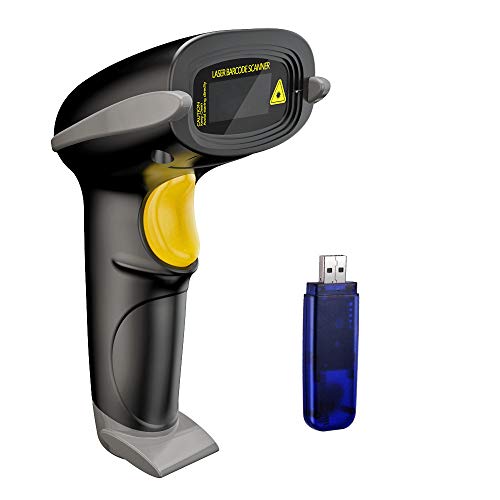
- Long wireless range for flexible store layouts
- Large battery for extended daily use
- Stores barcodes offline for later upload
Best For: Retail stores that need a cordless 1D scanner for counters, stockrooms, and inventory runs.
Best for Simple USB Setup
WoneNice USB Laser Barcode Scanner

- Plug-and-play USB connection
- Reads common retail 1D barcode formats
- Fast 200 scans per second
Best For: Small retail counters and inventory stations that need a simple wired scanner.
Best for Battery Life
Tera D5300 Wireless Handheld Scanner

- 12-hour cordless runtime with a 2200mAh battery
- Bluetooth, 2.4G wireless, and USB wired connectivity
- Reads 1D, 2D, and QR codes for retail inventory
Best For: Retail teams that need long battery life and flexible connection modes for daily scanning.
Best for Comfort

- Reads printed labels and phone screens
- Three scan modes for flexible checkout use
- Durable wired design with easy USB setup
Best For: Retail counters and small operations that need an easy USB scanner for 1D labels and screen codes.
Best with Extra Features
Tera 9700 Hands-Free Omnidirectional Scanner

- Hands-free desktop scanning for faster checkout
- 360° omnidirectional reading reduces angle fuss
- USB plug-and-play setup with wide OS support
Best For: Cashiers and retail counters that need fast, hands-free 1D/2D/QR scanning.
Best for Easy Hands-Free Scanning
USB Wired 2D QR Barcode Scanner with Stand

- Plug-and-play USB setup
- Reads 1D, 2D, QR, and screen codes
- Adjustable stand for hands-free use
Best For: Retail counters and inventory stations that need an easy wired scanner with auto-sensing mode.
Best for Mixed Paper-and-Screen Scanning
NetumScan Handheld USB 1D Scanner
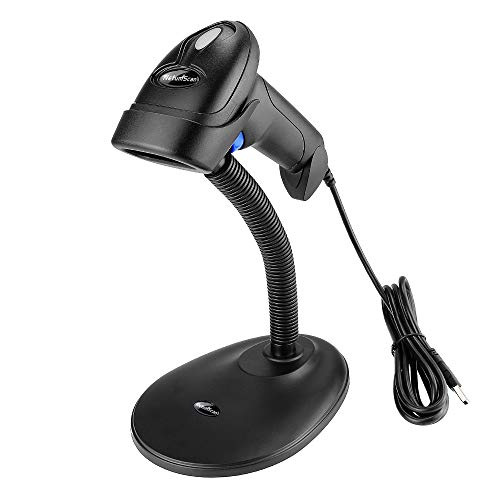
- Reads printed and on-screen 1D barcodes
- USB plug-and-play with included stand
- Good fit for POS, inventory, and checkout
Best For: Retail shops that need a simple wired scanner for both labels and screen-based barcodes.
Best for Hands-Free Checkout – NetumScan Automatic Desktop Barcode Scanner
If you want a simple, always-ready option for barcode scanners for retail stores, this NetumScan desktop unit is built for fast hands-free checkout. It reads 1D, 2D, and QR codes from paper labels and phone screens, making it useful for stores that scan a mix of products and digital tickets.
Best For: Countertop retail and POS setups that need quick, automatic scanning without picking up a handheld device.
Pros:
- Automatic omnidirectional scanning speeds up checkout and reduces manual aiming.
- Reads damaged, reflective, colorful, and phone-screen barcodes well.
- Plug-and-play USB setup keeps installation simple for most retail counters.
- Hands-free design helps staff move faster during busy shifts.
Cons:
- Not compatible with Square, Clover, or Shopify.
- Desktop form factor is less portable than a handheld scanner.
- Best suited to fixed checkout stations rather than mobile use.
For retailers that value speed and simplicity, this is a practical fit among barcode scanners for retail stores, especially when you want reliable countertop scanning without extra training or setup complexity.
Best for Multi-Device Retail Use – NETUM Bluetooth Barcode Scanner
If you need one scanner that can move between checkout stations, tablets, and mobile devices, the NETUM NT-1228BC is a flexible option for barcode scanners for retail stores. It supports Bluetooth, 2.4G wireless, and wired connection modes, plus broad compatibility with Windows, Mac, Android, iOS, and Linux.
Best For: Small retailers, pop-up counters, and teams that want a versatile scanner that can handle both countertop and mobile workflows.
Pros:
- Works with a wide range of devices and operating systems
- Reads 1D barcodes from paper, screens, and even through shrink wrap or glass
- Includes manual, continuous, auto-sensing, and offline storage modes
- Long battery life and programmable settings for retail workflows
Cons:
- Not compatible with some POS systems, including Square POS and Lightspeed POS
- Setup requires scanning the correct configuration barcodes from the manual
For retailers that value device flexibility over a fixed POS-only setup, this NETUM scanner covers a lot of ground. It’s a practical pick for barcode scanners for retail stores that need mobile scanning, offline capture, and broad compatibility in one unit.
Best for Long-Range Wireless Scanning – NADAMOO Wireless 1D Laser Scanner
If you need barcode scanners for retail stores that can cover more floor space without a cable getting in the way, this NADAMOO cordless model is built for that job. It offers strong wireless range, a long-lasting battery, and a simple USB receiver setup that works well for everyday checkout, backroom, and inventory tasks.
Best For: Retail teams that want a wireless 1D scanner for counter work, stockroom scanning, or occasional away-from-desk use.
Pros:
- Up to 400m open-air range and 100m indoor transmission
- 2600mAh battery supports long shifts and heavy daily scanning
- Offline storage mode holds up to 100,000 barcodes
- One-to-one or multiple-scanner pairing for flexible setups
Cons:
- 1D laser only, so it won’t scan 2D QR codes
- USB receiver design is less ideal for mobile tablets without adapters
- Automatic mode may be more than some small shops need
For barcode scanners for retail stores, this is a practical pick if wireless freedom and offline capture matter more than advanced imaging features. It suits busy counters and inventory workflows where a dependable, low-maintenance scanner can save time.
Best for Simple USB Setup – WoneNice USB Laser Barcode Scanner
WoneNice USB Laser Barcode Scanner Wired Handheld Bar Code Scanner Reader Black
Check Price On AmazonIf you want a straightforward, wired option for barcode scanners for retail stores, the WoneNice USB Laser Barcode Scanner is built around fast plug-and-play use. Just connect it to a USB port and start scanning in common programs like Word, Excel, and standard POS or inventory workflows.
Best For: Small retail counters, stock rooms, and businesses that need an affordable handheld scanner with minimal setup.
Pros:
- Plug-and-play USB connection keeps installation simple
- Supports a wide range of barcode types, including UPC, EAN, Code 128, and ISBN
- Fast 200 scans per second helps speed up checkout and inventory tasks
- Compatible with Windows, Mac, and Linux systems
Cons:
- Wired design limits mobility compared with cordless scanners
- Laser-style 1D scanning is less versatile than 2D imager models
- No advanced retail features like cradle charging or Bluetooth pairing
For budget-conscious buyers comparing barcode scanners for retail stores, this model stands out for easy setup, broad software compatibility, and dependable everyday scanning rather than advanced bells and whistles.
Best for Screen Scanning – USB 1D CCD Barcode Scanner
If you need a simple wired option among barcode scanners for retail stores, this USB 1D CCD model is a practical pick for everyday checkout, inventory, and shelf-label scanning. It’s built for plug-and-play use, works with screens and paper labels, and supports a wide range of common 1D barcodes.
Best For: Retail teams, small shops, pharmacies, and warehouses that want an easy USB scanner for basic 1D barcode work, including screen-based scans.
Pros:
- Plug-and-play USB setup keeps installation simple
- CCD sensor reads from paper and digital screens
- Supports many common 1D formats, including EAN and UPC
- Ergonomic build is made for daily handheld use
Cons:
- Wired design limits mobility at the counter
- 1D-only support won’t suit 2D/QR code workflows
- 20 cm max read distance is best for close-range scanning
For barcode scanners for retail stores, this model stands out for straightforward compatibility and reliable screen scanning at a budget-friendly, no-fuss level. It’s a solid fit when you want a basic scanner that covers the essentials without adding setup complexity.
Best for Battery Life – Tera D5300 Wireless Handheld Scanner
If you need barcode scanners for retail stores that can stay on the floor through long shifts, the Tera D5300 is built around endurance and flexibility. Its 2200mAh battery, 12-hour runtime, and triple connectivity make it a practical choice for busy checkout lanes, stockroom work, and mobile inventory tasks.
Best For: Retail teams that want a cordless scanner with strong battery life and multiple connection options for mixed devices.
Pros:
- 2200mAh battery supports up to 12 hours of continuous scanning and quick 3.5-hour recharging.
- Works in Bluetooth, 2.4G wireless, and USB wired modes for flexible store setups.
- Reads common 1D, 2D, and QR codes for retail inventory and point-of-sale use.
- Global shutter engine helps capture barcodes quickly from different angles and in varied lighting.
Cons:
- More connection features can mean a slightly less simple setup than a basic plug-and-play scanner.
- Bulky battery-driven design may be more than some low-volume counters need.
For stores that want dependable uptime rather than the cheapest option, this model hits a useful middle ground. Among barcode scanners for retail stores, it stands out most for cordless flexibility and all-day readiness.
Best for Comfort – NetumScan USB 1D CCD Scanner
If you need barcode scanners for retail stores that can read both printed labels and phone screens, this NetumScan USB 1D model is a practical wired option. It’s built for everyday POS work, inventory checks, and simple plug-and-play use with a 1.8m USB cable.
Best For: Retail counters, libraries, and small warehouses that want a dependable 1D scanner with screen-reading support and no setup headaches.
Pros:
- Reads 1D barcodes from paper and screens, including UPC/EAN and Code 128.
- Three scanning modes: trigger, auto-induction, and continuous scanning.
- Durable build with anti-shock design for repeated drops.
- Plug-and-play USB connection keeps deployment simple.
Cons:
- Only supports 1D barcodes, not 2D QR codes.
- Wired design limits mobility at the counter.
- Auto-sensing may need occasional reactivation, according to the listing.
For barcode scanners for retail stores, this is a straightforward value pick if screen scanning matters more than advanced 2D features. It’s especially appealing for shops that want accurate 1D reading, a durable shell, and easy USB setup without extra software.
Best with Extra Features – Tera 9700 Hands-Free Omnidirectional Scanner
If you want a desktop option that speeds up checkout without requiring staff to pick up the scanner, this Tera model is a practical choice for barcode scanners for retail stores. Its hands-free design, 360° omnidirectional reading, and plug-and-play USB setup make it a straightforward fit for busy counters.
Best For: Cashiers, supermarkets, and retail counters that need fast hands-free scanning for 1D, 2D, and QR codes.
Pros:
- Hands-free desktop design keeps both hands available for items and payment handling
- Omnidirectional 360° scanning helps reduce misreads and angle adjustments
- Plug-and-play USB connection works with common Windows, Mac, and Linux systems
- Reads printed and screen-displayed 1D, 2D, and QR barcodes
Cons:
- Not as portable as handheld scanners for mobile use
- Works best in fixed checkout or desktop setups
- May be more scanner than needed for very low-volume retail
For stores that want a fixed, low-friction scanning station, this model covers the basics well and can help speed up everyday checkout. Among barcode scanners for retail stores, it stands out for simple setup and true hands-free convenience.
Best for Easy Hands-Free Scanning – USB Wired 2D QR Barcode Scanner with Stand
If you want a simple plug-and-play option for barcode scanners for retail stores, this USB wired model is built for fast setup and flexible day-to-day scanning. The included adjustable stand and auto-sensing mode make it a practical fit for checkout counters, inventory desks, and mixed-label environments where you need both handheld and hands-free use.
Best For: Retail teams, small businesses, and inventory workflows that need an affordable wired scanner with automatic scanning and broad code support.
Pros:
- Plug-and-play USB setup with support for Windows, Mac, Linux, and Android
- Reads 1D, 2D, QR, and screen-based codes with a CMOS sensor
- Adjustable stand enables hands-free auto-sensing scanning
- Multiple scan modes help match checkout, shelf, and inventory tasks
Cons:
- Wired design limits mobility compared with cordless scanners
- Not compatible with Square system
For barcode scanners for retail stores, this is a straightforward value pick if you prioritize easy setup, hands-free convenience, and compatibility across common POS and computer systems. It is especially useful when you need reliable scanning for labels, paper tags, and phone screens without adding much complexity.
Best for Mixed Paper-and-Screen Scanning – NetumScan Handheld USB 1D Scanner
If you need one of the more versatile barcode scanners for retail stores, this NetumScan handheld USB model stands out for reading both printed labels and on-screen 1D codes. It’s a simple plug-and-play choice for everyday POS use, inventory checks, and general checkout workflows.
Best For: Small retail counters, convenience stores, and shops that need dependable wired scanning for paper and screen barcodes.
Pros:
- CCD sensor reads many 1D codes from both paper and screens
- Handles worn, smudged, reflective, and damaged barcodes better than basic laser models
- USB plug-and-play setup works with common POS and office software
- Includes a stand for hands-free use at checkout
Cons:
- Only supports 1D barcodes, not 2D codes like QR
- Wired design limits mobility compared with wireless scanners
- Listing includes marketplace seller confusion, so verify the seller is NetumScan
This is a practical option if your store mainly scans standard product barcodes and wants quick setup without extra software or charging concerns. For barcode scanners for retail stores, it’s a solid value pick when reliability and easy operation matter more than advanced 2D support.
How We Picked These Barcode Scanners for Retail Stores
We focused on models that fit real retail workflows, including checkout lanes, shelf labeling, receiving, and inventory counting. Priority went to scanners with reliable support for common 1D and 2D codes, easy setup with POS systems, and connection types that suit different store layouts.
We also considered scan style, since some stores benefit from hands-free desktop units while others need a cordless handheld model for flexibility. Battery life, screen scanning, and compatibility with computers and POS terminals were also weighed heavily.
Quick Comparison: Which Scanner Type Fits Your Store?
For high-volume checkout counters, desktop omnidirectional scanners can keep transactions moving with minimal aiming. For small shops or mobile retail setups, wireless handheld scanners offer more freedom and help cover larger areas. Wired handheld scanners are often the simplest low-maintenance choice for straightforward register stations.
If you sell products with QR codes, loyalty codes, or labels shown on phones, a 2D-capable scanner is the safer long-term choice. If you only need standard UPC scanning, a basic 1D model may be enough and can save money.
Key Buying Factors for Barcode Scanners for Retail Stores
Scan Symbology Support
Make sure the scanner reads the codes you use most. Many Barcode Scanners for Retail Stores need 1D UPC/EAN support, but 2D QR and Data Matrix support is increasingly useful for modern checkout and digital coupons.
Connection and Compatibility
USB wired scanners are usually plug-and-play and dependable for fixed registers. Bluetooth and 2.4G wireless models are better when you need to move between aisles, stockrooms, or multiple counters. Confirm compatibility with your POS software, Windows or Mac systems, and any tablet-based checkout hardware.
Ergonomics and Workflow
Consider whether your staff will scan all day or only occasionally. Hands-free desktop scanners reduce repetitive motion at busy counters, while handheld units give better control for awkward labels, damaged barcodes, or items too large for a fixed scanner.
Speed, Range, and Battery Life
If you choose a cordless model, battery capacity and transmission range matter. Stores with larger floors or backroom scanning should look for stable wireless performance and enough runtime to last a full shift.
Who Should Buy Which Barcode Scanners for Retail Stores?
Choose a desktop omnidirectional scanner if you run a busy register and want the fastest hands-free checkout. Pick a wireless handheld scanner if your team scans inventory in multiple areas or needs flexibility away from the counter.
If you want the easiest setup and lowest maintenance, a wired USB scanner is the most practical option. For mixed retail environments, a 2D-capable scanner offers the best future-proofing and handles both traditional labels and modern digital codes with ease.