
Finding the right headphone amplifier with optical input can simplify a desktop, gaming, or TV audio setup while improving compatibility with modern digital sources. The models in this roundup range from compact DAC headphone amps to versatile stereo receivers with optical connectivity.
Use the buying guide below to compare input options, headphone performance, output power, controls, and the features that matter most for your listening setup.
Best 10 Headphone Amplifiers with Optical Input Picks for 2026
Best Budget DAC

- Optical, USB, and coaxial inputs
- Bass and treble controls
- Supports headphones from 16Ω to 200Ω
Best For: Entry-level desktop and TV audio setups
Best Compact Hi-Res Option

- Optical, coaxial, and USB inputs
- 24-bit/192kHz support via optical/coaxial
- 160mW RMS output at 32Ω
Best For: Compact PC, TV, and gaming audio systems
Best Speaker System Versatility
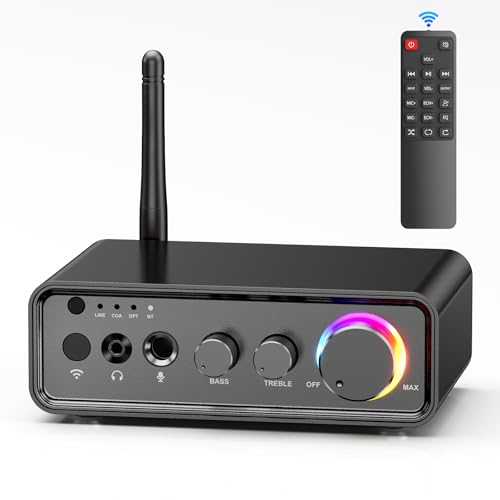
- Optical and coaxial inputs
- 3.5mm headphone and 6.5mm mic outputs
- Up to 100W × 2 for compatible speakers
Best For: Home audio systems combining headphones and passive speakers
Best for Gaming and High-Power Headphones
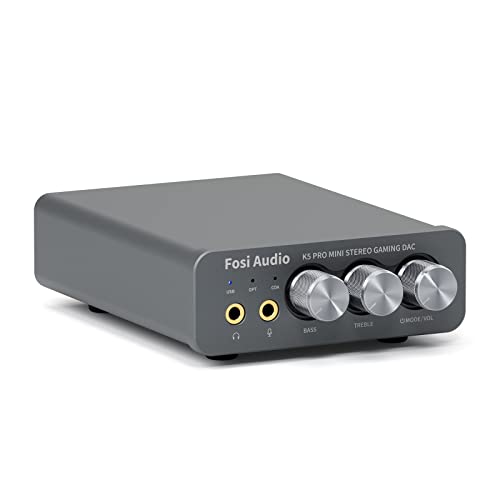
- Optical, coaxial, and USB-C inputs
- Drives headphones from 16Ω to 300Ω
- Includes mic input and gaming-friendly controls
Best For: Gaming setups with demanding headphones and voice chat
Versatile Home Theater Receiver
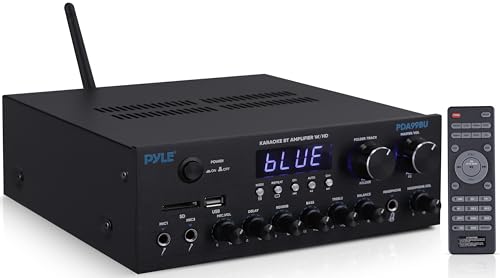
- Optical and coaxial digital inputs
- Independent headphone volume control
- HDMI, Bluetooth, USB, SD, and FM connectivity
Best For: Home entertainment systems needing headphone and speaker support
High-Resolution Desktop DAC
Douk Audio K5 Optical Headphone Amp

- USB and optical inputs with DAC functionality
- Up to PCM 32-bit/384kHz and DSD256
- High/low gain for 16Ω–600Ω headphones
Best For: Desktop hi-fi headphone systems with digital sources
Tube-Style Integrated Amp
Fosi Audio MC331 DAC Headphone Amp
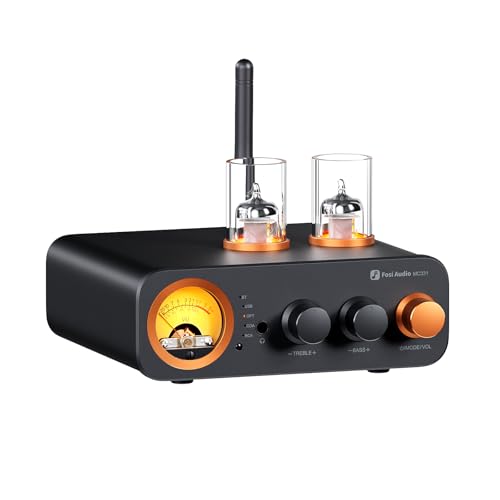
- Optical, USB, coaxial, RCA, and Bluetooth inputs
- Integrated DAC, speaker amp, preamp, and headphone amp
- 105W x2 speaker output with remote control
Best For: Compact stereo systems with speaker and headphone listening
Compact DAC Pick
Nobsound Q3 Mini USB DAC Headphone Amp

- Optical, coaxial, and USB inputs
- 3.5mm headphone and RCA outputs
- Treble, bass, and volume controls
Best For: Desktop listeners needing a compact optical DAC and headphone amp
Versatile Stereo Choice
Romica BT-398A Optical Audio Amplifier

- Optical, coaxial, RCA, AUX, and Bluetooth inputs
- Supports passive speakers and active subwoofers
- FM tuner, remote, and tone controls
Best For: Small-room speaker systems and home theaters with varied sources
Feature-Rich Home Audio Pick
Romica AK55 Optical Stereo Amplifier

- Optical, coaxial, Bluetooth, USB, and SD inputs
- Microphone, echo, FM, and tone controls
- Supports passive speakers and active subwoofers
Best For: Karaoke and compact home stereo systems needing broad connectivity
Best Budget DAC – Fosi Audio Q4
The Fosi Audio Q4 is a compact choice for shoppers seeking headphone amplifiers with optical input for a desktop, TV, or stereo setup. It also accepts USB and coaxial sources, drives headphones rated from 16Ω to 200Ω, and provides both 3.5mm and RCA outputs.
Best For: Entry-level desktop listening, TV audio, powered speakers, and users who want simple tone controls.
Pros:
- Optical, USB, and coaxial digital inputs
- Bass and treble controls with smooth volume adjustment
- Supports up to 24-bit/192kHz audio
- Compact metal housing and included optical cable
Cons:
- No microphone input
- Designed for headphones up to 200Ω
The Q4 is a practical, plug-and-play DAC amp for everyday listening. Its straightforward connections and small footprint make it especially suitable when you need optical compatibility without a complicated system.
Best Compact Hi-Res Option – AIYIMA DAC-A2
The AIYIMA DAC-A2 is a compact option among headphone amplifiers with optical input, converting optical, coaxial, or USB audio to RCA or 3.5mm analog output. Its plug-and-play design, tone controls, and 160mW RMS output at 32Ω suit desktop, gaming, and home-audio use.
Best For: PC, Mac, TV, and gaming setups that need a small DAC amp with flexible digital inputs.
Pros:
- Optical, coaxial, and USB input support
- Drives headphones from 16Ω to 200Ω
- 24-bit/192kHz support through optical and coaxial inputs
- Aluminum-alloy chassis with bass and treble controls
Cons:
- Requires a compatible 5V power source
- Outputs are analog RCA and 3.5mm rather than speaker terminals
The DAC-A2 offers a useful balance of connectivity and desktop convenience. It is a sensible pick if you want optical input, adjustable tone, and a compact enclosure without adding a full-size amplifier.
Best Speaker System Versatility – MOREGAX M19 BT
The MOREGAX M19 BT is primarily a two-channel speaker amplifier, but its optical and coaxial inputs make it relevant for shoppers comparing headphone amplifiers with optical input. It adds Bluetooth 5.3, RCA, a 3.5mm headphone output, a microphone input, and up to 100W per channel for compatible passive speakers.
Best For: Home audio users who want optical connectivity plus speaker amplification, Bluetooth, and remote control.
Pros:
- Optical, coaxial, RCA, and Bluetooth 5.3 connectivity
- Includes a 3.5mm headphone output and 6.5mm microphone input
- Up to 100W × 2 output under the listed conditions
- Bass and treble controls with included remote
Cons:
- More speaker-focused than headphone-focused
- Active and passive speakers cannot play simultaneously
- Higher 4Ω power requires a 24V/10A adapter, while the package includes 24V/5A
The M19 BT makes the most sense when headphone listening is only part of a broader system. Its optical input and headphone jack add flexibility, while the main design priority is powering passive speakers.
Best for Gaming and High-Power Headphones – Fosi Audio K5 Pro
The Fosi Audio K5 Pro is a gaming-focused choice among headphone amplifiers with optical input. It accepts USB-C, optical, and coaxial sources, adds microphone connectivity and bass/treble controls, and provides enough listed output to support headphones from 16Ω to 300Ω.
Best For: PS5, PC, Mac, and desktop gaming setups needing microphone support and stronger headphone-drive capability.
Pros:
- Optical, coaxial, and USB-C input options
- Supports headphones from 16Ω to 300Ω
- Up to 1000mW at 16Ω, with 80mW listed at 300Ω
- Includes microphone input, tone controls, and headphone splitter
Cons:
- USB-C audio supports up to 24-bit/96kHz, below optical/coaxial support
- Its gaming-oriented controls may be unnecessary for simple music listening
The K5 Pro is the strongest fit here for users who need both headphone amplification and communication features. Its broad headphone range, optical input, and mic connection make it more versatile for gaming than a basic DAC amp.
Versatile Home Theater Receiver – Pyle PDA99BU Amplifier
The Pyle PDA99BU is a multi-channel receiver for shoppers who want headphone amplifiers with optical input alongside speaker, HDMI, Bluetooth, USB, SD, and microphone connectivity. Its dedicated front headphone output includes independent volume control, while 24-bit optical and coaxial decoding supports compatible digital sources.
Best For: Home entertainment setups that need headphone listening, speaker output, and varied source connections in one compact receiver.
Pros:
- Optical and coaxial inputs with 24-bit digital decoding.
- Dedicated headphone output with independent volume control.
- Broad connectivity, including dual HDMI inputs, Bluetooth, USB, SD, AUX, RCA, and FM radio.
- Compact metal chassis with a claimed 300W peak power rating.
Cons:
- Its multi-channel receiver design may be more equipment than needed for headphone-only listening.
- The supplied specifications list multiple power figures, so buyers should review the detailed rating information.
The PDA99BU stands out as a flexible all-in-one receiver rather than a dedicated audiophile headphone amp. Choose it when optical input is important but you also want HDMI, karaoke microphone inputs, Bluetooth, and conventional speaker support.
High-Resolution Desktop DAC – Douk Audio K5 Optical Headphone Amp
The Douk Audio K5 is a focused choice among headphone amplifiers with optical input, combining a USB DAC, headphone amplifier, preamp, and USB-to-optical converter. It provides optical, RCA, and dual 6.35/3.5mm headphone outputs, plus high-resolution PCM and DSD support for desktop listening systems.
Best For: Desktop listeners who want optical connectivity, flexible DAC functions, and enough output power for headphones from 16Ω to 600Ω.
Pros:
- Includes USB and SPDIF optical inputs, with an optical output for digital-device integration.
- Supports PCM up to 32-bit/384kHz and DSD256 playback.
- Dual headphone outputs and high/low gain modes support a broad impedance range.
- Offers bass and treble controls, a tone bypass mode, and a compact aluminum body.
Cons:
- It is designed primarily for desktop or standalone audio systems rather than speaker amplification.
- The feature set may be more involved than necessary for users seeking a simple optical headphone connection.
With its optical input, strong headphone output specification, gain switching, and detailed DAC architecture, the K5 is the most headphone-focused option here. It is particularly suitable for a computer-based setup that may also need optical conversion or preamp functionality.
Tube-Style Integrated Amp – Fosi Audio MC331 DAC Headphone Amp
The Fosi Audio MC331 combines a DAC, integrated speaker amplifier, preamplifier, and headphone amplifier in a compact tube-style chassis. For shoppers comparing headphone amplifiers with optical input, it offers optical, USB, coaxial, Bluetooth, and RCA sources, plus a 3.5mm headphone output and remote control.
Best For: Listeners building a compact stereo system who want optical input, bookshelf-speaker power, and a 3.5mm headphone output with a vintage-inspired presentation.
Pros:
- Supports optical, USB, coaxial, RCA, and Bluetooth sources.
- Combines DAC, preamp, speaker amplifier, and headphone amplifier functions.
- Delivers a listed maximum output of 105W x2 at 4Ω for bookshelf speakers.
- Includes a remote, bass and treble adjustment, replaceable tubes, and a VU meter.
Cons:
- Its headphone output is a 3.5mm connection, which may require an adapter for 6.35mm headphones.
- The integrated speaker-amplifier features may be unnecessary for headphone-only users.
The MC331 is a strong fit when headphone listening is only part of a broader stereo setup. Its optical input and multiple source options add flexibility, while the tube design, VU meter, and replaceable tubes give it a distinctive alternative to minimalist desktop headphone amps.
Compact DAC Pick – Nobsound Q3 Mini USB DAC Headphone Amp
For shoppers seeking headphone amplifiers with optical input, the Nobsound Q3 combines optical, coaxial, and USB DAC connectivity with a dedicated headphone output. Its treble, bass, and volume controls make it a practical choice for tailoring sound from a desktop, TV, or other digital source.
Best For: Desktop listeners and home stereo users who need a compact optical-input DAC and headphone amp.
Pros:
- Supports PC-USB, optical, and coaxial digital inputs.
- Offers RCA and 3.5mm headphone outputs with shared volume control.
- Includes treble and bass controls for sound customization.
- Supports audio up to 24-bit/96 kHz through PC-USB.
Cons:
- Its 5V-powered mini design is intended for desktop and home use rather than high-power speaker driving.
- The feature set is focused on stereo DAC and headphone use, not wireless streaming.
The Q3 is the most headphone-focused option in this roundup. Choose it when optical connectivity, compact size, and tone controls matter more than speaker amplification or Bluetooth.
Versatile Stereo Choice – Romica BT-398A Optical Audio Amplifier
The Romica BT-398A is a broader home audio receiver for shoppers considering headphone amplifiers with optical input but also needing speaker power. It accepts optical, coaxial, RCA, AUX, USB, Bluetooth, and microphone connections, with support for passive speakers and an active subwoofer.
Best For: Small-room home theaters, TV systems, karaoke setups, and stereo speaker systems requiring flexible inputs.
Pros:
- Includes optical and coaxial inputs alongside Bluetooth, RCA, AUX, USB, and microphone connections.
- Supports 4-16 inch passive speakers and active subwoofers.
- Provides bass, treble, and volume controls plus a remote.
- Includes an FM tuner for additional listening options.
Cons:
- This is primarily a speaker amplifier, not a dedicated headphone amplifier.
- The listed 450W+450W figure is peak power; rated output is 60W+60W.
- Bluetooth range is specified at up to 30 feet without walls.
The BT-398A makes sense when optical input is only one part of a flexible home audio setup. It offers more speaker-oriented functionality than the Nobsound, but it is less specialized for headphone listening.
Feature-Rich Home Audio Pick – Romica AK55 Optical Stereo Amplifier
The Romica AK55 suits buyers comparing headphone amplifiers with optical input who also want a compact amplifier for speakers and karaoke. Along with optical and coaxial inputs, it adds Bluetooth, AUX, USB, SD, microphone, FM, echo, and tone-control features.
Best For: Home karaoke, TV audio, and compact stereo systems that need microphone and media playback features.
Pros:
- Offers optical and coaxial inputs plus Bluetooth, AUX, USB, SD, and microphone connections.
- Supports 4-16 inch passive speakers and active subwoofers.
- Includes bass, treble, echo, FM radio, and a remote control.
- Uses a TPA3116 chip and lists 50W+50W rated power.
Cons:
- It is a speaker-focused stereo receiver rather than a dedicated headphone amp.
- The advertised 500W+500W output is peak power, while rated output is lower.
- Its many karaoke and media features may be unnecessary for simple headphone listening.
The AK55 is the broadest-featured option here for mixed home audio use. Select it for microphone, karaoke, and speaker flexibility; choose the Nobsound instead if your priority is a compact headphone-centered DAC.
How We Picked These Headphone Amplifiers with Optical Input
We selected products that accept optical digital audio and offer a practical way to connect headphones, powered speakers, passive speakers, or other home-audio equipment. The lineup includes compact desktop DACs, gaming-oriented headphone amps, tube-equipped integrated amplifiers, and full stereo receivers.
We also considered connectivity, advertised decoding support, output flexibility, ease of use, form factor, and whether each unit fits a clear use case. Because specifications and included accessories can vary, verify the current listing for supported formats, power ratings, headphone impedance compatibility, and required cables before buying.
Quick Comparison
| Best For | What to Prioritize | Recommended Product Type |
|---|---|---|
| Desktop headphones | Compact design, low noise, convenient controls | USB/optical DAC headphone amp |
| PC or console gaming | Optical input, headphone output, accessible volume control | Gaming DAC amp |
| Headphones and speakers | Multiple outputs and selectable input modes | Integrated amplifier with DAC |
| Whole-room audio | Speaker power, Bluetooth, RCA, and digital inputs | Stereo receiver |
Key Buying Factors for Headphone Amplifiers with Optical Input
Optical Compatibility and Digital Formats
Optical input is useful for TVs, game consoles, sound cards, and other devices with Toslink output. Check whether the amplifier supports the source’s output format, particularly PCM or stereo-only signals. Some devices advertise high-resolution decoding through USB but have different limits over optical.
Headphone Output and Power
Match the amplifier to your headphones. Efficient headphones usually need modest power, while high-impedance or low-sensitivity models may benefit from a stronger output stage. Look for a clear headphone impedance range and realistic power specifications rather than relying only on large wattage claims intended for speaker channels.
Outputs and System Flexibility
If you plan to use powered speakers, passive speakers, or an external amplifier, confirm which outputs are available and whether they can operate at the same time as the headphone jack. RCA, 3.5mm, USB, coaxial, and Bluetooth support can make the unit more useful as your system changes.
Controls, Size, and Everyday Usability
Front-panel volume, bass, and treble controls can be convenient at a desk, while remote control and Bluetooth are more useful in a living room. Check dimensions, power requirements, microphone support, and whether the unit includes an optical cable if you need a complete setup immediately.
Who Should Buy Which Headphone Amplifiers with Optical Input?
Choose a compact DAC headphone amplifier if you mainly listen at a computer and want a straightforward optical or USB connection. A gaming DAC amp is a better fit when quick access to volume and headphone controls matters during play. If you need to drive speakers as well as headphones, consider an integrated amplifier with speaker outputs and a built-in DAC.
For a larger home-audio system, a stereo receiver with optical, Bluetooth, RCA, and USB connectivity offers broader source support and more speaker power, though it may take up more space than a dedicated headphone amp. Before ordering, confirm the exact input, output, and headphone requirements of every device you plan to connect.