
Choosing the right laptop in 2026 is mostly about matching performance, battery life, display size, and storage to how you actually work or study.
This roundup highlights 10 well-rounded laptops for everyday use, productivity, and school so you can narrow the field fast and buy with confidence.
Best 10 Laptops Picks for 2026
Premium AI College Laptop

- M5 chip with 16GB unified memory
- Up to 18 hours of battery life
- 13.6-inch Liquid Retina display
Best For: Students and mobile users who want a lightweight Mac with strong battery life
Budget Everyday Workhorse
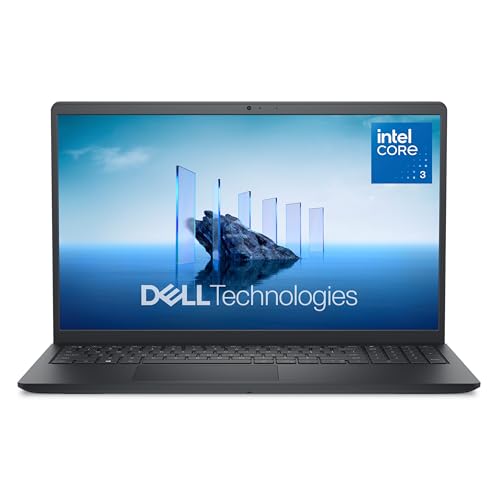
- Intel Core 3 and 8GB RAM
- 512GB SSD for everyday storage
- 15.6-inch Full HD display with ComfortView
Best For: Students and home users who want a simple Windows laptop for daily tasks
Value Student Laptop
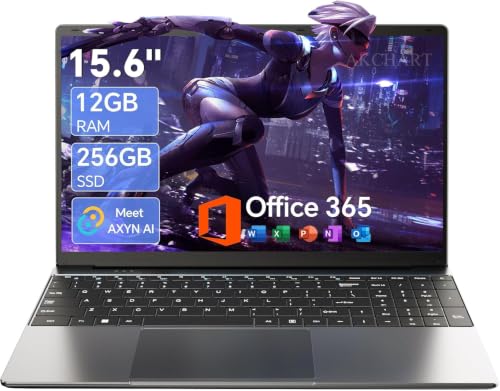
- 15.6-inch FHD IPS screen
- 12GB RAM with 256GB SSD
- Includes Office 365 and AI features
Best For: Students and casual users who want a budget-friendly Windows laptop
Compact Student Performer
Lenovo Essential 15.6-inch FHD

- Intel N150 with 8GB LPDDR5
- Lightweight 3.42 lb design
- 15.6-inch anti-glare FHD display
Best For: Students and everyday users who want a lightweight Windows laptop
Big-Screen Everyday Laptop
HP OmniBook 3 17.3" FHD Ryzen 3
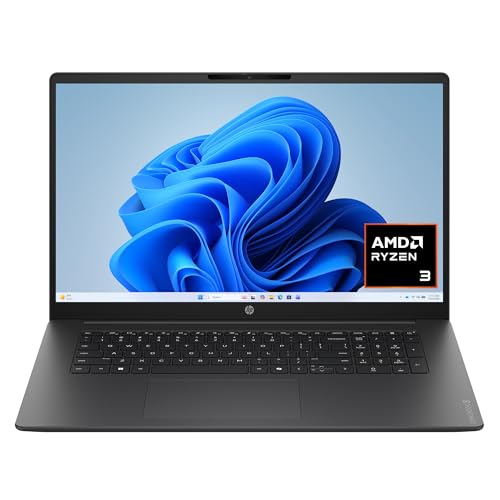
- 17.3-inch FHD IPS display
- 512 GB SSD and 8 GB LPDDR5 RAM
- Up to 14 hours 15 minutes battery life
Best For: home users who want a roomy screen for everyday tasks
Budget Productivity Bundle

- Windows 11 Pro with Intel N150 processor
- 4 GB LPDDR5 RAM and 628 GB total storage package
- Includes Office and a 6-in-1 accessory bundle
Best For: students and small-office buyers who want a compact, value-packed laptop
Portable Student Workhorse

- 14.1-inch Full HD anti-glare display
- 8 GB RAM and 256 GB SSD
- Lightweight design with numeric keypad
Best For: students and office users who need a portable laptop for routine tasks
Portable Everyday Pick
HP 14-inch Budget Windows Laptop

- Slim 0.71-inch, 3.24 lb build
- 1080p display with anti-glare coating
- USB-C, USB-A, HDMI, and Wi-Fi connectivity
Best For: Light daily work, school, and portable use
Big-Screen Workhorse
HP 17.3-inch Ryzen 5 Business Laptop

- 17.3-inch anti-glare display for multitasking
- 16GB RAM and 512GB SSD for productivity
- Full-size keyboard with numeric keypad
Best For: Work, study, and comfortable desktop-style use
Balanced Productivity Pick

- 16GB RAM and 512GB SSD for multitasking
- 15.6-inch FHD IPS anti-glare display
- Windows 11 Pro plus Office 365 included
Best For: Productivity, schoolwork, and everyday home use
Premium AI College Laptop – Apple MacBook Air 13-inch M5
If you want a premium choice among laptops that balances portability, battery life, and fast everyday performance, this MacBook Air is built to stand out. The M5 chip, 16GB of unified memory, and 512GB SSD make it a strong fit for schoolwork, multitasking, and creative workflows, while the 13.6-inch Liquid Retina display keeps everything looking sharp.
Best For: Students and mobile users who want a lightweight Mac laptop with strong battery life and AI-ready performance.
Pros:
- M5 chip delivers fast CPU performance and smooth multitasking.
- Up to 18 hours of battery life helps it last through a full day.
- 13.6-inch Liquid Retina display supports 1 billion colors.
- 12MP Center Stage camera, three-mic array, and four-speaker sound system support video calls.
Cons:
- Premium configuration may be more than basic users need.
- Two Thunderbolt 4 ports may require dongles for some setups.
This is a compelling pick if you value speed, portability, and long battery life in a refined package. It is especially appealing for buyers who want a dependable everyday MacBook Air that can handle classes, calls, and productivity work with ease.
Budget Everyday Workhorse – Dell 15.6 FHD Laptop
This Dell 15.6-inch model is a straightforward option for everyday laptops use, with an Intel Core 3 processor, 8GB RAM, and a 512GB SSD aimed at basic productivity and casual entertainment. The Full HD display, ComfortView blue-light reduction, and full-size keyboard make it practical for long sessions at a desk or in a study space.
Best For: Students, home users, and budget shoppers who want a simple Windows laptop for daily tasks.
Pros:
- Intel Core 3 processor is built for everyday computing.
- 512GB SSD offers solid storage for files and apps.
- 15.6-inch FHD display with ComfortView helps reduce blue light.
- Roomy keypad and numeric keypad support typing and calculations.
Cons:
- 8GB RAM may feel limited for heavier multitasking.
- Integrated graphics keep it focused on basic use rather than demanding creative work.
Overall, this Dell is a practical pick if you need a no-frills machine for school, browsing, documents, and streaming. The included onsite service is a useful bonus for buyers who want added support with their laptops purchase.
Value Student Laptop – 15.6-inch AI Windows Notebook
Among affordable laptops, this 15.6-inch Windows notebook focuses on practical features rather than raw power. It combines a Full HD IPS display, 12GB of DDR4 memory, and a 256GB SSD, while the preinstalled Office 365 subscription and built-in AI tools make it appealing for school and everyday productivity.
Best For: Students and casual users who want a budget-friendly Windows laptop with a large screen and included productivity software.
Pros:
- 15.6-inch FHD IPS display offers wide viewing angles and crisp detail.
- 12GB RAM is generous for basic multitasking in this class.
- 7000mAh battery and 180-degree hinge add flexibility for long sessions.
- Includes Windows 11, Office 365, and AI productivity features.
Cons:
- Celeron J4105 processor is suited to light daily use, not heavy workloads.
- 256GB storage may be modest for users with large files or media libraries.
This model makes sense if you want a large display and a usable feature set without spending on a higher-end machine. It is best viewed as a dependable value option for study, web work, and light multitasking.
Compact Student Performer – Lenovo Essential 15.6-inch FHD
This Lenovo Essential is a sensible everyday option in the laptops category, built around an Intel N150 processor, 8GB of LPDDR5 memory, and 128GB UFS storage. It targets practical use cases like browsing, documents, streaming, and video calls, while adding a privacy shutter, Wi-Fi 6, and a lightweight design for easier portability.
Best For: Students and everyday users who want a lightweight Windows laptop for learning and routine tasks.
Pros:
- Intel N150 and 8GB LPDDR5 support smooth basic multitasking.
- 15.6-inch FHD anti-glare display with 250 nits brightness.
- Light 3.42 lb design and slim profile make it easy to carry.
- Privacy shutter, Wi-Fi 6, and multiple ports add convenience.
Cons:
- 128GB storage is limited for users with lots of files or apps.
- Entry-level processor is best for everyday tasks, not demanding workloads.
For buyers who prioritize portability, reliability, and basic productivity, this Lenovo checks the right boxes. It is a good fit if you want a practical laptop with modern wireless support and a manageable footprint for school or home use.
Big-Screen Everyday Laptop – HP OmniBook 3 17.3" FHD Ryzen 3
If you want a larger-screen laptop for everyday home use, the HP OmniBook 3 is built around a 17.3-inch FHD IPS display, a Ryzen 3 processor, and a 512 GB SSD. It aims to balance comfortable viewing, responsive multitasking, and practical battery life for browsing, streaming, video calls, and light productivity.
Best For: Home users, casual multitaskers, and buyers who prefer a roomy 17.3-inch display for daily computing.
Pros:
- 17.3-inch Full HD IPS display with wide viewing angles and anti-glare finish
- 512 GB PCIe NVMe SSD and 8 GB LPDDR5 RAM for quick everyday responsiveness
- Up to 14 hours and 15 minutes of battery life, plus HP Fast Charge support
- Wi-Fi 6, Bluetooth 5.4, and multiple USB-C/USB-A ports for flexible connectivity
Cons:
- Integrated Radeon 610M graphics are best suited to casual entertainment, not demanding gaming
- Ryzen 3 class performance is aimed at everyday tasks rather than heavy creative workloads
This is a sensible option among laptops if your priority is a large display and smooth day-to-day use over high-end performance. The webcam, noise reduction, and Copilot key add useful modern touches for remote work and school calls.
Budget Productivity Bundle – HP 14" Win 11 Pro N150
This HP 14-inch laptop is set up as a value-focused productivity machine with Windows 11 Pro, an Intel N150 processor, 4 GB LPDDR5 RAM, and bundled storage expansion. For laptops in the budget category, it emphasizes portability, basic school or office tasks, and an accessory package that helps you get started right away.
Best For: Students, home office users, and small-business buyers who want a compact Windows 11 Pro laptop with included extras.
Pros:
- Light 3.2-pound design makes it easy to carry to class or work
- Windows 11 Pro adds business-friendly security and management features
- Includes a 6-in-1 accessory bundle plus lifetime Microsoft Office
- Wi-Fi 6, HDMI, and a True Vision 720p camera for online meetings and classes
Cons:
- 4 GB RAM is modest for heavier multitasking
- HD resolution and 128 GB built-in storage are basic, despite the added external drive
- Best suited to everyday productivity rather than demanding workloads
As a starter laptop, this model focuses on practicality more than raw speed. The bundled accessories and preinstalled software improve value, but the hardware is still aimed at light computing first.
Portable Student Workhorse – Auusda 14.1" FHD N5095
The Auusda 14.1-inch laptop is built for practical everyday use, combining a Full HD anti-glare display, 8 GB RAM, and a 256 GB SSD in a lightweight clamshell design. Among laptops for school and business basics, it stands out for simple portability, a numeric keypad, and the sort of connectivity that supports documents, classes, and external displays.
Best For: Students and office users who need a lightweight 14-inch laptop for typing, study, and routine productivity.
Pros:
- 14.1-inch 1920 x 1080 anti-glare display for clear everyday viewing
- 8 GB RAM and 256 GB SSD for quicker boot times and responsive basic use
- Full-size keyboard with numeric keypad for data entry and long typing sessions
- HDMI, USB ports, Wi-Fi, and Bluetooth support practical connectivity
Cons:
- N5095 processor is designed for everyday tasks rather than high-performance work
- Integrated graphics limit it to light entertainment and productivity use
- Operating system is listed generically, so software specifics may be less clear
This is a straightforward study-and-work laptop that focuses on the essentials. It makes the most sense if you value a sharp 1080p screen, a roomy keyboard, and a portable footprint more than advanced performance.
Portable Everyday Pick – HP 14-inch Budget Windows Laptop
If you want a compact laptop for everyday tasks, this HP 14-inch model keeps the focus on portability and basic productivity. Its slim 0.71-inch profile, 3.24 lb weight, and Windows 11 setup make it easy to carry between home, office, and class.
Best For: Students, remote workers, and light business use where portability matters more than heavy performance.
Pros:
- Lightweight 14-inch design is easy to carry around.
- Includes USB-C, USB-A, HDMI, Wi-Fi, and a headphone/mic combo jack.
- 1080p display with anti-glare coating helps with everyday viewing.
- Came with Windows 11 and one year of Microsoft 365.
Cons:
- 4GB RAM is limited for multitasking.
- 128GB SSD is modest if you store lots of files locally.
- Best suited to basic use rather than demanding workloads.
This is a practical pick among laptops if you prioritize easy transport and simple day-to-day computing over speed and storage capacity.
Big-Screen Workhorse – HP 17.3-inch Ryzen 5 Business Laptop
This HP 17-inch laptop is built for users who want a roomy screen and solid everyday performance in a business-friendly package. The 17.3-inch Full HD anti-glare display, Ryzen 5 processor, 16GB RAM, and 512GB SSD give it a stronger all-around spec sheet for multitasking and long work sessions.
Best For: Business users, students, and home office shoppers who want a large display and comfortable typing setup.
Pros:
- Large 17.3-inch FHD anti-glare display is good for multitasking.
- 16GB RAM and 512GB SSD offer more headroom for everyday productivity.
- Full-size keyboard with numeric keypad supports data entry.
- Battery life is listed up to 12 hours, with HP Fast Charge support.
Cons:
- Lower native resolution is 1600 x 900 rather than full 1080p.
- At 17.3 inches, it is less compact than smaller laptops.
- Designed more for productivity than high-end graphics work.
If you want a larger-screen option in laptops, this one stands out for work comfort, memory, and storage without moving into premium territory.
Balanced Productivity Pick – 15.6-inch Core i5 Work Laptop
This 15.6-inch laptop is aimed at practical everyday productivity, with a stronger memory and storage setup than entry-level models. The Core i5 processor, 16GB RAM, 512GB SSD, and Windows 11 Pro with Office 365 make it ready for work, study, and general home use.
Best For: Users who want a well-rounded laptop for documents, browsing, meetings, and light entertainment.
Pros:
- 16GB RAM and 512GB SSD support smooth everyday multitasking.
- 15.6-inch FHD IPS display with anti-glare coating improves comfort.
- Backlit keyboard, Mini-HDMI, USB-A ports, Wi-Fi 5, and Bluetooth 5.0 add useful connectivity.
- Includes Windows 11 Pro and permanently activated Office 365.
Cons:
- The listed processor tops out at 3.2GHz, so it is not built for heavy workloads.
- Uses integrated graphics, so it is not aimed at gaming.
- Battery specs are solid for daily use, but not a standout feature.
Among laptops in this group, it looks like the most balanced option for users who want a ready-to-work setup with stronger core specs and business-friendly extras.
How We Picked the Best Laptops
We focused on practical specs that matter most to buyers: processor class, RAM, storage, screen size, operating system, and overall value. For Laptops, the goal is not just speed on paper, but a balanced setup that can handle browsing, documents, video calls, streaming, and light multitasking without feeling cramped.
Quick Comparison
Smaller 13- to 14-inch models are usually best for portability, while 15.6-inch and 17.3-inch systems are better if you want more screen space for split-screen work, spreadsheets, or media. Models with 8GB RAM are a safer everyday baseline, while 16GB is preferable for smoother multitasking and longer useful life. SSD storage is strongly preferred over slower drive types.
Key Buying Factors for Laptops
Performance
Entry-level chips can be fine for web, email, and office work, but look for a stronger CPU if you plan to keep many tabs open or use heavier productivity apps. If your routine is basic, a modest processor may be enough; if you want more headroom, choose a configuration with more RAM and a faster chip.
Display Size and Portability
Smaller displays are easier to carry, while larger screens improve comfort for long work sessions. If you travel often, prioritize a lighter 14-inch model. If the laptop will stay on a desk most of the time, a 15.6-inch or 17-inch option can be more comfortable.
Memory and Storage
RAM affects how smoothly Laptops handle multitasking. Storage determines how much software, files, and media you can keep locally. A 512GB SSD is a strong sweet spot for many buyers, while 128GB or 256GB may feel limited if you store lots of photos, downloads, or large projects.
Software and Features
Windows 11 remains the standard for broad compatibility, while included productivity software can be a bonus for students and small-business users. Features like a numeric keypad, better webcams, and AI-focused enhancements may also matter depending on your workflow.
Who Should Buy Which Laptops?
Students and frequent travelers should lean toward smaller, lighter Laptops with solid battery life and enough RAM for research and multitasking. Home and office users who want a larger workspace should consider 15.6-inch or 17.3-inch models. If you want the best long-term premium experience, choose a higher-end configuration with more memory, more storage, and a stronger processor.
In short, the best choice depends on whether you value portability, price, screen size, or performance most. Match the laptop to your daily workload, and you’ll get far more value than chasing specs you won’t use.