
Outdoor filming demands support that is steadier than handheld shooting without the bulk and setup time of a full tripod. The right monopod can help smooth movement, improve framing, and make long shooting days easier.
This roundup compares 10 camera monopods for outdoor filming, including compact aluminum models, lighter carbon-fiber designs, and footed monopods built for video work. Consider load capacity, base design, height, portability, and the type of terrain you expect to encounter before choosing.
Best 10 Camera Monopods for Outdoor Filming Picks for 2026
Versatile Support

- Converts from tripod to monopod
- 71-inch height with 360° ball head
- Supports up to 33 pounds vertically
Best For: Outdoor creators needing tripod and monopod flexibility
Lightweight Value
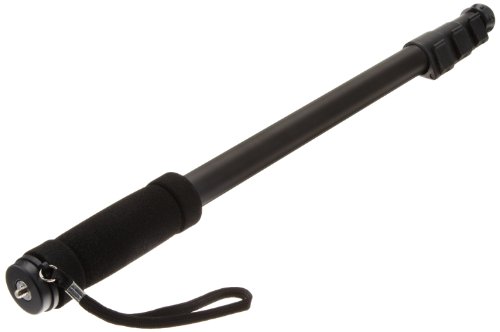
- Weighs less than 1 pound
- Extends to 67 inches
- Includes rubber foot, spikes, and carry bag
Best For: Affordable support for lightweight outdoor camera kits
Carbon Fiber Reach
SmallRig 65.6-Inch Ball Head Monopod

- One-touch height adjustment
- Supports up to 33 pounds on the legs
- Folds to 26.8 inches with a built-in bubble level
Best For: Fast-moving outdoor shoots with heavier camera setups
Trail-Friendly Pick

- Weighs approximately 0.83 pounds
- Folds to 16.9 inches for travel
- Also works as a hiking or trekking pole
Best For: Lightweight travel, hiking, and wildlife photography
Best Lightweight Pick

- 0.59-pound aluminum design
- Collapses to 16.75 inches
- Rubber foot and retractable spike
Best For: Hiking, travel, and lightweight outdoor camera setups
Best Stable Floor Stand
IFOOTAGE A300 Round Base Monopod

- 22-pound payload capacity
- Weighted 11.8-inch round base
- 24- to 60-inch height range
Best For: Interviews, streaming, and stable location or studio setups
Best Hybrid Setup
NEEWER Basics TP15 Tripod Monopod

- Converts from tripod to monopod
- 71-inch tripod and up to 74.4-inch monopod height
- Includes 360-degree ball head and phone holder
Best For: Traveling content creators using cameras and smartphones
Best with Extra Features

- Supports cameras up to 17.6 pounds
- Folds to 17.3 inches and weighs 0.88 pounds
- Includes rubber and steel spike feet
Best For: Traveling outdoor creators and vloggers
Best Adjustable Value

- Extends from 21 to 67 inches
- Supports up to 15.5 pounds
- Includes detachable base and two foot types
Best For: Flexible outdoor camera setups and travel filming
Best for Video Heads

- 73.2-inch reach with a 22-pound load rating
- Q6 fluid head enables panoramic and tilted shots
- Converts among monopod, stand, and low-angle tripod
Best For: Heavier video rigs and controlled outdoor movement
Versatile Support – SmallRig CT-10 Tripod Monopod
For outdoor filming, the SmallRig CT-10 is a flexible choice among camera monopods for outdoor filming because it converts from a full tripod to a monopod. Its 16- to 71-inch height range, 360-degree ball head, and 33-pound vertical load rating suit cameras, phones, and other compatible gear.
Best For: Outdoor creators who want one support system that can switch between tripod and monopod modes.
Pros:
- Converts between a tripod and monopod for varied shooting setups.
- 360-degree ball head supports horizontal and vertical positioning.
- Adjusts from 16 to 71 inches with four-section legs and flip locks.
- Offers 1/4-inch and 3/8-inch compatibility plus accessory mounting points.
Cons:
- At 3.4 pounds, it is heavier than a dedicated lightweight monopod.
- The telephoto-lens setup may require an additional tripod or lens mount for balance.
- It is not water resistant.
The CT-10 is best when versatility and payload capacity matter more than minimum carry weight. Its folded length and aluminum construction make it practical for travel, hiking, and outdoor content production, though solo hikers may prefer a lighter model.
Lightweight Value – Amazon Basics 67-Inch Monopod
The Amazon Basics 67-Inch Monopod is a straightforward option for camera monopods for outdoor filming, with a four-section aluminum design that extends to 67 inches. Its lightweight build, rubber foot, retractable spikes, and included carrying bag make it easy to take on location.
Best For: Budget-conscious photographers and filmmakers who need basic, portable support for cameras or scopes.
Pros:
- Weighs less than 1 pound for easy carrying.
- Extends to 67 inches for flexible shooting heights.
- Rubber foot and retractable spikes help accommodate different surfaces.
- Includes a carrying bag, cushion grip, and adjustable wrist strap.
Cons:
- Its 6.6-pound capacity is lower than the SmallRig alternatives in this roundup.
- Uses a basic 1/4-inch universal thread mount.
- It is not water resistant.
This model prioritizes portability and affordability over advanced features. It is a sensible fit for lightweight camera kits, travel, and casual outdoor shooting where a simple height-adjustable monopod is sufficient.
Carbon Fiber Reach – SmallRig 65.6-Inch Ball Head Monopod
For outdoor filming that demands reach and payload capacity, the SmallRig carbon fiber monopod combines a 65.6-inch maximum height with a compact 26.8-inch storage length. Its one-touch height adjustment, bubble level, and ball head make it a capable choice among camera monopods for outdoor filming.
Best For: Outdoor shooters who want fast one-handed adjustments, high load support, and a relatively compact carbon fiber design.
Pros:
- One-touch adjustment locks the monopod at any position.
- Supports up to 33 pounds on the legs and 11 pounds on the head.
- Includes a built-in bubble level for leveling the setup.
- Offers 1/4-inch and 3/8-inch mounting options and an accessory thread.
Cons:
- At 3.80 pounds, it is not the lightest option for long hikes.
- Its 68-centimeter storage length is longer than the Amazon Basics model’s folded length.
- The supplied notes list water resistance but do not specify a waterproof rating.
The carbon fiber construction and quick one-button operation make this a strong option for changing outdoor scenes quickly. It is particularly attractive for heavier camera setups, although its weight may matter when packing for extended hikes.
Trail-Friendly Pick – ULANZI TB12 61-Inch Monopod
The ULANZI TB12 is built for photographers and filmmakers who want camera monopods for outdoor filming that can also accompany a hike. It weighs about 0.83 pounds, folds to 16.9 inches, extends to 61 inches, and supports cameras up to 11.02 pounds.
Best For: Travelers, hikers, and wildlife shooters who value a very light monopod with multiple outdoor-use modes.
Pros:
- Lightweight aluminum design weighs approximately 0.83 pounds.
- Folds to 16.9 inches and fits into a 20-inch carry-on.
- Five-section design provides five listed height positions from 16.9 to 61 inches.
- Can function as a monopod, selfie stick, walking stick, hiking stick, or trekking pole.
Cons:
- Its 61-inch maximum height is shorter than the two SmallRig options.
- The five-section design offers less continuous adjustment than a one-touch system.
- It is not water resistant.
The TB12 stands out for travel and trail use, where low weight and compact storage are priorities. Its 5-kilogram capacity covers many compact cameras, mirrorless bodies, and DSLRs, while its alternate modes add outdoor versatility.
Best Lightweight Pick – Altura Photo 62-Inch Monopod
For outdoor filming, the Altura Photo 62-Inch Monopod is a compact camera monopod for outdoor filming that prioritizes easy carrying and quick stabilization. Its aluminum build weighs just 0.59 pounds, collapses to 16.75 inches, and includes a carry pouch for hikes or travel.
Best For: Hikers, travelers, and creators who want a lightweight monopod for DSLR, mirrorless, or video cameras.
Pros:
- Lightweight 0.59-pound design collapses to 16.75 inches.
- Supports cameras and accessories up to 5 pounds through a universal 1/4-inch thread, with a 3/8-inch adapter included.
- Foam grip, wrist strap, nonskid rubber foot, and retractable spike support outdoor use.
Cons:
- The 5-pound weight limit is lower than heavier-duty alternatives.
- It provides monopod support rather than hands-free tripod stability.
The Altura is a practical choice when portability matters most. Its compact folded size and outdoor-friendly foot make it especially suitable for walking, hiking, and mobile shooting, provided your setup stays within the 5-pound limit.
Best Stable Floor Stand – IFOOTAGE A300 Round Base Monopod
The IFOOTAGE A300 is a floor-based camera monopod for outdoor filming and location setups where a broad, stable base is more useful than traditional tripod legs. Its 3-pound weighted round base supports up to 22 pounds while taking less floor space than a conventional tripod.
Best For: Interviews, live streaming, product filming, and heavier camera or lighting setups that need a stable standing support.
Pros:
- 3-pound, 11.8-inch weighted base with a nonslip fabric bottom.
- Supports payloads up to 22 pounds.
- Adjusts from 24 to 60 inches and accepts 1/4-inch, 3/8-inch, and light-adapter mounting options.
- Two-piece design assembles quickly and is portable enough for on-location work.
Cons:
- At 3 pounds, it is substantially heavier than lightweight hiking monopods.
- The product is not water resistant.
- Its round floor base is less suited to uneven, moving terrain than a footed monopod.
The A300 is best viewed as a compact tripod alternative rather than a walking stick-style monopod. Choose it when payload capacity and a stable floor footprint matter more than maximum portability or terrain flexibility.
Best Hybrid Setup – NEEWER Basics TP15 Tripod Monopod
The NEEWER Basics TP15 gives outdoor filmmakers more flexibility than a single-purpose monopod. It works as a 71-inch tripod, converts to a monopod adjustable from 31.5 to 74.4 inches, and includes a 360-degree ball head plus phone holder for camera or smartphone filming.
Best For: Content creators who switch between tripod, monopod, phone, and camera setups while traveling or filming on location.
Pros:
- Converts between a tripod and a monopod for different shooting positions.
- Supports up to 17.6 pounds with an aluminum-alloy build.
- 360-degree ball head tilts 90 degrees and includes a phone holder.
- Two-section center column supports overhead, inverted, detached, and low-angle shots.
Cons:
- At about 3.1 to 3.2 pounds, it is heavier than a simple travel monopod.
- It is not water resistant.
- The multi-function design may be more equipment than users who only need a monopod require.
The TP15 is a versatile option for creators who need one support system for varied filming styles. Its tripod conversion and included phone holder add value for hybrid camera-and-smartphone workflows, while the monopod mode provides a tall support option outdoors.
Best with Extra Features – NEEWER TP41 Travel Monopod
For outdoor filming, the NEEWER TP41 is a practical choice when low weight and portability matter. This aluminum monopod supports up to 17.6 pounds, extends to 61 inches, and folds to 17.3 inches for easy transport.
Best For: Travelers, vloggers, and outdoor creators who need a compact monopod for cameras, action cams, or phone mounts.
Pros:
- Lightweight 0.88-pound design with wrist strap and rubber grip.
- Four height settings from 26.6 to 61 inches with flip locks.
- Interchangeable rubber and steel spike feet suit smooth or soft ground.
- Dual 1/4-inch and 3/8-inch adapter supports varied camera gear.
Cons:
- Not water resistant.
- Its compact design offers fewer height positions than some five-section models.
The TP41 balances a strong load rating with very low carry weight. Its interchangeable feet make it especially versatile for changing outdoor surfaces, while the included adapter broadens equipment compatibility.
Best Adjustable Value – Manbily A-222 Monopod
The Manbily A-222 is a flexible option for camera monopods for outdoor filming, with five sections, a 21-to-67-inch height range, and a detachable tripod base. Its aluminum construction supports up to 15.5 pounds while remaining travel-friendly.
Best For: Shooters who want broad height adjustment, a wrist strap, and extra support from a foldable base.
Pros:
- Five-section design adjusts quickly with 1/4-turn locks.
- Detachable three-foot base adds stability and folds for transport.
- Interchangeable rubber foot and metal spike suit paved or soft surfaces.
- 20-degree base tilt and 360-degree rotation support flexible positioning.
Cons:
- The base is intended to improve stability, not function as a standalone tripod.
- The manufacturer recommends avoiding the smallest-diameter tube section for better stability.
- It does not include a ball head.
The A-222 offers useful adjustability and outdoor-ready foot options at a moderate weight. Keep the wrist strap secured during use, particularly when working with heavier equipment or uneven ground.
Best for Video Heads – COMAN KX3232Q6 Fluid Monopod
For more controlled outdoor filming, the COMAN KX3232Q6 combines a 73.2-inch aluminum monopod with an upgraded Q6 fluid head. It supports up to 22 pounds and offers a detachable base for monopod, stand, and low-angle tripod configurations.
Best For: Video creators using cameras, camcorders, or compatible DJI RS and Manfrotto equipment who need fluid movement and multiple shooting positions.
Pros:
- Q6 fluid head supports 360-degree panning and +90/-60-degree tilting.
- 22-pound load capacity suits heavier video rigs.
- Three-in-one design supports a fixed monopod, portable stand, or low-angle tripod.
- Top- or side-locking quick-release system speeds camera installation.
Cons:
- At 3.9 pounds, it is considerably heavier than compact travel monopods.
- Its 26-inch folded length is less compact for lightweight carry.
- It is not water resistant.
The KX3232Q6 is the strongest choice here for video-oriented control and heavier setups. Its fluid head and folding board add shooting flexibility, though the larger, heavier build is better suited to creators who prioritize features over minimal pack weight.
How We Picked These Camera Monopods for Outdoor Filming
We focused on features that matter in real outdoor shoots: maximum height, folded portability, construction material, stated load capacity, locking design, base stability, and compatibility with DSLR, mirrorless, video, and phone setups. We also included a mix of conventional monopods and models with removable feet, tripod-style bases, or round floor supports.
Aluminum models generally offer strong value and durability, while carbon fiber can reduce weight for hikes and extended handheld use. Because a monopod is not a hands-free replacement for a tripod, we treated stability features as a way to improve support—not as permission to leave expensive equipment unattended.
Quick Comparison
- Best for maximum reach: The 73.2-inch professional model and 71-inch options provide useful height for standing operators and elevated viewpoints.
- Best for lightweight travel: The 65.6-inch SmallRig carbon-fiber model is a practical choice when carrying weight matters.
- Best for video-style support: Footed or round-base models from IFOOTAGE, Manbily, and similar designs can offer smoother positioning on suitable surfaces.
- Best for budget-conscious buyers: Amazon Basics, ULANZI, NEEWER, and Altura Photo provide accessible entry points for basic camera support.
Key Buying Factors for Camera Monopods for Outdoor Filming
Load Capacity and Rig Weight
Add the camera, lens, microphone, monitor, cage, and any other accessories before comparing capacity. Leave a safety margin rather than choosing a monopod that only barely supports your setup.
Base Design and Terrain
A rubber foot can improve grip on pavement, floors, and packed ground. Removable tripod bases and round feet may provide more control for video movement, but they are still less stable than a full tripod on uneven or windy terrain. Check whether the base can be detached for conventional monopod use.
Height, Sections, and Locks
Choose a maximum height that keeps the camera near eye level without fully extending every section. Fewer sections can mean faster setup, while more sections usually improve compactness. Twist locks and flip locks both work well when secure and properly tightened.
Head and Mount Compatibility
Ball heads are useful for quickly adjusting framing, but dedicated video heads may be preferable for controlled pans and tilts. Confirm the mounting thread and ensure the included head can safely handle your camera orientation and accessories.
Weight and Packability
For hiking, travel, and location changes, folded length and overall weight can matter more than maximum height. A carrying bag and removable base can also make transport simpler.
Who Should Buy Which Camera Monopods for Outdoor Filming?
Choose a compact aluminum model if you want affordable support for occasional outdoor photography, travel, or phone-and-camera use. Choose carbon fiber if you frequently walk between locations and want to reduce fatigue. Choose a footed or round-base monopod if you shoot interviews, events, or video where extra positioning control is valuable on reasonably level ground. Choose a high-capacity professional model for heavier lenses and rigged cameras, but verify every component’s rating before filming.
For steep trails, strong wind, unattended cameras, or long locked-off shots, bring a properly sized tripod instead. A monopod is at its best when you need a balance of mobility, speed, and support.