
Travel photography demands consistent color despite changing light, unfamiliar locations, and limited space in your camera bag. The right calibration tool can make white balance, exposure, and color correction more predictable from capture through editing.
We selected 10 portable options ranging from simple gray and white balance cards to multi-target camera kits and monitor calibrators. This guide explains which features matter most when you need reliable results on the road without adding unnecessary bulk.
Best 10 Color Calibration Tools for Travel Picks for 2026
Best All-Around Kit
Calibrite ColorChecker Passport Photo 2
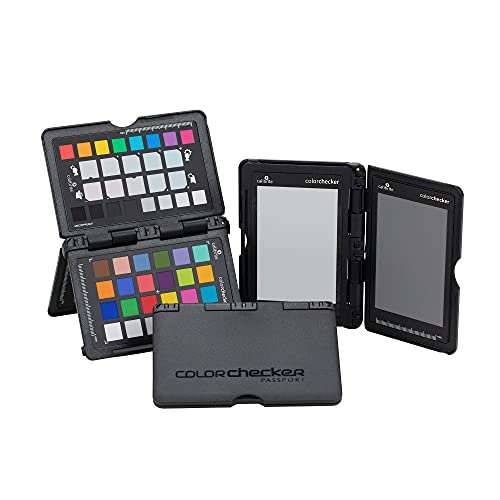
- Four targets for exposure, white balance, and profiling
- DNG and ICC profile support
- Folding case with lanyard for location work
Best For: Traveling photographers who want a complete color workflow
Best Compact Chart

- 24 color targets plus a gray target
- Supports cameras from DSLRs to action cams
- Protective sleeve for location shoots
Best For: Traveling photographers matching cameras and changing light
Best for Video

- Includes two video targets and a white-balance target
- Helps match multiple cameras
- Lightweight case with flexible positioning
Best For: Video creators working in mixed or changing light
Best Complete Color Management Set
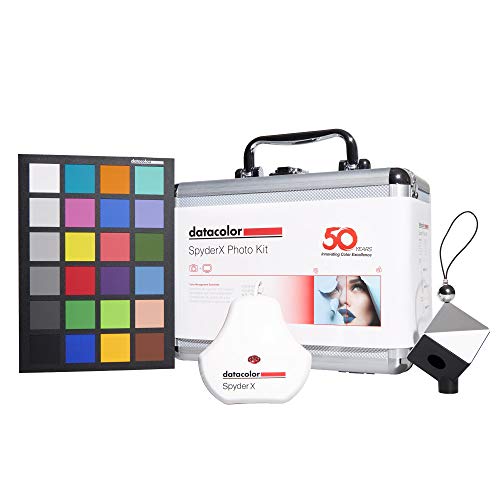
- Includes monitor, camera, and RAW-reference tools
- SpyderX Elite calibrates displays
- Supports photo, video, and projector workflows
Best For: Travel creators needing capture and monitor calibration
Pocket Reference Pick
Anwenk Grey White Balance Card
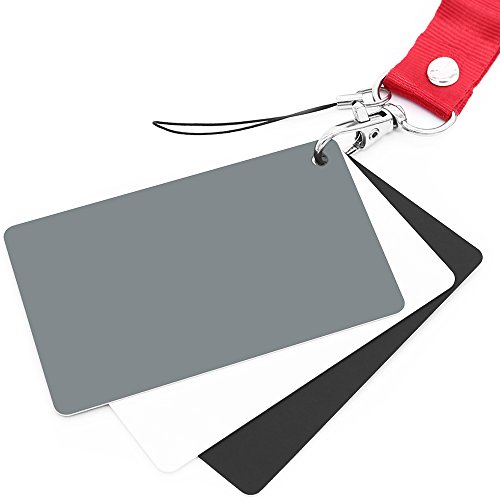
- 18% gray, white-balance, and color cards
- Waterproof matte finish with detachable clip
- Pocket-sized for DSLR, video, and film
Best For: Travel photographers needing a lightweight in-camera reference
Advanced Display Pick
Datacolor SpyderPro Monitor Calibrator

- Calibrates modern displays and projectors
- USB-C connection with USB-A adapter
- Includes analysis, LUT export, and multi-monitor tools
Best For: Mobile photo and video editors needing consistent screen color
All-in-One Field Kit
Pixiss 4-in-1 Color Correction Cards

- Gray, white, black, gradient, and color references
- Waterproof matte cards with lanyard ruler
- Includes microfiber lens cloth
Best For: Travel shooters wanting versatile camera-side references
Travel Video Color Reference

- Professional-grade calibration chips
- 16:9 layout for video workflows
- Lightweight, portable 2-pack
Best For: Traveling videographers needing a portable color reference
Portable Exposure Reference

- Black, white, and neutral gray surfaces
- Supports white balance and exposure
- Compact design for mixed lighting
Best For: Mobile creators needing simple exposure and balance references
Compact Color Correction Set
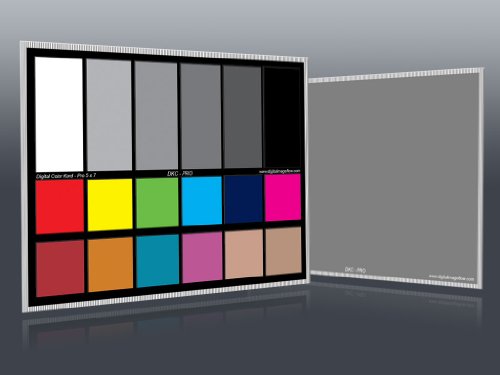
- 12% and 18% gray references
- 18 color patches per chart
- Compact two-card travel set
Best For: Travel photographers doing detailed Lightroom or Photoshop correction
Best All-Around Kit – Calibrite ColorChecker Passport Photo 2
For photographers who want versatile color calibration tools for travel, the Calibrite ColorChecker Passport Photo 2 combines exposure, white-balance, profiling, and enhancement targets in a compact folding case. Its lanyard and adjustable case make it practical for location work.
Best For: Traveling photographers who need a complete capture-to-editing color workflow.
Pros:
- Four targets cover exposure, custom white balance, camera profiling, and enhancement.
- Supports DNG and ICC profiling workflows through Calibrite PROFILER software.
- Folding protective case offers multiple positioning options and includes a lanyard.
Cons:
- Its broader feature set may be more than casual photographers need.
- Custom profile creation requires using the included software workflow.
This is a strong travel choice when consistency across changing locations, cameras, and lighting matters. The four-target design provides more control than a simple gray card without adding much bulk.
Best Compact Chart – Datacolor SpyderCheckr 24
The Datacolor SpyderCheckr 24 is a straightforward option among color calibration tools for travel, with 24 spectrally engineered color targets plus a gray target. Its compact format and protective sleeve suit location shoots and changing light.
Best For: Photographers matching cameras, lenses, or lighting conditions during travel.
Pros:
- Includes 24 color patches and a gray face for visual comparison and white-balance adjustments.
- Works with DSLR, smartphone, drone, and action-camera workflows.
- Supports HSL presets to streamline color correction across image series.
- Compact design and protective sleeve make it easy to carry.
Cons:
- It focuses on chart-based camera calibration rather than monitor calibration.
- Its workflow depends on compatible software for HSL-based correction.
Choose this chart when portability and camera consistency are the priorities. It is especially useful for photographers working across multiple camera systems or rapidly changing environments.
Best for Video – ColorChecker Passport Video 2
The ColorChecker Passport Video 2 is designed for creators who need color calibration tools for travel while capturing stills or moving images. It combines a Classic 24 patch target, white-balance target, and two video targets in a lightweight protective case.
Best For: Video creators matching multiple cameras in mixed or changing lighting.
Pros:
- Includes dedicated video targets for in-camera use or post-production.
- Provides a Classic 24 patch target and white-balance target.
- Supports matching multiple cameras for similar color rendition.
- Compact case adjusts to multiple positions and includes a lanyard.
Cons:
- Its video-focused targets may be unnecessary for stills-only users.
- Camera Calibration software is oriented toward photo DNG or ICC profiles.
This is the most targeted option for mobile video production. Its small, lightweight design and dedicated video references make it useful when a consistent look must be established quickly on location.
Best Complete Color Management Set – Datacolor SpyderX Photo Kit
Datacolor SpyderX Photo Kit: Compact Tool Set for Precise Color Management - SXPK050
Check Price On AmazonThe Datacolor SpyderX Photo Kit goes beyond portable camera charts by combining a display calibrator, Spyder Checkr 24, and Spyder Cube. For travelers editing on location, it offers a broader color-management workflow for capture, RAW conversion, and display consistency.
Best For: Photographers and video creators who need both camera and monitor calibration.
Pros:
- Includes SpyderX Elite for monitor calibration and color consistency.
- Spyder Checkr 24 supports camera consistency and HSL presets.
- Spyder Cube establishes white and black values for RAW conversion.
- Supports photography, video production, and projector calibration workflows.
Cons:
- At 2.4 pounds, it is less travel-friendly than the standalone charts.
- The larger kit may be excessive for users who only need in-camera references.
This kit is best when travel editing requires a controlled workflow from camera through monitor. Its wider feature set adds capability, but the extra weight makes it better suited to planned shoots than ultralight travel.
Pocket Reference Pick – Anwenk Grey White Balance Card
For photographers seeking color calibration tools for travel, the Anwenk card set offers a compact way to set white balance and exposure in the field. Its matte, nonreflective, waterproof cards fit easily in a pocket or attach to a keychain.
Best For: Travelers using DSLR, video, film, or other digital cameras who want a lightweight reference set.
Pros:
- Includes neutral 18% gray, white-balance, and color reference cards.
- Matte, nonreflective, waterproof, and scratch-resistant construction.
- Compact 3 1/3-by-2 1/8-inch format with detachable lanyard clip.
- Works with digital cameras, DSLR, video, and film photography.
Cons:
- Small card size may be less convenient for framing distant subjects.
- Designed for camera reference rather than monitor calibration.
Choose this set when portability is the priority. It provides straightforward in-camera color and exposure references without adding much weight to a travel kit.
Advanced Display Pick – Datacolor SpyderPro Monitor Calibrator
For travelers editing photos or video on a laptop or multiple displays, the SpyderPro is one of the more comprehensive color calibration tools for travel workflows. It calibrates modern monitor types and connects through USB-C, with a USB-A adapter included.
Best For: Photographers, designers, and video editors who need accurate display color while working across compatible laptops, desktops, or multi-monitor setups.
Pros:
- Provides professional-grade standard calibration in about 90 seconds.
- Supports OLED, QD-OLED, Mini LED, Wide LED, Apple Liquid Retina XDR, and other backlights.
- Includes projector calibration, display analysis, 3D LUT export, and multi-monitor matching features.
- Native USB-C connectivity with included USB-A adapter.
Cons:
- More specialized and less compact in purpose than a simple camera reference card.
- Requires compatible Windows or macOS software and a computer.
- Advanced features may be unnecessary for casual travel photography.
This is the strongest choice for a mobile editing workstation rather than an on-location camera bag. Its broad display support and analysis features suit users who need consistent screen output during travel.
All-in-One Field Kit – Pixiss 4-in-1 Color Correction Cards
The Pixiss 4-in-1 set is a practical option among color calibration tools for travel because it combines gray, white, black, gradient, and multicolor references in one portable kit. A lanyard keeps the cards accessible, and the included microfiber cloth adds a useful camera-care accessory.
Best For: Travelers who want exposure, white-balance, color-reference, and basic on-location measuring tools in a single set.
Pros:
- Combines gray, white, black, 24-step gradient, and 24-color reference features.
- Waterproof, durable, matte, compact, and lightweight for field use.
- Lanyard includes measurements and can keep the cards ready to wear.
- Includes a microfiber lens cloth.
Cons:
- Still requires manual use during shooting and editing.
- More accessories and card functions may be unnecessary for users wanting only white balance.
- Its supplied package dimensions are relatively large compared with the cards themselves.
Pick this set if versatility matters more than having the smallest possible reference. It gives travelers several camera-side calibration references plus a lens-cleaning cloth in one kit.
Travel Video Color Reference – Digital Kolor Pro 16:9 Chart
DGK Color Tools Digital Kolor Pro 16:9 Large Color Calibration and Video Chip Chart, 2-Pack
Check Price On AmazonFor video creators who need color calibration tools for travel, the Digital Kolor Pro 16:9 chart offers a lightweight reference designed for on-location workflows. Its 16:9 layout supports video-oriented adjustments, while the compact 14 x 7.88-inch format is easy to transport.
Best For: Traveling videographers and editors who need a portable chart for consistent color calibration across cameras and editing software.
Pros:
- Professional-grade chips support precise, consistent calibration.
- 16:9 design is suited to video production and image-quality adjustments.
- Lightweight 2.08-ounce construction supports convenient on-location use.
- Compatible with various cameras and editing software.
Cons:
- The large 14-inch format may take more space than smaller reference cards.
- It is primarily a video calibration chart rather than a multi-purpose exposure tool.
Choose this two-pack if portability and video-specific framing are priorities. Its durable construction and simple layout make it practical for repeat use during travel shoots.
Portable Exposure Reference – 3-in-1 Gray Balance Tool
This 3-in-1 tool is a practical choice among color calibration tools for travel, combining black, white, and neutral gray surfaces in a compact design. It helps photographers and videographers establish white balance and exposure references under studio, outdoor, or mixed lighting.
Best For: Traveling photographers, videographers, and content creators who need quick white-balance and exposure references for portraits, products, or landscapes.
Pros:
- Black, white, and neutral gray zones support white-balance and exposure control.
- Compact three-zone design simplifies camera adjustments.
- Lightweight construction is suited to outdoor and on-location workflows.
- Useful under mixed lighting conditions.
Cons:
- The supplied details do not specify the tool’s physical dimensions.
- It provides three reference zones rather than a larger color-patch chart.
- The warranty is limited to 90 days from purchase.
This is a straightforward travel option when fast exposure and neutral-balance checks matter more than advanced color-chart correction. Its three-surface format keeps the workflow simple and portable.
Compact Color Correction Set – DKC-Pro 5 x 7 Charts
The DKC-Pro two-card set suits photographers looking for color calibration tools for travel with more detailed correction targets than a basic gray card. Each 5 x 7-inch chart includes 12% and 18% gray references plus 18 color patches, and the included frame stand supports tabletop use.
Best For: Traveling photographers and editors who want detailed white-balance and color-correction references compatible with Photoshop and Lightroom.
Pros:
- Includes 12% and 18% gray references for white balance.
- 18 color patches support detailed digital color correction.
- n-Chrome coating is designed for color saturation, luminance, and accuracy.
- Compact 5 x 7-inch format and 2.4-ounce weight support travel use.
Cons:
- The set is smaller than a large-format video chart.
- The supplied details emphasize Photoshop and Lightroom rather than broad software compatibility.
- The frame stand may be unnecessary for photographers who only need handheld references.
With two charts and multiple gray and color targets, this set offers a more detailed travel reference than a simple three-zone card. It is a strong fit for photographers who plan to refine color in post-production.
How We Picked These Color Calibration Tools for Travel
We focused on portability, calibration purpose, ease of use, and versatility. The roundup includes tools for setting white balance and exposure in-camera, charts for matching color during photo or video production, and monitor calibration hardware for travelers who edit away from a studio. We also considered target size, durability, storage, included accessories, and whether a product is best suited to still photography, video, or post-production.
Compact tools are not automatically better: a small gray card may be ideal for quick exposure checks, while a multi-target passport-style kit can provide more useful color information when lighting changes or accurate skin tones matter.
Quick Comparison
- Best all-around travel kits: Passport-style color targets combine white balance, exposure, and color references in a compact format.
- Best for simple in-camera correction: Gray, white, and black card sets are affordable and quick to use.
- Best for video: Video-oriented charts provide reference patches and formats designed for consistent footage matching.
- Best for editing on the road: A monitor calibrator helps ensure the screen—not just the camera—is displaying color accurately.
- Best for larger productions: Larger charts are easier to frame and read, but take more room in a travel bag.
Key Buying Factors for Color Calibration Tools for Travel
Size and Protection
Choose a foldable, hinged, or case-protected design if the tool will travel frequently. Loose cards can bend, scuff, or fade, reducing their usefulness. Check the closed dimensions and weight rather than relying only on product photos.
Calibration Coverage
Decide whether you need neutral references only or a full color chart. Gray cards support white balance and exposure, while color targets are more useful for correcting hues and matching multiple cameras. A monitor calibrator addresses display accuracy and does not replace an in-camera reference.
Lighting and Workflow
For changing outdoor light, use the reference target under the same illumination as the subject. Video shooters should prioritize charts that fit their camera and editing workflow. Photographers who shoot RAW have more flexibility, but a reliable reference still speeds up batch corrections.
Durability and Consistency
Look for matte surfaces, sturdy construction, and clear instructions. Reflective, dirty, or faded targets can produce misleading readings. If color-critical work is involved, protect the chart from prolonged direct sunlight and replace it when its surface visibly changes.
Who Should Buy Which Color Calibration Tools for Travel?
Choose a compact multi-target kit if you travel for portraits, commercial photography, or mixed photo and video assignments and want several calibration functions in one case.
Choose a basic gray or four-card set if your main goal is repeatable white balance and exposure at a low cost. These are especially practical for casual photographers, film shooters, and backup kits.
Choose a video chart if you need to match cameras, maintain consistent skin tones, or speed up color grading across changing locations.
Choose a monitor calibrator if you edit photos or video while traveling and need confidence that your laptop or external display is showing neutral tones accurately. For the best results, pair it with a camera reference chart rather than treating it as a substitute.