
Choosing the right tablet can make digital art feel far more natural, whether you are sketching, editing, or building a full creative workflow.
This roundup highlights the best drawing tablets in 2026, with options for beginners, students, and artists who want more precision, better shortcuts, or a pen display experience.
Best 10 Drawing Tablets Picks for 2026
Editor’s Pick
Wacom Intuos Small Wired Tablet
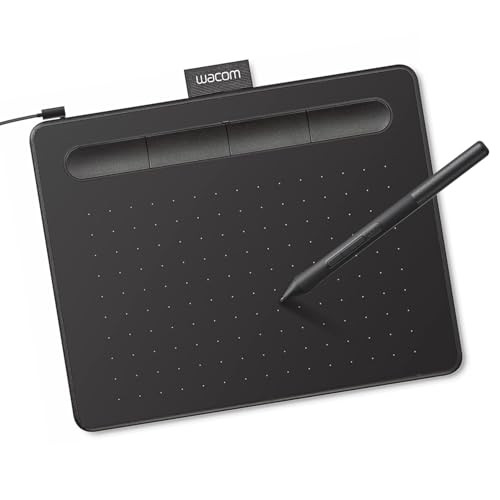
- Battery-free EMR pen with 4,096 pressure levels
- 4 ExpressKeys and bundled software/training
- Works with Windows, Mac, and Chromebook
Best For: Students and beginners who want a compact, reliable wired tablet
Best Value
XP-Pen Deco 01 V3 Beginner Drawing Tablet

- 16,384 pressure levels with 60° tilt support
- Large 10 x 6.25-inch working area
- 8 shortcut keys plus Android compatibility
Best For: Beginners who want a spacious, feature-rich tablet
Wireless Upgrade
Wacom Intuos Medium Bluetooth Tablet

- Bluetooth and USB-A connectivity
- Battery-free pen with Wacom EMR feel
- Medium active area with 4 ExpressKeys
Best For: Users who want a wireless Wacom tablet for flexible everyday use
Large Workspace
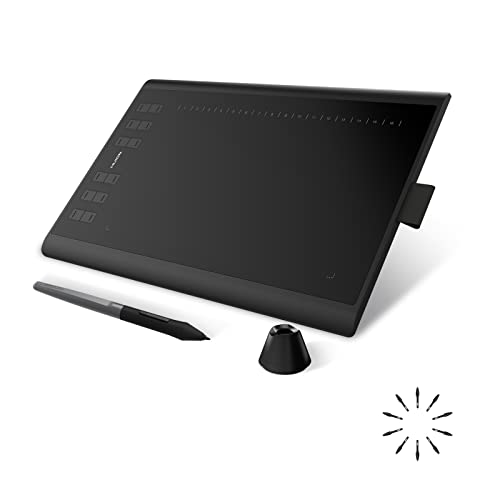
- 10 x 6.25-inch working area
- 8,192 pressure levels with 60° tilt
- 12 press keys plus 16 soft keys
Best For: Creators who want a roomy tablet with extensive shortcut customization
Screen Drawing Tablet
XP-PEN Artist12 11.6" FHD Display

- 11.6-inch full HD pen display
- Battery-free pen with eraser
- 6 keys and touch bar shortcuts
Best For: Students and home creators wanting a compact connected display
Pen Tablet
UGEE M708 10x6 Inch Large Drawing Area

- 10 x 6 inch active drawing area
- 16384 pressure levels stylus
- 8 shortcut keys for faster work
Best For: Beginners and hobbyists who want a roomy non-screen tablet
Premium Pen Display
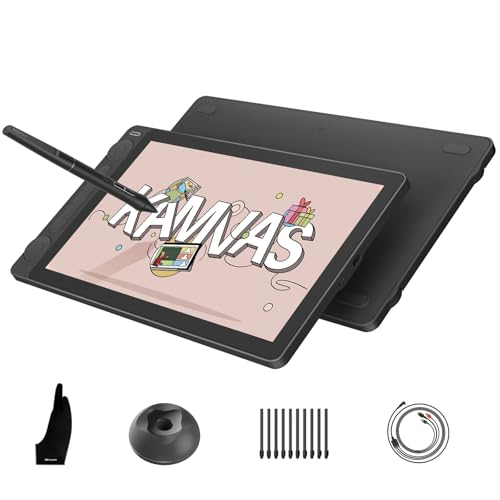
- Full-laminated 13.3-inch anti-glare display
- 16384 pressure pen with 2g IAF
- Dual dials plus 5 silent keys
Best For: Serious artists and designers needing portable color accuracy
Compact Pen Tablet
XP-Pen StarG640 for Drawing, Notes, and E-Learning
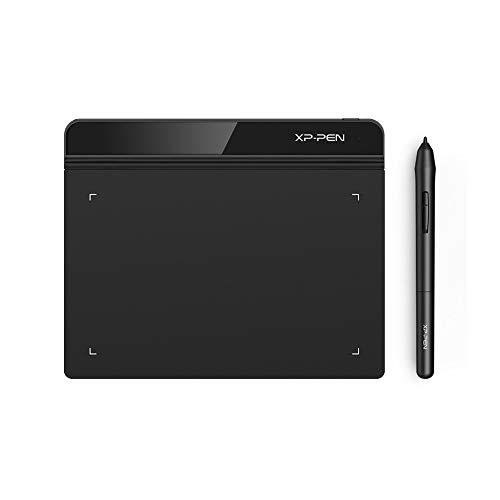
- Battery-free stylus with 8192 pressure levels
- Slim 6 x 4 inch tablet at 170 g
- Works with Windows, Mac, and Chromebook
Best For: Students and beginners needing a portable pen tablet
Pen Display Tablet
HUION Kamvas 13 Gen 3 for Color-Accurate Creation

- 13.3-inch fully laminated screen with anti-sparkle glass
- 16384 pressure levels and low activation force
- 99% sRGB with Avg. ΔE<1.5 color accuracy
Best For: Artists and designers who want a screen-based tablet
Best Simple Pick
XP-Pen Artist 12 Pro Lite for Portable Sketching

- 11.6-inch fully laminated IPS display
- 8192 pressure levels with 60° tilt support
- 8 shortcut keys plus programmable red dial
Best For: Portable screen-tablet users who sketch, teach, or present
Editor’s Pick – Wacom Intuos Small Wired Tablet
If you want drawing tablets that prioritize pen feel and reliability, the Wacom Intuos Small is a strong compact option. It uses battery-free EMR pen technology with 4,096 levels of pressure sensitivity, and it works with popular creative software for drawing, painting, photo editing, and marking up documents.
Best For: Students, teachers, and creators who want a trusted, wired starter tablet with a pen-on-paper feel.
Pros:
- Battery-free Wacom Pen 4K with EMR technology
- 4 ExpressKeys for shortcuts
- Works with Windows, Mac, and Chromebook
- Software and online training included after registration
Cons:
- Small active area may feel limited for some workflows
- Wired USB-A connection only
- Lower pressure sensitivity than some larger competitors
Overall, this is a practical pick if you value Wacom’s long-standing pen performance in a simple, portable format. It’s especially appealing if you’re starting out and want a tablet that can also handle everyday creative and school tasks.
Best Value – XP-Pen Deco 01 V3 Beginner Drawing Tablet
For drawing tablets aimed at beginners, the XP-Pen Deco 01 V3 stands out with a large 10 x 6.25-inch working area and a battery-free stylus that offers 16,384 pressure levels and 60-degree tilt support. It’s built to make setup and use straightforward, with shortcut keys, USB-C connectivity, and compatibility across Windows, macOS, Chrome OS, Linux, and Android 10.0+.
Best For: Beginners who want a large, easy-to-use tablet with strong pressure sensitivity and broad device support.
Pros:
- 16K pressure levels and tilt support for smoother lines and shading
- Large 10 x 6.25-inch drawing space
- 8 customizable shortcut keys for left- and right-handed users
- Includes nibs, glove, protective film, and adapters
Cons:
- Requires software setup for full customization
- Android support depends on device and app mapping
- More desk space needed than ultra-compact tablets
This is a well-rounded starter tablet if you want more room to draw without moving up to a premium display. Its feature set is especially friendly for artists who want a large surface, simple controls, and strong cross-platform compatibility.
Wireless Upgrade – Wacom Intuos Medium Bluetooth Tablet
If you’re comparing drawing tablets and want more freedom than a wired model, the Wacom Intuos Medium Bluetooth version is a practical step up. It keeps Wacom’s battery-free EMR pen feel, adds Bluetooth wireless connectivity, and gives you a medium active area that’s better suited to longer sessions and broader strokes.
Best For: Artists, students, and teachers who want a medium-size Wacom tablet with wireless flexibility.
Pros:
- Bluetooth connectivity plus USB-A wired option
- Battery-free Wacom Pen 4K
- Medium active area for more comfortable drawing space
- 4 ExpressKeys and included software/training
Cons:
- Still limited to 4,096 pressure levels
- Bluetooth adds cost over the wired model
- Requires registration to access bundled software
For many buyers, this is the most balanced Wacom option in this group because it combines portability, a larger work area, and wireless convenience. It’s a solid fit if you plan to draw in different places and want a familiar, dependable pen tablet experience.
Large Workspace – HUION Inspiroy H1060P Tablet
The HUION Inspiroy H1060P is one of the more spacious drawing tablets here, with a 10 x 6.25-inch working area and a slim 10mm design. Its battery-free stylus supports 8,192 pressure levels and 60-degree tilt, while 12 programmable press keys plus 16 soft keys give you plenty of room to customize your workflow.
Best For: Artists who want a larger tablet area and lots of shortcut control for drawing, painting, or writing.
Pros:
- Large 10 x 6.25-inch active area
- 8,192 pressure levels with tilt support
- 12 programmable press keys and 16 soft keys
- Works with Windows, macOS, Android, and Linux
Cons:
- Requires a USB adapter for Mac connection
- Android compatibility excludes iPhone and iPad
- More complex shortcut setup than basic entry-level tablets
This model makes sense if you want room to work and like the idea of mapping many commands to your tablet itself. It’s a versatile pick for creators who value a generous workspace and broad software compatibility without moving to a display tablet.
Screen Drawing Tablet – XP-PEN Artist12 11.6" FHD Display
If you want drawing tablets that feel closer to pen-on-screen work, the XP-PEN Artist12 is a compact display option for digital drawing, sketching, animation, and photo editing. Its 11.6-inch 1920×1080 IPS panel and 72% NTSC color gamut give you a clear, detailed workspace, while the battery-free pen and customizable shortcut controls help streamline everyday creative tasks.
Best For: Students, teachers, and home creators who want an affordable pen display for connected computer use.
Pros:
- 11.6-inch full HD IPS display with 100% sRGB coverage for vivid artwork viewing
- Battery-free stylus with eraser and 8 replacement nibs included
- 6 customizable shortcut keys plus a programmable touch bar for faster workflows
- Compatible with Windows, Mac, and Linux, plus many major creative apps
Cons:
- Must be connected to a computer to work
- Requires HDMI and USB-A ports, or an adapter for some laptops
- Smaller screen size may feel limited for users who want more canvas space
Overall, the Artist12 is a practical choice if you want a compact pen display with dependable color, broad software compatibility, and helpful controls. It is especially appealing for people who need an entry-friendly screen tablet for art or online teaching.
Pen Tablet – UGEE M708 10×6 Inch Large Drawing Area
For artists who prefer non-screen drawing tablets, the UGEE M708 offers a roomy 10 x 6 inch active area with a papery texture surface for smooth sketching and painting. Its 16384-level passive stylus, 8 customizable express keys, and wide software compatibility make it a solid fit for beginners and hobbyists who want a straightforward computer drawing setup.
Best For: Beginners, hobbyists, and budget-minded creators who want a large pen tablet for PC, Mac, Android, or Chromebook use.
Pros:
- Large 10 x 6 inch active drawing space with a paper-like texture
- 16384 pressure levels for detailed line control
- 8 customizable express keys for zoom, undo, scroll, and more
- Broad compatibility with Windows, Mac, Android, Chrome OS, and Linux
Cons:
- No built-in screen, so you draw while looking at your monitor
- Designed for computer use rather than standalone operation
- Android support depends on device compatibility
The M708 is a sensible pick if you want one of the more spacious drawing tablets without paying for a display. It focuses on comfort, shortcut efficiency, and wide platform support, which makes it easy to recommend for everyday creative work.
Premium Pen Display – HUION Kamvas 13 (Gen 3) 16K
The HUION Kamvas 13 (Gen 3) is one of the more advanced drawing tablets in this group, built for creators who want a connected pen display with strong color performance and refined pen control. Its full-laminated anti-glare Canvas Glass 2.0, 16384 pressure levels, dual dials, and factory color calibration make it well suited to detailed illustration, design, and editing work.
Best For: Serious artists and designers who want a portable pen display with accurate color and fine control.
Pros:
- Full-laminated 13.3-inch display with anti-glare Canvas Glass 2.0
- PenTech 4.0 with 16384 pressure levels and 2g initial activation force
- 99% sRGB/Rec.709 and 90% Adobe RGB coverage with factory calibration
- Dual dials and 5 silent press keys for efficient workflow control
Cons:
- Must be connected to a computer or supported Android device
- Not a standalone tablet
- Premium features may be more than casual users need
For users comparing drawing tablets by display quality and pen precision, the Kamvas 13 (Gen 3) stands out as a polished option. It combines portability with pro-level tools, making it a strong fit when color accuracy and workflow speed matter.
Compact Pen Tablet – XP-Pen StarG640 for Drawing, Notes, and E-Learning
If you want a simple drawing tablet for everyday sketching, note-taking, or remote work, the XP-Pen StarG640 is a compact entry-level option. Its battery-free stylus, 8192 pressure levels, and slim 6 x 4 inch active area make it a practical mouse replacement for digital art, signatures, and online teaching.
Best For: Students, teachers, and beginners who need a portable drawing tablet for drawing, writing, and e-learning.
Pros:
- Battery-free stylus means no charging interruptions.
- Very slim and lightweight at just 2 mm thick and 170 g.
- Works with Windows, Mac, and Chromebook devices.
- Useful for drawing, e-signatures, Office apps, and online classes.
Cons:
- No built-in screen, so you draw on a separate display.
- Small 6 x 4 inch surface may feel limited for larger workflows.
The StarG640 is best viewed as a practical, portable pen tablet rather than a feature-heavy creative display. For users who prioritize affordability, compatibility, and simplicity, it covers the basics well.
Pen Display Tablet – HUION Kamvas 13 Gen 3 for Color-Accurate Creation
The HUION Kamvas 13 (Gen 3) is a drawing tablet with screen built for artists who want a more direct sketching experience. With a fully laminated 13.3-inch display, anti-sparkle glass, 16384 levels of pressure sensitivity, and strong color coverage, it suits illustration and design work where visual accuracy matters.
Best For: Creators who want a compact pen display with strong color accuracy and a smoother drawing feel.
Pros:
- Fully laminated 13.3-inch screen with reduced glare.
- PenTech 4.0 offers 16384 pressure levels and low initial activation force.
- Excellent color specs with 99% sRGB and Avg. ΔE<1.5.
- Includes shortcut keys, dual dials, and a USB-C single-cable setup.
Cons:
- Not a standalone device and must connect to a computer or laptop.
- At 2 pounds, it is less portable than a basic pen tablet.
This Kamvas model is a strong pick if you want a screen-based drawing tablet that balances compact size with creator-focused controls. Its display quality and workflow features make it especially appealing for artists who value precision.
Best Simple Pick – XP-Pen Artist 12 Pro Lite for Portable Sketching
The XP-Pen Artist 12 Pro Lite is a compact drawing tablet with screen aimed at users who want direct pen-on-display control. Its 11.6-inch fully laminated IPS panel, 8192 pressure levels, tilt support, and red dial make it a practical choice for sketching, editing, and live annotation.
Best For: Artists, students, and teachers who want a portable screen tablet for drawing and presenting ideas.
Pros:
- Fully laminated 11.6-inch display helps reduce parallax.
- Stylus supports 8192 pressure levels and up to 60° tilt.
- Eight shortcut keys plus a programmable red dial improve control.
- Works with Windows, Mac, ChromeOS, and Linux.
Cons:
- Smaller screen size may feel tight for detailed workflows.
- Needs a computer connection and is not a standalone device.
For buyers comparing drawing tablets with screens, this model stands out for its portable size and hands-on controls. It is a sensible fit when you want a display tablet that can also support teaching, live sharing, and everyday creative work.
How We Picked These Drawing Tablets
We focused on practical factors that matter most to artists and designers: pen accuracy, pressure sensitivity, active drawing area, shortcut controls, display quality, connection options, and overall value. We also looked for models that suit different use cases, from compact starter tablets to larger pen displays for more immersive work.
Quick Comparison
For simple sketching and portability, smaller pen tablets are usually the easiest choice. If you want a more paper-like workflow and visual feedback while you draw, a pen display is worth the upgrade. Mid-size tablets tend to offer the best balance of comfort and desk space, while larger active areas are better for detailed illustration and long sessions.
Key Buying Factors for Drawing Tablets
Size and Active Area
Drawing area affects both comfort and control. Smaller models are travel-friendly and fine for note-taking or beginner art, while 10×6-inch class tablets give you more room for natural arm movement. Pen displays add the benefit of drawing directly on screen, but they also take up more desk space.
Pen Performance
Look for battery-free styluses, strong pressure sensitivity, and stable tracking. A responsive pen can improve line control, shading, and brush variation. Features like tilt support and low latency are especially helpful for illustration and professional work.
Express Keys and Controls
Shortcut buttons, dials, and touch controls can speed up common tasks like undo, zoom, brush size changes, and canvas rotation. If you work in Photoshop, Clip Studio Paint, or similar apps, these controls can save time every session.
Connectivity and Compatibility
Bluetooth adds convenience for cleaner setups, while wired models can be simpler and more reliable. Check operating system support and software compatibility before buying, especially if you use multiple devices.
Who Should Buy Which Drawing Tablets?
Beginners usually do best with an affordable pen tablet that has a comfortable size and a reliable stylus. Students and hobbyists may prefer a mid-size model with more shortcut keys. Artists who want a more intuitive workflow should consider pen displays, especially if they want to draw directly on the screen and reduce the learning curve.
If you are choosing between several Drawing Tablets, focus on the features you will use every day rather than the biggest spec sheet. The right fit is the one that matches your desk space, drawing style, and software habits.