
If you need a simple way to access bare SATA drives on a Windows PC, a good dock can save time and reduce cable clutter.
We focused on models that balance speed, compatibility, and everyday convenience for backups, cloning, and drive recovery.
Best 10 Hard Drive Docking Stations for Windows Picks for 2026
Compact Single-Bay SATA Dock
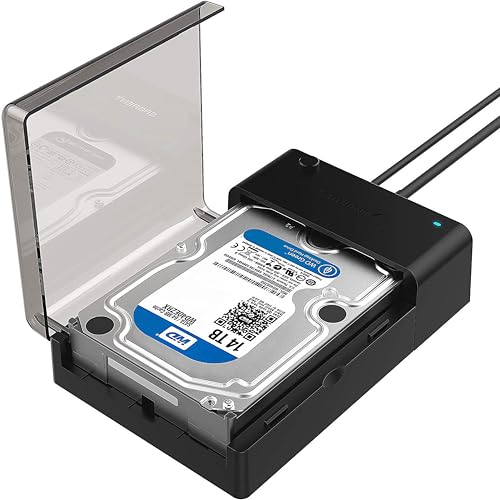
- Single-bay dock for 2.5-inch and 3.5-inch SATA drives
- USB 3.0 with UASP support and plug-and-play Windows setup
- Includes 12V power adapter for 3.5-inch HDDs
Best For: Windows users who need a simple SATA-only dock for everyday drive access
Dual-Bay Clone Dock
WAVLINK USB 3.0/USB-C SATA Dock

- Dual-bay support for 2.5-inch and 3.5-inch SATA drives
- Offline cloning works without a computer
- USB 3.0 with UASP and included 12V/3A power supply
Best For: Windows users who want a two-drive dock with offline cloning
USB-C Performance Dock
SABRENT DS-UC1B 10Gbps SATA Dock

- 10Gbps USB-C dock for 2.5-inch and 3.5-inch SATA drives
- Includes both USB-A and USB-C cables
- Tool-free, hot-swappable design with power adapter included
Best For: Windows users who want a faster USB-C SATA dock for single-drive use
Dual-Bay Backup Dock

- Dual-bay dock for 2.5-inch and 3.5-inch SATA drives up to 2x20TB
- Offline clone support for computer-free duplication
- Fixed bezel design with tool-free, hot-swappable setup
Best For: Windows users who want a stable dual-bay dock for backups and cloning
Desktop SATA Dock
SABRENT USB 3.0 to SATA Hard Drive Docking Station
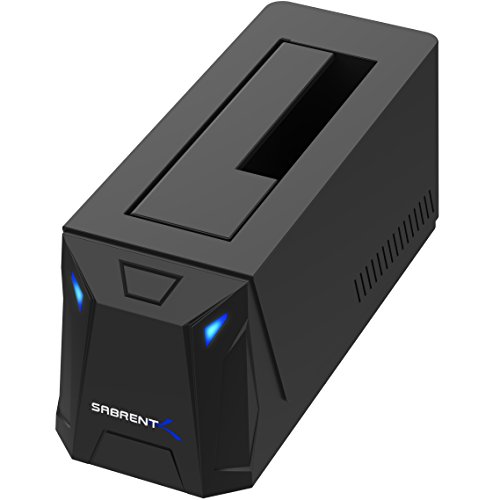
- Fits 2.5-inch and 3.5-inch SATA drives up to 20TB
- USB 3.0 with UASP and hot-swap support
- Includes AC adapter; SATA only
Best For: Windows users who need simple single-drive SATA access
Dual Bay Cloner
FIDECO External Hard Drive Docking Station

- Dual-bay dock for two SATA drives at once
- Offline clone works without a computer
- USB 3.0 with plug-and-play setup
Best For: Windows users who need two-drive access and offline cloning
Versatile SATA Dock
ORICO Hard Drive Docking Station

- Supports 2.5-inch/3.5-inch SATA drives up to 22TB
- USB 3.0 with UASP and Trim
- Works with Windows, Mac, Linux, and more
Best For: Users who want a compact, cross-platform SATA dock
Dual-Bay Cloning Dock
SABRENT EC-CH2B dual-bay cloning dock

- Offline cloning without a computer
- Dual bays read and write at the same time
- USB-C plug-and-play on Windows
Best For: Windows users who want easy dual-drive access and offline duplication
Lay-Flat Cooling Dock
ORICO USB 3.0 lay-flat SATA dock
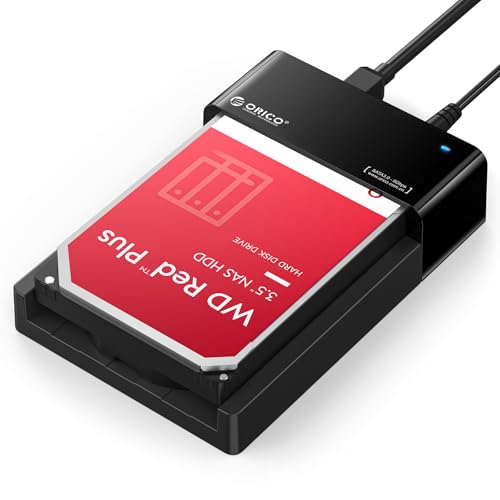
- USB 3.0 with UASP up to 5Gbps
- Lay-flat design for better cooling
- Tool-free hot-swap single-bay use
Best For: Users who want a simple single-drive dock for backups and file access
Classic Dual-Bay Cloner
SABRENT EC-HD2B dual-bay SATA dock
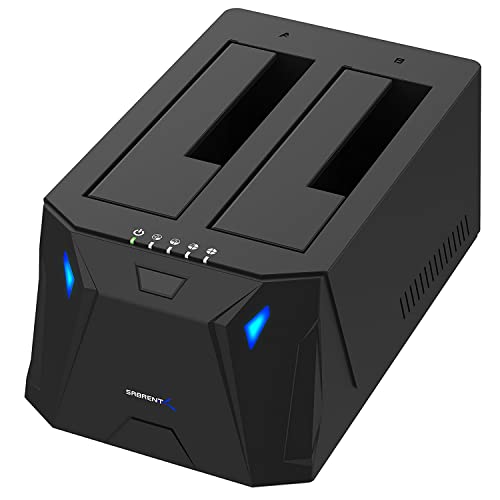
- Dual-bay dock for two SATA drives
- Offline cloning without a PC
- USB 3.0 plug-and-play operation
Best For: People who want a reliable dual-bay SATA dock with basic cloning support
Compact Single-Bay SATA Dock – SABRENT USB 3.0 Lay-Flat Dock
If you want a straightforward option among hard drive docking stations for windows, this SABRENT dock keeps things simple: drop in a bare 2.5-inch or 3.5-inch SATA drive, connect over USB 3.0, and start transferring without driver hassles. It’s aimed at SATA drives only, so it’s best when you already know you’re working with a standard SATA HDD or SSD rather than M.2 or IDE hardware.
Best For: Windows users who need a no-frills, single-drive SATA dock for backup, cloning prep, or quick drive access.
Pros:
- Supports 2.5-inch and 3.5-inch SATA HDDs and SSDs.
- USB 3.0 with UASP support for practical real-world transfer speeds.
- Includes a 12V/2A power adapter for reliable 3.5-inch drive operation.
- Tool-free, hot-swappable design with no drivers needed on Windows 10/11.
Cons:
- Does not support IDE/PATA, M.2 NVMe, M.2 SATA, or SAS drives.
- Uses a USB Type-A host cable, so USB-C-only systems need an adapter.
- S.M.A.R.T. diagnostics are not passed through the USB bridge.
Overall, this is a practical entry-level dock for users who just need dependable SATA drive access on Windows. It’s not the most versatile, but it covers the basics well and includes the power hardware needed for 3.5-inch drives.
Dual-Bay Clone Dock – WAVLINK USB 3.0/USB-C SATA Dock
For hard drive docking stations for windows that do more than basic access, this WAVLINK dual-bay dock adds offline cloning to standard SATA drive support. It works with 2.5-inch and 3.5-inch SATA HDDs and SSDs, and the dual-slot setup makes it useful when you need to copy data between drives without opening a PC.
Best For: Windows users who want a dual-bay SATA dock with offline cloning for backup and drive-to-drive transfers.
Pros:
- Supports two SATA drives at once in 2.5-inch or 3.5-inch sizes.
- Offline clone function works without a computer involved.
- UASP support and USB 3.0 connectivity for faster transfers.
- Includes built-in power switch and 12V/3A power supply.
Cons:
- Offline cloning is limited to source-to-target and does not support online clone.
- Not compatible with M1/M2-based Macs.
- Clone speed is listed at up to 60Mbps, so it is not meant for fast duplication jobs.
This is a strong pick if your priority is easy drive swapping plus a built-in cloning feature. It’s especially useful for users who regularly back up SATA drives and want a dock that handles both access and duplication in one unit.
USB-C Performance Dock – SABRENT DS-UC1B 10Gbps SATA Dock
If you’re shopping hard drive docking stations for windows and want a newer USB-C option, this SABRENT dock is built around a 10Gbps connection for SATA SSDs and HDDs. It supports 2.5-inch and 3.5-inch SATA drives, includes the needed power adapter for 3.5-inch operation, and comes with both USB-A and USB-C cables for easier setup.
Best For: Windows users who want a USB-C dock with higher bandwidth and broad SATA drive compatibility.
Pros:
- 10Gbps USB-C connection with backward compatibility to 5Gbps and older.
- Supports 2.5-inch and 3.5-inch SATA SSDs and HDDs.
- Tool-free, hot-swappable design with retractable dust cover.
- Includes both USB-A and USB-C to USB-C cables plus power adapter.
Cons:
- Still limited to SATA drives only, not NVMe or IDE.
- Single-bay design means no dual-drive access or cloning.
- Plastic enclosure may feel less rugged than metal alternatives.
This dock stands out for users who want faster interface headroom and a more modern cable setup. It’s a good fit when your workflow is centered on one SATA drive at a time and you value convenience plus USB-C support.
Dual-Bay Backup Dock – WAVLINK Fixed-Bezel SATA Dock
For users comparing hard drive docking stations for windows, this WAVLINK dual-bay model focuses on backup convenience and drive protection. It supports 2.5-inch and 3.5-inch SATA HDDs and SSDs, includes offline cloning, and uses a fixed bezel design to help keep drives seated more securely during use.
Best For: Windows users who want a two-bay SATA dock for backup, drive expansion, and occasional offline cloning.
Pros:
- Supports two SATA drives up to 2x20TB.
- Offline cloning lets you copy data without a computer.
- UASP support and USB 3.0 connection for faster transfers.
- Tool-free, hot-swappable design with a fixed bezel for added stability.
Cons:
- Supports SATA interface only, so non-SATA drives are not compatible.
- Package includes a USB 3.0 Type-B to A cable, which may require an adapter for some setups.
- The enclosure is plastic rather than metal.
This is a useful pick if you want a practical dual-drive dock with backup flexibility and a bit more physical drive support than a basic single-bay unit. It’s best for users who value easy access to two SATA drives and the option to clone without opening a PC.
Desktop SATA Dock – SABRENT USB 3.0 to SATA Hard Drive Docking Station
If you want hard drive docking stations for windows that keep things simple, this SABRENT dock is a straightforward single-bay option for 2.5-inch and 3.5-inch SATA drives and SSDs. It supports up to 20TB, uses USB 3.0 with UASP, and includes an AC adapter that must be connected for operation.
Best For: Windows users who need a simple SATA dock for one drive at a time, including backup, cloning workflows, and drive access.
Pros:
- Supports 2.5-inch and 3.5-inch SATA HDDs and SSDs up to 20TB
- USB 3.0 with UASP for up to 5Gbps transfer rates
- Hot-swap support and clear LED activity indicators
- Includes the required AC adapter and USB cable
Cons:
- SATA-only design; not compatible with SAS or M.2 NVMe drives
- New or blank drives must be initialized in Windows Disk Management first
- Auto-sleeps after 30 minutes of inactivity
This is a practical pick if you mainly need reliable, no-fuss access to one SATA drive on a Windows PC. The included power adapter and UASP support make it a solid everyday dock, as long as you do not need NVMe or multi-bay features.
Dual Bay Cloner – FIDECO External Hard Drive Docking Station
Among hard drive docking stations for windows, this FIDECO dual-bay model stands out for users who want two-drive access and offline cloning in one unit. It supports 2.5-inch and 3.5-inch SATA HDDs and SSDs, connects over USB 3.0, and works with Windows XP through Windows 10.
Best For: Windows users who want a dual-bay SATA dock with offline clone support.
Pros:
- Dual-bay design for two 2.5-inch/3.5-inch SATA drives at once
- Offline clone function works without a computer
- USB 3.0 transfer rates up to 5Gbps
- Plug-and-play setup with no driver needed
Cons:
- Supports SATA drives only, not other drive types
- New drives still need to be initialized before recognition
- Includes clone function, but setup steps must be followed carefully
This dock is a strong fit if you regularly move data between drives or want an easy offline cloning option on Windows. Its dual-bay layout makes it more versatile than a basic single-slot dock, while staying focused on SATA storage.
Versatile SATA Dock – ORICO Hard Drive Docking Station
If you are comparing hard drive docking stations for windows and also want broader device support, this ORICO dock is a flexible SATA option. It handles 2.5-inch and 3.5-inch SATA I/II/III drives up to 22TB, uses USB 3.0 with UASP and Trim, and includes a power supply plus a 3ft USB-A cable.
Best For: Users who want a compact SATA dock for Windows and other platforms, with wide device compatibility.
Pros:
- Supports 2.5-inch and 3.5-inch SATA drives up to 22TB
- USB 3.0 with UASP and Trim for up to 5Gbps transfers
- Works with Windows, Mac, Linux, iPad OS, and more
- Tool-less, hot-swappable design with LED indicators
Cons:
- Does not support IDE or SAS drives
- New or unallocated drives must be initialized in Disk Management
- Single-drive design only supports one drive at a time
This ORICO model is a good choice if you want one dock that can move between Windows and other systems without much hassle. Its 22TB support and compact, tool-less design make it practical for backups, transfers, and everyday SATA drive access.
Dual-Bay Cloning Dock – SABRENT EC-CH2B dual-bay cloning dock
If you want hard drive docking stations for windows that can both mount drives and clone them offline, this SABRENT dual-bay dock is built for that job. It supports two SATA drives at once, works plug-and-play on Windows, and includes a button-based copy mode for drive-to-drive duplication without a PC.
Best For: Windows users who need a dual-bay dock for everyday drive access plus no-computer cloning.
Pros:
- Offline 1-to-1 cloning works with the dock unplugged from a computer.
- Dual bays mount as separate drives for reading and writing both disks at once.
- Supports 2.5-inch and 3.5-inch SATA HDDs and SATA SSDs.
- USB-C connection with plug-and-play support on Windows.
Cons:
- Only works with SATA drives, not IDE/PATA, M.2, or NVMe.
- Cloning speed is limited to up to 60MBps by design.
- The included cable is USB-C on the dock end, so some PCs may need an adapter cable.
This is a practical choice if you want a flexible dock for file access and straightforward cloning in one unit. Just make sure your drives are SATA and that the target drive is the same size or larger than the source for cloning.
Lay-Flat Cooling Dock – ORICO USB 3.0 lay-flat SATA dock
Among hard drive docking stations for windows, this ORICO lay-flat model is aimed at simple drive access, backups, and occasional cloning with a straightforward single-bay design. It supports USB 3.0 with UASP, takes 2.5-inch and 3.5-inch SATA HDDs and SSDs, and is designed for tool-free swapping.
Best For: Windows, Mac, and Linux users who want a simple single-drive dock with good cooling and easy setup.
Pros:
- USB 3.0 with UASP is rated up to 5Gbps.
- Lay-flat design helps with passive heat dissipation during long transfers.
- Supports 2.5-inch and 3.5-inch SATA drives up to 24TB.
- Tool-free, hot-swappable design makes drive changes quick.
Cons:
- Single-bay design only works with one drive at a time.
- The product details list 3.5-inch support in the specs, so verify fit if you plan to use 2.5-inch drives.
- Not a cloning dock with dedicated offline copy controls.
This ORICO dock makes sense if your priority is easy drive access rather than duplicating disks. The simple layout, broad OS compatibility, and included cable and power adapter make it a low-friction choice for routine storage tasks.
Classic Dual-Bay Cloner – SABRENT EC-HD2B dual-bay SATA dock
If you need hard drive docking stations for windows that handle both day-to-day drive access and offline copying, this SABRENT dual-bay model stays focused on the basics. It supports 2.5-inch and 3.5-inch SATA drives or SSDs, offers plug-and-play operation, and includes offline cloning at up to 60Mbps.
Best For: Users who want a proven dual-bay SATA dock for Windows-compatible storage work and simple drive cloning.
Pros:
- Dual-bay design supports two SATA drives at once.
- Offline cloning works without connecting to a computer.
- USB 3.0 transfer speeds are rated up to 5Gbps.
- Plug-and-play setup needs no drivers.
Cons:
- Top supported drive size in the notes is 10TB per drive.
- Offline cloning speed tops out at 60Mbps.
- Uses a USB 3.0 connection rather than USB-C.
This dock is a straightforward pick if you want a no-fuss dual-bay unit for SATA drives and cloning. It is especially useful when you want a familiar, driver-free dock that handles both file transfers and duplication in one box.
How We Picked the Best Hard Drive Docking Stations for Windows
For this roundup of Hard Drive Docking Stations for Windows, we prioritized broad SATA compatibility, reliable USB performance, and practical features like UASP support, dual-bay designs, and offline cloning. We also favored docks that work well with common 2.5-inch and 3.5-inch HDDs and SSDs, since Windows users often need a mix of storage options.
Quick Comparison
If you mainly need a single-drive dock for occasional access, a simple USB 3.0 or USB-C model is usually enough. If you copy data between drives often, a dual-bay dock with cloning can be the better fit. For faster workflows, look for USB-C and 10Gbps support; for basic utility use, stable USB 3.0 performance matters more than headline speed.
Key Buying Factors for Hard Drive Docking Stations for Windows
Drive Support
Check whether the dock supports both 2.5-inch and 3.5-inch SATA drives, plus HDD and SSD compatibility. If you work with older drives, confirm SATA I/II/III support.
Connection Type and Speed
USB 3.0 is still fine for most users, but USB-C and higher-speed designs can improve transfer times with SSDs. UASP support is a plus because it can help reduce overhead and improve real-world performance on Windows systems.
Single-Bay Vs. Dual-Bay
Single-bay docks are compact and simpler. Dual-bay models are more versatile for backups, cloning, and drive-to-drive transfers, especially if you manage multiple disks regularly.
Offline Cloning and Ease of Use
If you plan to duplicate drives without using software, choose a dock with offline cloning. Also consider indicator lights, tool-free insertion, and a stable lay-flat or vertical design depending on your desk space.
Who Should Buy Which Hard Drive Docking Stations for Windows?
Choose a basic single-bay dock if you only need occasional access to spare drives or data recovery tasks. Pick a dual-bay model if you want easier cloning, testing, or migration workflows. If speed is your priority, a USB-C dock with UASP is the most future-friendly option. For budget-minded buyers, a straightforward USB 3.0 dock is often the best value as long as it supports the drive types you use most.