
The right microphone preamp can give vocals more usable level, lower perceived noise, and better control before the signal reaches your interface, mixer, or recorder. The best choice depends on your microphone type, available gain, phantom-power needs, and whether you want simple amplification or full channel-strip processing.
We compared 10 microphone preamp options across gain range, noise performance, connectivity, features, and setup flexibility to help you find a practical match for home recording, podcasting, streaming, rehearsal, and live vocal work.
Best 10 Microphone Preamp for Vocals Picks for 2026
Feature-Packed Channel Strip

- Integrated preamp, compressor, de-esser, enhancer, and gate
- XLR and 1/4-inch inputs with loop-out connectivity
- Rack-mountable design with front-panel status metering
Best For: Vocal setups needing built-in processing
Clean Gain Booster

- Adds up to +25 dB for quiet passive microphones
- Preserves natural microphone sound while reducing gain demands
- Phantom-powered and compatible with passive ribbon microphones
Best For: Boosting low-output microphones in existing setups
Simple Tube Preamp

- Single-channel tube microphone and instrument preamp
- Focused design without listed channel-strip processing
- Includes a two-year manufacturer warranty
Best For: Basic vocal and instrument preamplification
Flexible Low-Noise Preamp

- 0–72 dB adjustable gain with claimed -120 dBV EIN
- Separate microphone and Hi-Z instrument inputs
- USB-C, power-bank support, 48V phantom power, and dual outputs
Best For: Portable vocal recording and streaming setups
Clean Gain for Dynamic Mics
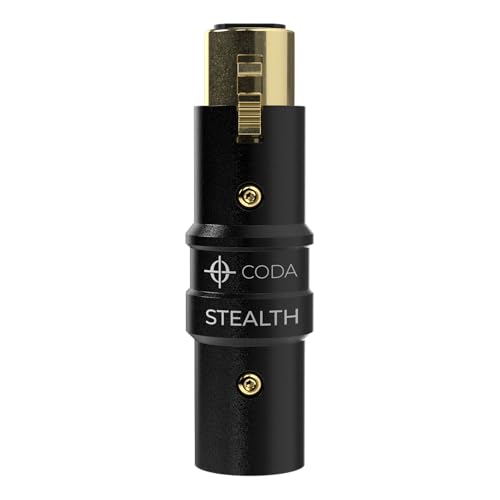
- Adds 28 dB of clean gain
- Powered by 48V phantom power
- Designed for dynamic and ribbon mics
Best For: Single-mic vocal setups using dynamic or ribbon microphones
Two-Channel Vocal Signal Booster

- Provides 25 dB of clean gain
- Boosts two dynamic or passive ribbon mics
- Uses balanced XLR connections
Best For: Two-microphone vocal, podcast, or live-sound setups
Flexible Multi-Input Vocal Preamp
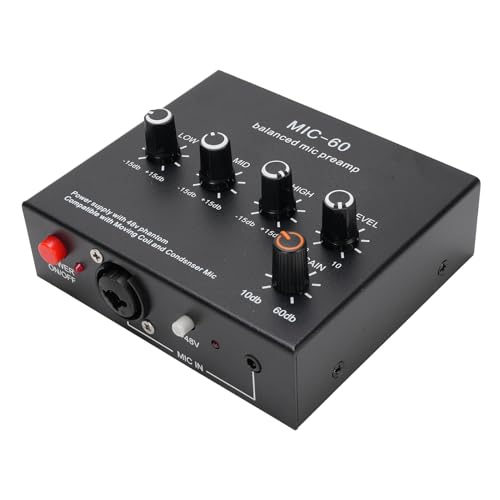
- Offers up to 60 dB of gain
- Supports dynamic and condenser microphones
- Includes XLR, 3.5mm, and 6.35mm outputs
Best For: Flexible vocal recording and live-streaming setups
Best Low-Noise Value

- 19–66dB gain with claimed -120dBV EIN
- 48V phantom power for condenser microphones
- XLR, TRS, and TS outputs with Type-C power
Best For: Budget vocal recording and portable setups
Best Compact Booster

- 20dB balanced gain boost
- 48V power for condenser microphones
- Compact black metal enclosure
Best For: Home studios, podcasting, and live streaming
Best for Flexible Vocal Routing

- Up to 75dB gain with claimed -120dB EIN
- 48V phantom power for dynamic and condenser microphones
- Balanced XLR plus separate 3.5mm outputs
Best For: High-gain vocal recording and mixed-format setups
Feature-Packed Channel Strip – dbx 286s
The dbx 286s is a versatile microphone preamp for vocals when you want more than basic gain. Its channel-strip design combines compression, de-essing, enhancement, and expander/gate processing for shaping vocal signals before they reach your recording or live-sound setup.
Best For: Vocalists, home studios, podcasting, and rack-based setups that need integrated signal processing.
Pros:
- Combines microphone preamplification with compression, de-essing, enhancer, and expander/gate sections.
- Compression can help bring vocals forward and make loud and quiet elements more consistent.
- Includes XLR and 1/4-inch inputs, loop-out capability, status LEDs, and rack-mount hardware.
- De-esser and enhancer sections address sibilance, high-frequency harshness, detail, and presence.
Cons:
- Its 1U rack format is less convenient for compact or highly portable setups.
- Users seeking only clean preamp gain may not need its additional processing sections.
Choose the dbx 286s if you want a complete vocal-processing path in one rack unit. It is especially practical for users who prefer hands-on control over dynamics, sibilance, tone, and gating before recording or broadcast.
Clean Gain Booster – Cloudlifter CL-1
The Cloudlifter CL-1 is a straightforward microphone preamp for vocals that adds up to 25 dB of gain to quiet passive microphones. It is designed to strengthen the signal while preserving the microphone’s natural sound and works with a preamp or interface that supplies phantom power.
Best For: Passive dynamic or ribbon microphones, podcasting, streaming, voiceover, and studio vocal recording.
Pros:
- Provides up to +25 dB of ultra-clean gain for low-output passive microphones.
- Uses phantom power without passing phantom power through to the microphone.
- Compatible with passive ribbon microphones and other standard microphone inputs with phantom power.
- Compact XLR design is easy to place between a microphone and existing preamp.
Cons:
- It requires an external microphone preamp or interface with phantom power.
- It is a gain activator rather than a full channel strip with compression or tone controls.
The CL-1 is a focused solution when your microphone signal is too quiet but you want to retain the rest of your setup. It makes the most sense as an inline upgrade for passive microphones rather than as a standalone recording interface.
Simple Tube Preamp – ART Tube MP
The ART Tube MP is a compact single-channel tube microphone preamplifier for vocal and instrument sources. Its simple design suits buyers who want dedicated preamp hardware without the additional processing sections found on a channel strip.
Best For: Vocalists and musicians seeking a basic single-channel tube microphone or instrument preamp.
Pros:
- Provides a dedicated single-channel tube preamp for microphones and instruments.
- Simple, focused design may be easy to integrate into a basic recording chain.
- Includes a two-year manufacturer warranty.
Cons:
- The supplied notes do not specify gain range, connectors, phantom-power details, or onboard controls.
- Single-channel operation limits simultaneous multi-microphone use.
The Tube MP is worth considering when a straightforward tube-based preamp is the priority. Because the supplied specifications are limited, confirm its connection and power requirements before matching it with your interface and vocal microphone.
Flexible Low-Noise Preamp – RO-04 Mic Preamp
The RO-04 is a flexible microphone preamp for vocals with adjustable gain from 0 to 72 dB and a claimed -120 dBV equivalent input noise. It is designed for low-output microphones, instruments, desktop recording, and mobile streaming, with USB-C power-bank support and selectable output levels.
Best For: Vocalists, podcasters, streamers, and musicians using dynamic microphones, condenser microphones, ribbons, or instruments across desktop and mobile setups.
Pros:
- Offers a wide 0–72 dB gain range for quiet sources and demanding dynamic microphones.
- Includes separate microphone and high-impedance instrument inputs with 48V phantom power.
- Provides two output levels for professional equipment and consumer or mobile streaming devices.
- USB-C and power-bank support improve portability while retaining 48V phantom-power capability.
Cons:
- The supplied notes do not identify the included cables or detailed output connector types.
- Its broad feature set may be more than needed for a simple stationary vocal chain.
The RO-04 is a strong fit for users who move between recording, streaming, and mobile workflows. Its gain range, input options, output matching, and portable power support make it more adaptable than a basic single-purpose preamp.
Clean Gain for Dynamic Mics – Coda MB-Stealth
If you need a microphone preamp for vocals and use a dynamic or passive ribbon microphone, the Coda MB-Stealth adds 28 dB of gain from your audio interface’s 48V phantom power. Its compact in-line design is intended to strengthen quieter mic signals without adding noticeable coloration.
Best For: Vocalists, podcasters, and streamers using dynamic or ribbon microphones with an audio interface.
Pros:
- Provides 28 dB of ultra-clean gain.
- Uses standard 48V phantom power, so no separate adapter is needed.
- Compact aluminum housing with a reported -70 dB noise rating.
Cons:
- Not compatible with condenser microphones.
- Offers one channel and requires an interface or mixer with phantom power.
The MB-Stealth is a straightforward solution for bringing low-output dynamic vocal microphones up to a more usable level. Confirm your microphone type and phantom-power availability before choosing it.
Two-Channel Vocal Signal Booster – StudioMan CL-200
For a microphone preamp for vocals that can handle two passive microphone signals, the StudioMan CL-200 provides up to 25 dB of clean gain per channel. It is designed for dynamic and passive ribbon microphones and runs from 48V phantom power supplied by a mixer or interface.
Best For: Home studios, vocal recording, podcasting, and live setups needing two boosted dynamic or passive ribbon microphones.
Pros:
- Dual-channel design supports two microphone signals simultaneously.
- Offers +25 dB gain with stated low distortion and a flat 10 Hz–20 kHz response.
- Balanced XLR input and output support professional audio connections and longer output cable runs.
- Includes a one-year warranty and technical support according to the supplied details.
Cons:
- Not compatible with condenser microphones or passing phantom power to them.
- Requires 48V phantom power from connected equipment.
- The manufacturer recommends keeping the mic-to-booster XLR cable under 30 feet.
The CL-200 is the more practical choice when your vocal setup needs two channels rather than a single in-line booster. Its balanced connections and stated transparent response suit both studio and stage signal chains.
Flexible Multi-Input Vocal Preamp – VBESTLIFE 3-Input Booster
If you want a microphone preamp for vocals with broader connection options, this VBESTLIFE unit combines up to 60 dB of gain, three inputs, 48V power, and multiple outputs. It supports both dynamic and condenser microphones, making it more flexible than in-line boosters limited to passive mic types.
Best For: Home vocal studios, live streamers, and users connecting microphones to interfaces, mixers, speakers, or other audio equipment.
Pros:
- Provides up to 60 dB of gain for quieter microphone signals.
- Supports both dynamic and condenser microphones with 48V power.
- Offers XLR balanced, 3.5mm, and 6.35mm outputs for flexible system integration.
- Compact metal housing is designed to reduce interference.
Cons:
- The supplied details list a 90-day manufacturer warranty.
- Multiple connection types may require more setup than a simple in-line booster.
- The product information does not specify a detailed frequency-response range or noise rating.
This model stands out when connection flexibility and condenser-mic support matter more than a minimal signal path. Its three-input design and varied outputs make it a versatile option for vocal recording and streaming systems.
Best Low-Noise Value – RO03 66dB Mic Preamp
If you need a microphone preamp for vocals that emphasizes clean gain on a budget, the upgraded RO03 is a practical option. Its 19–66dB gain range, -120dBV EIN specification, 48V phantom power, and Type-C power input suit dynamic and condenser microphones in studio, streaming, and portable setups. For the lowest noise, the manufacturer recommends connecting its output to an audio interface’s TRS line input rather than XLR input.
Best For: Vocalists and home recordists seeking low-noise gain, flexible outputs, and portable Type-C power.
Pros:
- Offers a practical 19–66dB gain range with claimed -120dBV EIN performance.
- Supports dynamic, condenser, and ribbon microphones, plus instruments through a 1MΩ input.
- Provides XLR, TRS, and TS outputs, with Type-C power for portable use.
Cons:
- The two input ports cannot be used simultaneously.
- Achieving the lowest noise may require the correct TRS connection and cable.
The RO03 stands out for combining substantial usable gain with broad connectivity. It is particularly appealing when a clean vocal signal and flexible routing matter more than a simple plug-and-play design.
Best Compact Booster – 20dB Vocal Mic Preamplifier
This compact microphone preamp for vocals is designed for straightforward signal boosting. It provides 20dB of balanced, transparent gain, 48V power for compatible condenser microphones, and a lightweight metal enclosure suited to home studios, podcasting, recording, and live streaming.
Best For: Users who want a simple, portable gain boost for dynamic or condenser microphones.
Pros:
- Delivers 20dB of claimed clean, transparent gain.
- Includes 48V power for use with condenser microphones as well as dynamic models.
- Compact metal housing helps with portability and EMC interference reduction.
Cons:
- Offers less gain than the other listed preamps.
- The supplied notes identify an XLR output but do not specify additional output formats.
Choose this model when simplicity and a small footprint are priorities. Its fixed 20dB boost is less adjustable, but that can make it a convenient fit for uncomplicated vocal and streaming chains.
Best for Flexible Vocal Routing – MIC-1 75dB Mic Preamp
For a microphone preamp for vocals that can accommodate both high-gain dynamic microphones and portable devices, the MIC-1 offers up to 75dB of claimed clean gain and -120dB EIN performance. It adds 48V phantom power, balanced XLR output, and separate 3.5mm mic and line outputs, making it adaptable for recording, streaming, and DAW-based workflows.
Best For: Vocal recording with low-output dynamic microphones, condenser microphones, and mixed-format output needs.
Pros:
- Provides up to 75dB of gain for low-output dynamic microphones.
- Includes 48V phantom power and supports microphones such as SM7B and SM58.
- Combines balanced XLR output with independent 3.5mm mic and line outputs.
Cons:
- The two input ports cannot operate simultaneously.
- Its maximum gain may be more than necessary for already-strong vocal signals.
The MIC-1 is the most versatile choice here for users who need both substantial gain and multiple connection options. Its 3.5mm outputs broaden compatibility with compact devices, while the balanced XLR output remains suitable for conventional studio wiring.
How We Picked the Best Microphone Preamp for Vocals
We focused on the features that matter when bringing vocal microphones up to a healthy recording or mixing level. Our comparison considers maximum gain, claimed equivalent input noise, compatibility with dynamic, condenser, and ribbon microphones, phantom-power support, input and output connections, and the amount of signal shaping available.
We also separated inline boosters from standalone preamps and channel strips. Inline models are useful when a dynamic or ribbon microphone needs extra clean gain, while standalone units can provide more controls, multiple inputs, instrument compatibility, or vocal-processing features. Product specifications can vary by revision, so confirm the included cables, power requirements, and connector layout before purchasing.
Quick Comparison
- Best for channel-strip control: dbx DBX286SV, with compression, de-essing, enhancement, and gating.
- Best-known inline activator: Cloud Microphones Cloudlifter CL-1 for adding clean gain to compatible low-output microphones.
- Best for tube-style coloration: ART Tube MP.
- Best for flexible studio gain: RO-04, RO03, and MIC-1 models with broad gain ranges and low-noise claims.
- Best for compact inline gain: Coda MB-Stealth or StudioMan CL-200.
- Best for multiple connection options: the three-input preamp with XLR, 3.5mm, and 6.35mm outputs.
Key Buying Factors for a Microphone Preamp for Vocals
Gain and Noise Performance
Dynamic and ribbon microphones often need more gain than condenser microphones. Look for enough clean headroom to reach a strong level without maxing out the control. A low EIN rating is desirable, but treat published figures as a comparison point rather than a guarantee of real-world silence. Cable quality, grounding, interface gain, and room noise also affect the result.
Microphone Compatibility
Condenser microphones require phantom power, while passive ribbon microphones can require extra care. Check whether phantom power is switchable and avoid applying it to microphones that the manufacturer says should not receive it. An inline booster also needs phantom power from the downstream interface or mixer in many setups, even when the microphone itself is passive.
Connections and Signal Path
XLR input and output are the safest choice for balanced studio and live connections. Extra instrument, headphone, 3.5mm, or 6.35mm outputs can be convenient, but verify that the routing matches your equipment. A preamp should connect cleanly to an interface or mixer without creating an unnecessary gain stage.
Processing and Controls
If you want a polished vocal before recording, compression, de-essing, filtering, gating, and enhancement can be useful. However, a simple clean-gain preamp is often easier to troubleshoot and leaves more flexibility for editing and mixing later.
Who Should Buy Which Microphone Preamp for Vocals?
Choose an inline booster if you already own a good interface and mainly need additional gain for a dynamic or ribbon microphone. Choose a standalone preamp if you need front-panel control, phantom power, multiple inputs, or broader compatibility. A channel strip is the better fit for singers who want compression and de-essing during tracking or live performance. For beginners, prioritize clear connections, sufficient gain, and simple controls over an unusually long feature list. For experienced home-studio users, compare noise specifications, headroom, routing, and whether the unit adds useful color or processing to your existing signal chain.