
Choosing the right laptop for music production is about more than raw speed. You need stable performance, enough RAM for sample libraries, fast storage, and a screen size that makes long sessions manageable.
This roundup highlights ten options that can handle recording, editing, and mixing workflows at different budgets and use cases, from portable creator machines to workstation-style laptops.
Best 10 Laptops for Music Production Picks for 2026
Value Pick
Lenovo V15 for everyday music work

- Ryzen 5 5500U with 6 cores and 12 threads
- 16GB RAM and 512GB PCIe NVMe SSD
- HDMI, USB-C, RJ45, and USB-A ports
Best For: Home producers needing affordable, practical performance
Powerhouse Option
Dell Precision 3581 for demanding sessions

- Core i7-13800H with 14 cores
- 32GB DDR5 RAM and 1TB SSD
- Workstation build with RTX A500 graphics
Best For: Users running larger DAW sessions and heavy multitasking
Mac Choice
MacBook Pro 16-inch for portable creative work

- 16-inch Retina display for editing space
- 6-core Core i7 with 16GB RAM
- 512GB SSD plus Thunderbolt/USB-C
Best For: Mac users wanting a large-screen music laptop
Large-Screen Pick
HP 17.3-inch for comfortable music editing

- Big 17.3-inch anti-glare display
- 16GB LPDDR5 RAM and 512GB SSD
- Ryzen 5 7520U for everyday creative tasks
Best For: Users who want a roomy display for DAW work
Creator Powerhouse

- Core i9-9880H with up to 4.8 GHz turbo
- 18.5-inch 1080p screen with 100% sRGB
- 16GB RAM, 512GB SSD, and Wi‑Fi 6
Best For: Producers who want a large-screen Windows laptop for multitasking
Budget Cloud Pick
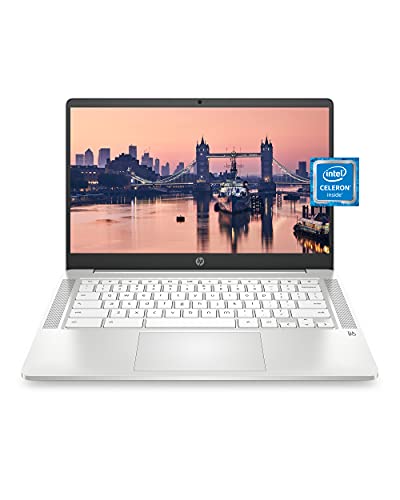
- Intel Celeron N4000 with 4GB RAM
- 32GB eMMC and Chrome OS
- Lightweight body with long battery life
Best For: Beginners doing very light, browser-based music tasks
Balanced Creator Choice

- Ryzen 5 6600H with 6 cores and 4.5 GHz boost
- 16GB DDR5 RAM and 512GB PCIe SSD
- 15.6-inch Full HD IPS display with backlit keyboard
Best For: Students and home creators needing a capable Windows production laptop
Budget 17-inch Option
HP OmniBook 3 17.3-inch Ryzen 3 Laptop
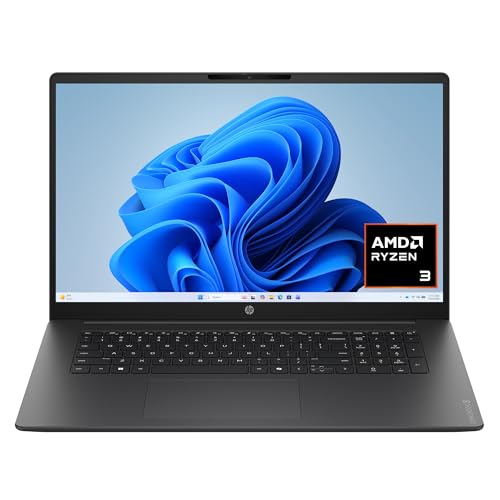
- Large 17.3-inch FHD IPS display
- 512GB SSD with 8GB LPDDR5 RAM
- Wi-Fi 6, Bluetooth 5.4, USB-C connectivity
Best For: Beginners who want a big-screen laptop for light music production and general use
Pro Workstation Pick
HP ZBook Firefly 15 G8 Mobile Workstation
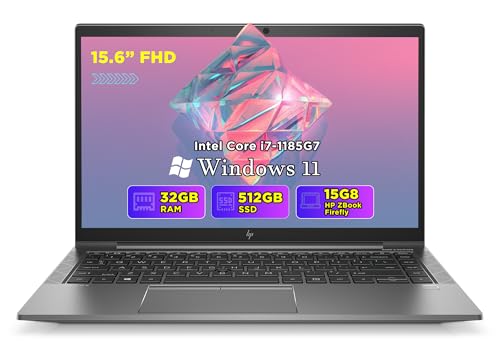
- 32GB RAM for larger sessions and multitasking
- Core i7-1185G7 with 512GB SSD
- Thunderbolt 4 plus dual 4K display support
Best For: Producers who need a workstation-style laptop for heavier music production
Balanced Everyday Choice
Acer Aspire Go 15 Ryzen 7 Laptop
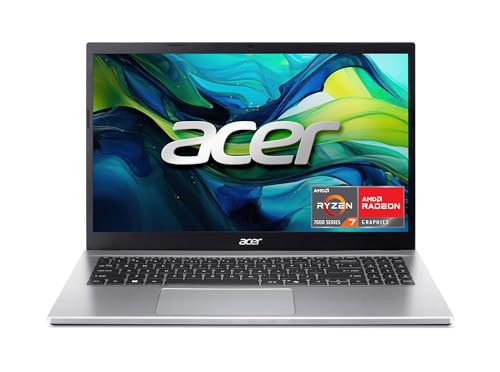
- Ryzen 7 7730U with 16GB RAM
- 512GB PCIe Gen4 SSD for quick loading
- 15.6-inch FHD IPS display with Wi-Fi 6
Best For: Home producers and students who want a balanced laptop for moderate music projects
Value Pick – Lenovo V15 for everyday music work
If you’re shopping for laptops for music production on a budget, the Lenovo V15 gives you the core specs that matter for basic recording and editing sessions: a Ryzen 5 5500U processor, 16GB of RAM, and a 512GB SSD. It also adds practical ports like HDMI, Ethernet, USB-A, and USB-C, which can make connecting interfaces, drives, and external displays easier in a home studio setup.
Best For: Home producers who want a capable everyday laptop for lightweight DAW work, demo building, and general music tasks.
Pros:
- 16GB RAM helps with multitasking across DAWs, browsers, and plugins.
- 512GB PCIe NVMe SSD supports quick boot times and fast file transfers.
- Ryzen 5 5500U offers 6 cores and 12 threads for solid general performance.
- Includes HDMI, RJ45, USB-C, and USB-A for flexible studio connectivity.
Cons:
- Integrated graphics mean it is not aimed at heavy creative workloads beyond audio.
- 15.6-inch FHD display is functional, but not especially premium.
- Best suited to lighter production rather than demanding orchestral or large-project sessions.
Overall, the Lenovo V15 is a sensible entry-level choice if you want a practical machine for music production without paying for workstation-class hardware.
Powerhouse Option – Dell Precision 3581 for demanding sessions
For laptops for music production that need extra headroom, the Dell Precision 3581 brings workstation-grade specs to the table. Its Core i7-13800H, 32GB of DDR5 RAM, and 1TB SSD are well suited to larger project files, heavier multitasking, and keeping a busy creative workflow moving smoothly.
Best For: Producers who want a high-performance Windows workstation for larger DAW projects and multitasking.
Pros:
- Core i7-13800H with 14 cores supports strong multitasking.
- 32GB DDR5 RAM is ideal for larger sessions and heavier app switching.
- 1TB SSD provides ample fast storage for projects and sample libraries.
- Dedicated Nvidia GeForce RTX A500 adds extra graphics capability if you also edit video or work visually.
Cons:
- At 8 pounds, it is not a lightweight portable option.
- Renewed condition may not appeal to buyers who want brand-new hardware.
- Graphics power is more than many audio-only users need, so it may be overkill for simple projects.
This is the most workstation-like choice here, making it a strong pick if your music projects are getting bigger and you want room to grow.
Mac Choice – MacBook Pro 16-inch for portable creative work
If you prefer macOS for music production, this renewed 2019 MacBook Pro offers a 16-inch Retina display, a 6-core Intel Core i7, 16GB of RAM, and a 512GB SSD. The combination is practical for editing, arranging, and working in common music apps, while the 11-hour battery life and Thunderbolt/USB-C connectivity help keep it useful on the move.
Best For: Mac users who want a proven large-screen laptop for everyday music creation and mobile work.
Pros:
- 16-inch Retina display gives you a spacious workspace for timelines and mixer views.
- 16GB RAM and a 6-core Core i7 support balanced creative performance.
- 512GB SSD offers quick storage for projects and samples.
- Thunderbolt and USB-C ports fit modern audio and accessory setups.
Cons:
- It is a renewed older model, not a current-generation MacBook.
- MacOS version listed in the notes is unusual, so buyers should verify software compatibility.
- Memory tops out at 16GB, which may limit bigger sample-heavy sessions.
For producers who like the Mac workflow and want a larger screen without buying new, this remains a capable creative machine.
Large-Screen Pick – HP 17.3-inch for comfortable music editing
Among laptops for music production, the HP 17.3-inch stands out if you want more room on screen while you work. Its 17.3-inch anti-glare HD+ display, Ryzen 5 7520U processor, 16GB of LPDDR5 RAM, and 512GB SSD make it a straightforward option for recording, arranging, and handling everyday creative tasks.
Best For: Producers who want a big display for editing sessions, track layouts, and comfortable day-to-day studio use.
Pros:
- Large 17.3-inch anti-glare display makes DAW layouts easier to view.
- 16GB LPDDR5 RAM and a 512GB SSD support responsive everyday performance.
- Ryzen 5 7520U is suited to general productivity and creative work.
- AI noise reduction and camera shutter are useful extras for remote collaboration.
Cons:
- HD+ resolution is lower than Full HD, so detail is not as sharp as some alternatives.
- USB-C supports data transfer only, limiting docking flexibility.
- Integrated graphics and modest processor specs make it better for basic to moderate projects.
If screen space matters more than portability, this HP is an easygoing choice for music work at home.
Creator Powerhouse – 18.5 Inch Core i9 Laptop
If you want laptops for music production with plenty of headroom, this Core i9 model is built for heavy multitasking and creative work. The 8-core, 16-thread processor, 16GB RAM, and SSD storage give it the speed needed for DAWs, plugins, sample libraries, and everyday studio tasks, while the large 18.5-inch Full HD display makes arranging tracks and editing sessions easier.
Best For: Music producers who want a large-screen Windows laptop for bigger sessions, multitasking, and studio organization.
Pros:
- Core i9-9880H with up to 4.8 GHz turbo for demanding workloads
- 18.5-inch 1080p display with 100% sRGB and 180-degree opening
- 16GB RAM and 512GB SSD for responsive everyday performance
- Backlit keyboard, fingerprint login, and full port selection
Cons:
- Integrated graphics only, so it is not aimed at GPU-heavy tasks
- At 2.6 kg, it is less portable than smaller laptops
- Windows 11 Home and the large footprint may be more than some users need
For music production, this is a practical pick when you value a roomy screen and strong general performance over portability. It looks especially suitable for users who keep multiple windows open while tracking, mixing, or organizing samples.
Budget Cloud Pick – HP Chromebook 14
Among laptops for music production, this HP Chromebook 14 makes sense only for very light, browser-based audio work. Its Intel Celeron processor, 4GB RAM, and 32GB eMMC storage are modest, but the lightweight design and long battery life can appeal to users who mainly stream lessons, manage files, or work with simple web tools.
Best For: Beginners who want an inexpensive, lightweight laptop for basic browser-based music tasks and media use.
Pros:
- Lightweight 3.24 lb design for easy carrying
- Up to 13 hours 30 minutes of wireless streaming battery life
- Dual microphones and HD webcam for remote communication
- Wi‑Fi 5 and Bluetooth 5.0 for simple connectivity
Cons:
- 4GB RAM and 32GB eMMC storage are very limited for production software
- Chrome OS and Celeron N4000 are better for basic use than serious audio work
- 1366 x 768 display is fairly basic for detailed editing
This is more of a lightweight general-use Chromebook than a true music-production machine. It works best if your workflow stays simple and mostly cloud-based.
Balanced Creator Choice – NIMO 15.6 AI Creator Laptop
This NIMO laptop is the most balanced option here for laptops for music production, thanks to its Ryzen 5 6600H processor, 16GB DDR5 RAM, and 512GB SSD. It is positioned for smoother multitasking, media handling, and daily creative workflows, while the 15.6-inch Full HD screen gives you enough space for arranging tracks, mixing, and keeping plugins visible.
Best For: Students and home creators who want a capable, upgrade-friendly Windows laptop for everyday music production.
Pros:
- Ryzen 5 6600H with 6 cores and up to 4.5 GHz boost
- 16GB DDR5 RAM and 512GB PCIe SSD for smooth multitasking
- 15.6-inch Full HD IPS display for clearer editing and arrangement work
- Backlit keyboard, fingerprint login, USB-C PD support, and upgrade room
Cons:
- Integrated Radeon 660M graphics are fine for light visual work, not heavy GPU tasks
- 15.6-inch screen is useful but less expansive than larger studio-focused laptops
- Battery capacity is solid, but the listing does not promise all-day studio use
For most buyers, this is the most sensible all-around pick because it combines stronger processing with modern memory and storage. It should handle typical recording, editing, and multitasking workflows without feeling overbuilt.
Budget 17-inch Option – HP OmniBook 3 17.3-inch Ryzen 3 Laptop
If you’re comparing laptops for music production and want a large screen without a huge price jump, the HP OmniBook 3 is a practical entry point. Its Ryzen 3 processor, 8GB of LPDDR5 RAM, and 512GB SSD are enough for light DAW sessions, editing, and everyday multitasking, while the 17.3-inch FHD IPS display gives you plenty of room for timelines and mixer views.
Best For: Beginners and budget buyers who want a big display for light music production, note-taking, and general home use.
Pros:
- 17.3-inch FHD IPS screen with wide viewing angles for easier session management
- 512GB PCIe NVMe SSD for fast loading and decent local project storage
- 8GB LPDDR5 RAM helps with everyday multitasking
- Wi-Fi 6, Bluetooth 5.4, and multiple USB-C ports improve connectivity
Cons:
- Ryzen 3 is the least powerful processor in this roundup
- 8GB RAM may feel limiting for larger sample libraries and bigger projects
- 4.4-pound chassis is less portable than smaller laptops
This is the kind of machine that works best when your workflow is modest and your priorities are screen space and affordability. For heavier music production, you’ll likely want more RAM and a stronger processor, but as a starting laptop it covers the basics well.
Pro Workstation Pick – HP ZBook Firefly 15 G8 Mobile Workstation
For laptops for music production that need more headroom, the HP ZBook Firefly 15 G8 is the strongest option here. The Core i7-1185G7, 32GB of RAM, and 512GB SSD are a better fit for larger sessions, multiple plugins, and heavier multitasking, while the 15.6-inch FHD display keeps your project view comfortable.
Best For: Producers who want a workstation-style laptop with lots of RAM for demanding music projects and multitasking.
Pros:
- 32GB RAM is ideal for plugin-heavy and multitask-heavy workflows
- Core i7-1185G7 offers strong performance for demanding applications
- Thunderbolt 4 supports fast data transfer, quick charging, and dual 4K displays
- Windows 11 Pro and MIL-STD-810H durability add business-grade value
Cons:
- Renewed unit, so condition can vary compared with new models
- Integrated graphics are fine for music work but not a performance highlight
- 15.6-inch screen is less expansive than the 17-inch option above
If your music projects are growing and you want a machine that can handle more tracks, more tools, and more background apps, this is the most capable pick in the group. It leans more professional than portable, but the memory and connectivity make it stand out.
Balanced Everyday Choice – Acer Aspire Go 15 Ryzen 7 Laptop
The Acer Aspire Go 15 is a well-rounded choice if you want laptops for music production that stay affordable but still offer solid everyday speed. Its Ryzen 7 7730U, 16GB RAM, and 512GB PCIe Gen4 SSD give it a much better balance for recording, arranging, and running common creative apps than basic entry-level systems.
Best For: Home producers, students, and casual creators who want a balanced laptop for moderate music projects.
Pros:
- Ryzen 7 7730U and 16GB RAM provide strong all-around responsiveness
- 512GB PCIe Gen4 SSD helps with quick boot times and fast loading
- 15.6-inch FHD IPS display is clear and comfortable for editing
- Wi-Fi 6, HDMI 2.1, and USB-C improve modern connectivity
Cons:
- Integrated graphics are basic, which is expected in this class
- 15.6-inch screen offers less workspace than a 17-inch model
- Best suited to moderate projects rather than very large, plugin-heavy sessions
This Acer lands in the sweet spot for users who want better-than-basic performance without jumping into workstation territory. It should suit most general music production tasks well, especially if you value speed, portability, and a reasonable feature set.
How We Picked the Best Laptops for Music Production
We focused on core specs that matter most for Laptops for Music Production: strong processors, at least 16GB of RAM where possible, SSD storage, and display sizes that support comfortable editing. We also considered portability, upgrade potential, and whether each machine is better suited to home studios or travel.
Quick Comparison
For most producers, a well-balanced laptop with a modern mid- or high-tier CPU and 16GB RAM is the sweet spot. Heavier sessions with virtual instruments, large sample libraries, or video-assisted content creation benefit from 32GB RAM and a faster H-series processor. Chromebook-style models are generally not ideal for full DAW workflows.
Key Buying Factors for Laptops for Music Production
Processor Performance
DAWs and plug-ins rely heavily on single-core speed, but modern multi-core CPUs help when you stack tracks, synths, and effects. Look for recent Ryzen 5/7, Core i7, or workstation-class chips if you want more headroom.
RAM and Storage
16GB is the practical minimum for serious use, while 32GB is better for large templates and orchestral libraries. A 512GB SSD works for many users, but 1TB is safer if you keep samples, projects, and recordings locally.
Portability and Connectivity
If you record in different spaces, weight and battery life matter. Also check for enough USB ports, HDMI, and reliable wireless support for interfaces, controllers, and external displays.
Display and Thermals
A 15- to 16-inch FHD display usually offers the best balance of workspace and portability. Good cooling matters too, because sustained audio sessions can expose weak thermal design and cause performance dips.
Who Should Buy Which Laptops for Music Production?
Beginners and budget-focused buyers should prioritize a capable Ryzen or Core i5/i7 system with 16GB RAM and an SSD. Power users running dense sessions should lean toward workstation models with 32GB RAM and stronger CPUs. If you need a portable everyday machine that can still run a DAW reliably, choose a balanced mainstream laptop rather than an underpowered entry-level model.
In short, the best Laptops for Music Production are the ones that match your workflow, not just your budget. Aim for stable performance first, then choose the size, battery life, and features that fit how and where you create.