
If you want stable whole-home WiFi, ethernet backhaul can make a big difference. It helps mesh nodes communicate over a wired connection, which can improve speed, reduce congestion, and keep performance more consistent.
Below, we’ve focused on the best options for different home sizes, internet plans, and budget levels so you can choose a mesh system that fits your setup now and leaves room to grow.
Best 10 Mesh Wifi Systems with Ethernet Backhaul Picks for 2026
Best for Ethernet Backhaul
TP-Link Deco X55 AX3000 Mesh System

- Supports Ethernet backhaul for stable wired mesh links
- Wi‑Fi 6 AX3000 speeds with coverage up to 4,500 sq. ft.
- Three Gigabit ports per unit for flexible wired devices
Best For: Homes that want reliable whole-home Wi‑Fi with wired backhaul support.
Best for Multi-Gig Wired Backhaul
TP-Link Deco BE63 WiFi 7 Mesh (3-Pack)

- Wi-Fi 7 tri-band mesh with BE10000-class speeds
- Four 2.5G ports and USB 3.0 for flexible wired networking
- Supports wired and wireless backhaul for steadier coverage
Best For: Large homes and multi-gig users who want a wired-backhaul Wi-Fi 7 mesh system.
Best for Large Homes
DBIT AX3000 WiFi 6 Mesh System

- Covers up to 6,500 sq. ft. with 3 nodes
- Gigabit ports support Ethernet backhaul
- WiFi 6 AX3000 handles 150+ devices
Best For: Large homes and multi-level spaces that need flexible mesh coverage with wired backhaul support.
Best for Multi-Gig Homes
TP-Link Deco BE85 Tri-Band WiFi 7 Mesh

- Wi-Fi 7 tri-band mesh with very high speeds
- Dual 10G ports plus 2.5G connectivity
- Supports simultaneous wireless and wired backhaul
Best For: Large homes and power users with fiber or multi-gig internet.
Best for Ethernet Backhaul Value
DBIT AX1800 WiFi 6 Mesh System
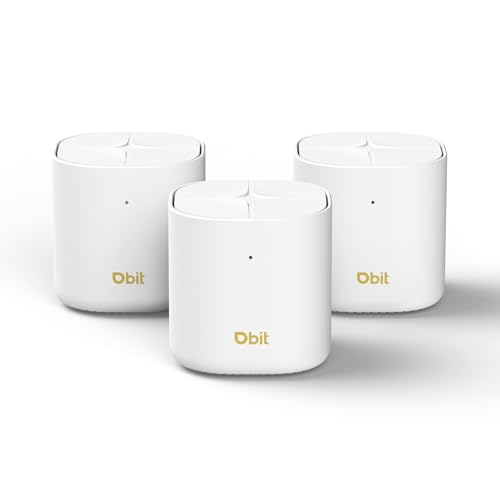
- Supports Ethernet backhaul with Gigabit ports
- 3-pack covers up to 6,500 sq. ft.
- Wi-Fi 6 AX1800 with easy app setup
Best For: Large homes and budget-minded buyers who want a simple mesh kit with wired backhaul support.
Best for Everyday Use
TP-Link Deco X55 Pro AX3000 3-Pack

- 2.5G WAN/LAN ports for faster internet plans
- Wired Ethernet backhaul support for stable mesh links
- Covers large homes and many connected devices
Best For: Large households with multi-gig service and wired backhaul runs.
Best Wired Backhaul Value
TP-Link Deco X15 WiFi 6 Mesh System
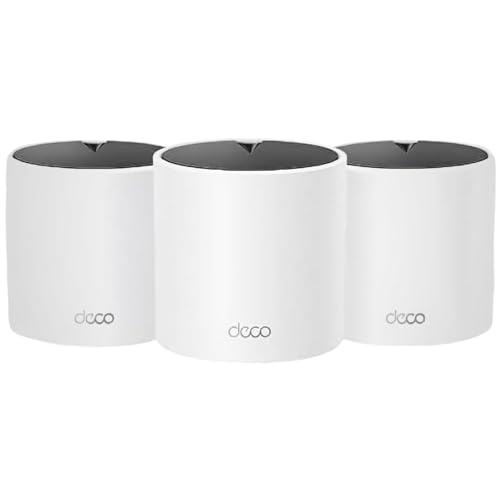
- Supports Ethernet backhaul for steadier node-to-node performance
- 3-pack covers up to 5,600 sq. ft. with Wi‑Fi 6 speed
- Two gigabit ports per unit for wired devices and flexible placement
Best For: Homeowners who want affordable whole-home mesh coverage with wired backhaul support.
Best for Wired Backhaul
TP-Link Deco 7 BE25 WiFi 7 Mesh System

- Wi‑Fi 7 dual-band mesh with BE5000-class speeds
- 2.5G Ethernet ports support wired backhaul
- Covers up to 6,600 sq. ft. and 150+ devices
Best For: Homes that want stable wired backhaul, easy setup, and Wi‑Fi 7 coverage.
Best Heavy-Duty Pick
TP-Link Deco X55 AX3000 Mesh System

- Supports Ethernet backhaul for faster, steadier links
- Wi-Fi 6 AX3000 with up to 2,500 sq. ft. coverage
- Three Gigabit Ethernet ports per unit
Best For: Homes that want a simple, reliable mesh upgrade with wired backhaul support.
Best Simple Pick
TP-Link Deco X20 3-Pack Mesh WiFi 6
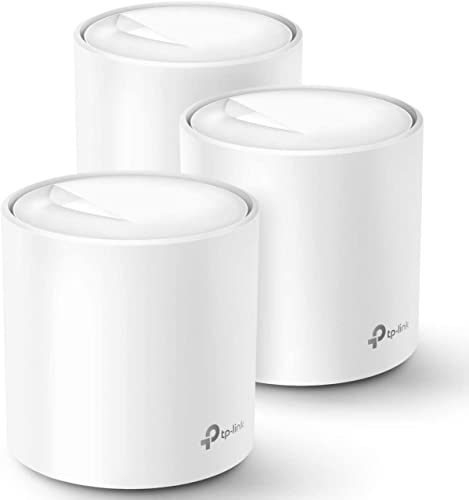
- Supports wired Ethernet backhaul for stronger, more stable performance
- Wi‑Fi 6 coverage up to 5,800 sq. ft. with support for up to 150 devices
- Two Gigabit Ethernet ports per node; 6 total in the 3-pack
Best For: Large homes that want easy mesh setup with the option to use Ethernet backhaul.
Best for Ethernet Backhaul – TP-Link Deco X55 AX3000 Mesh System
If you want a simple upgrade from a basic router or range extender, the TP-Link Deco X55 is a strong pick among mesh wifi systems with ethernet backhaul. It brings Wi‑Fi 6 speeds, broad whole-home coverage, and wired backhaul support for households that can run Ethernet between units.
Best For: Homes that want reliable whole-home Wi‑Fi with the option to use wired Ethernet backhaul for better consistency and speed.
Pros:
- Supports Ethernet backhaul for stronger, more stable mesh performance
- Covers up to 4,500 sq. ft. and handles up to 150 devices
- Three Gigabit ports per unit give you flexible wired connections
- Easy app-based setup and management
Cons:
- 2-pack coverage may be limiting for very large or multi-level homes
- Not the fastest choice for users who need tri-band mesh or multi-gig ports
The Deco X55 is a practical middle-ground option: fast enough for most homes, easy to deploy, and especially appealing if you’re shopping mesh wifi systems with ethernet backhaul for a more dependable wired mesh layout.
Best for Multi-Gig Wired Backhaul – TP-Link Deco BE63 WiFi 7 Mesh (3-Pack)
If you want one of the faster mesh wifi systems with ethernet backhaul, the TP-Link Deco BE63 stands out for its Wi-Fi 7 tri-band design, 2.5G ports, and flexible wired or wireless backhaul. It’s a strong fit for larger homes that need high device capacity, steady roaming, and room to grow.
Best For: Large households, multi-gig internet plans, and buyers who want a wired-backhaul mesh system with modern Wi-Fi 7 performance.
Pros:
- Tri-band Wi-Fi 7 with up to BE10000 class speeds for demanding streaming and gaming
- Four 2.5G WAN/LAN ports plus USB 3.0 for multi-gig and wired flexibility
- Supports simultaneous wired and wireless backhaul for more stable whole-home coverage
- Strong coverage claim and high device support for busy smart homes
Cons:
- Overkill if you only need basic coverage or have slower internet service
- Full wired-backhaul benefits depend on running Ethernet between nodes
For buyers comparing mesh wifi systems with ethernet backhaul, this Deco package is especially compelling if you want future-ready ports, fast roaming, and a system that can scale with a crowded home network. It’s less about budget value and more about getting stable, high-end wired mesh performance.
Best for Large Homes – DBIT AX3000 WiFi 6 Mesh System
If you need a practical upgrade from a single router or basic extender, this DBIT AX3000 kit is a solid pick among mesh wifi systems with ethernet backhaul. The 3-pack is designed for broad coverage, stable roaming, and the option to hardwire nodes for a more reliable backbone.
Best For: Large homes, multi-story layouts, and users who want WiFi 6 coverage with the flexibility of wired backhaul.
Pros:
- Three-node system covers up to 6,500 sq. ft. and supports 150+ devices
- Gigabit ports on each unit make Ethernet backhaul and wired device hookups easy
- WiFi 6 AX3000 speeds are well suited for streaming, gaming, and busy smart homes
- Simple app setup plus mesh-button pairing for quick expansion
Cons:
- Dual-band design is less flexible than some tri-band mesh systems
- Best performance depends on placement and, when possible, wired backhaul
- More features and range than some users need for smaller apartments
For buyers comparing mesh wifi systems with ethernet backhaul, this DBIT pack stands out for its value-focused mix of coverage, gigabit ports, and easy whole-home expansion. It’s a sensible fit if you want mesh performance without moving up to a pricier premium system.
Best for Multi-Gig Homes – TP-Link Deco BE85 Tri-Band WiFi 7 Mesh
If you want one of the most advanced mesh wifi systems with ethernet backhaul, the TP-Link Deco BE85 is built for fast homes with multi-gig internet, lots of devices, and wiring already in place. Wi-Fi 7 support, tri-band radios, and dual 10G ports make it a strong fit for users who want to push both wireless and wired performance.
Best For: Large homes, power users, and anyone with fiber or multi-gig internet who wants a future-proof mesh setup.
Pros:
- Wi-Fi 7 tri-band design with very high top-end throughput
- Two 10G WAN/LAN ports plus 2.5G ports for flexible wired networking
- Supports simultaneous wireless and wired backhaul
- Strong app-based setup, roaming, and HomeShield security tools
Cons:
- Expensive compared with most mesh systems
- Overkill for smaller homes or slower internet plans
- Full value depends on having multi-gig devices or wired backhaul
This is a serious performance-first pick among mesh wifi systems with ethernet backhaul, especially if you want to pair modern Wi-Fi 7 speed with high-end ports and flexible backhaul options. It makes the most sense for buyers building a long-term network rather than looking for a budget upgrade.
Best for Ethernet Backhaul Value – DBIT AX1800 WiFi 6 Mesh System
If you want mesh wifi systems with ethernet backhaul without paying a premium, the DBIT AX1800 3-pack is a practical fit. It combines Wi-Fi 6 speeds, Gigabit ports, and app-based setup to cover a large home while keeping wired backhaul options open for more stable performance.
Best For: Large homes, multi-story layouts, and buyers who want an affordable mesh kit with wired backhaul support and simple expansion.
Pros:
- Supports Ethernet backhaul through Gigabit ports for a more stable wired mesh link
- Three-pack coverage reaches up to 6,500 sq. ft. and supports 150+ devices
- Wi-Fi 6 AX1800 dual-band performance is solid for streaming, gaming, and downloads
- Easy app setup plus mesh-button pairing makes expansion straightforward
Cons:
- AX1800 speeds are good, but not as fast as higher-end Wi-Fi 6/6E systems
- Best results depend on placing nodes well or using wired backhaul where possible
- Feature set is more basic than premium mesh platforms
For shoppers comparing mesh wifi systems with ethernet backhaul, DBIT stands out as a value-oriented choice that delivers the core benefits: stable wired backhaul support, broad coverage, and simple whole-home roaming. It’s a sensible pick if you want to replace a router and extender setup with one unified mesh system.
Best for Everyday Use – TP-Link Deco X55 Pro AX3000 3-Pack
If you need mesh wifi systems with ethernet backhaul that can keep up with faster-than-gig internet, the TP-Link Deco X55 Pro is built for the job. It adds 2.5G WAN/LAN ports, wired backhaul support, and broad whole-home coverage, making it a practical choice for larger homes with lots of devices.
Best For: Households with 1Gbps+ service, wired backhaul runs, and multiple users streaming, gaming, or working at once.
Pros:
- 2.5G WAN/LAN ports help take advantage of multi-gig internet plans
- Supports wired Ethernet backhaul for stronger, more stable mesh performance
- Large coverage and device capacity suit busy homes
Cons:
- Performance gains are biggest when you can actually use the wired backhaul
- More than many basic Wi-Fi 6 mesh kits need if your internet is under 1Gbps
For buyers comparing mesh wifi systems with ethernet backhaul, the Deco X55 Pro stands out for combining easy whole-home coverage with hardware that doesn’t bottleneck faster internet plans. It’s a strong pick if you want a future-ready mesh kit without jumping to a more expensive Wi-Fi 6E or Wi-Fi 7 system.
Best Wired Backhaul Value – TP-Link Deco X15 WiFi 6 Mesh System
If you want one of the more practical mesh wifi systems with ethernet backhaul for a larger home, the TP-Link Deco X15 is built around simple whole-home coverage, Wi‑Fi 6 speeds, and wired-backhaul flexibility without moving into a premium price tier.
Best For: Families or home users who want easy-to-manage mesh coverage, gigabit ports, and the option to hardwire nodes for better stability.
Pros:
- Supports Ethernet backhaul, which can improve speed and consistency between nodes
- Three-pack covers up to 5,600 sq. ft. and supports up to 120 devices
- Each unit includes two gigabit ports for flexible wired device connections
- Wi‑Fi 6 dual-band mesh helps eliminate dead zones and buffering
Cons:
- Dual-band design is not as fast as higher-end tri-band mesh systems
- Advanced home networking features are more limited than on enthusiast gear
The Deco X15 stands out as a straightforward, budget-conscious pick among mesh wifi systems with ethernet backhaul, especially if you value easy setup, wide coverage, and the ability to use wired links for a more stable network.
Best for Wired Backhaul – TP-Link Deco 7 BE25 WiFi 7 Mesh System
TP-Link’s Deco 7 BE25 is a strong pick for shoppers comparing mesh wifi systems with ethernet backhaul, especially if you want Wi‑Fi 7 speed, simple app-based setup, and the option to link nodes with 2.5G Ethernet for a more stable whole-home network.
Best For: Medium to large homes that can take advantage of wired backhaul and want an easy, modern mesh upgrade with strong device support.
Pros:
- Wi‑Fi 7 dual-band system with up to BE5000-class wireless performance
- Two 2.5G ports per unit for wired backhaul and faster wired devices
- Covers up to 6,600 sq. ft. and supports over 150 devices
- Deco app makes setup, management, and firmware updates straightforward
Cons:
- Requires at least two units to benefit from backhaul features
- Dual-band design may be less flexible than tri-band systems in very busy networks
- Wi‑Fi 7 value depends on having compatible devices and fast internet service
If you’re specifically shopping for mesh wifi systems with ethernet backhaul, this Deco kit stands out for combining wired stability with Wi‑Fi 7 features and broad coverage in a setup that’s still beginner-friendly.
Best Heavy-Duty Pick – TP-Link Deco X55 AX3000 Mesh System
If you want one of the more practical mesh wifi systems with ethernet backhaul, the TP-Link Deco X55 is a strong fit thanks to Wi-Fi 6 speeds, simple app-based setup, and three Gigabit ports on each unit for wired devices or backhaul.
Best For: Homes that want a straightforward mesh upgrade with wired backhaul support, solid coverage, and easy expansion.
Pros:
- Supports Ethernet backhaul for better stability and speed
- Wi-Fi 6 AX3000 performance with coverage up to 2,500 sq. ft. per unit
- Three Gigabit Ethernet ports per Deco for wired devices
- Easy app setup and management for everyday use
Cons:
- Single-pack coverage is limited compared with multi-node kits
- No multi-gig port for faster-than-gigabit internet plans
The Deco X55 is a sensible pick if you want mesh wifi systems with ethernet backhaul without paying for more advanced tri-band hardware. It focuses on dependable whole-home coverage, wired flexibility, and simple control rather than flashy extras.
Best Simple Pick – TP-Link Deco X20 3-Pack Mesh WiFi 6
If you want one of the more practical mesh wifi systems with ethernet backhaul, the TP-Link Deco X20 is an easy pick. This Wi‑Fi 6, 3-pack system is built to cover large homes, handle lots of devices, and let you use wired backhaul for stronger node-to-node performance where cabling is available.
Best For: Households that want simple setup, wide coverage, and the speed/stability gains of Ethernet backhaul without spending on a high-end system.
Pros:
- Supports wired Ethernet backhaul for better speeds and more stable whole-home coverage
- Wi‑Fi 6 AX1800 system covers up to 5,800 sq. ft. and supports up to 150 devices
- Two Gigabit Ethernet ports per unit give you 6 total wired ports in the 3-pack
- Deco app setup is straightforward, with parental controls and HomeShield security features
Cons:
- Dual-band design may not be as fast as pricier tri-band mesh systems for heavy wireless backhaul use
- Best results depend on having Ethernet runs between nodes, or at least some wired placement flexibility
For buyers comparing mesh wifi systems with ethernet backhaul, the Deco X20 stands out for delivering a strong balance of coverage, easy management, and wired-backhaul support at a mainstream price point. It is especially appealing if you want a reliable upgrade for a large home without a complicated setup.
How We Picked These Mesh Wifi Systems with Ethernet Backhaul
We prioritized models that support wired node-to-node connections, offer enough Ethernet ports for real-world setups, and provide strong coverage for homes with multiple rooms or floors. We also looked for clear upgrade paths, including faster multi-gig ports on newer Wi-Fi 6E and Wi-Fi 7 systems.
Just as important, we favored systems that balance speed, coverage, and ease of setup. A fast spec sheet is useful, but Mesh Wifi Systems with Ethernet Backhaul should also be practical for everyday use, especially if you plan to wire one or more nodes.
Quick Comparison: What Matters Most
For smaller homes and budget-conscious buyers, dual-band Wi-Fi 6 kits often deliver the best value. For larger homes, heavy streaming, gaming, or fast fiber internet, tri-band and Wi-Fi 7 models are better suited because they can handle more traffic and preserve more speed over wired backhaul.
Pay attention to port speed as well. Gigabit ports are fine for many plans, but 2.5G and 10G ports matter if you have multi-gig internet, a fast NAS, or wired backhaul between nodes that you want to keep future-ready.
Key Buying Factors for Mesh Wifi Systems with Ethernet Backhaul
Coverage and Home Layout
Choose a system based on your actual square footage, wall materials, and number of floors. Larger homes, basements, and detached rooms benefit the most from wired backhaul because the nodes can stay connected even when wireless signals weaken.
Band Configuration
Dual-band systems are usually more affordable, while tri-band systems often perform better under load because they have more wireless capacity. If you can wire your nodes, dual-band can still be a smart buy, but tri-band offers extra breathing room for busy households.
Ethernet and Multi-Gig Ports
Check how many Ethernet ports each unit includes and whether the ports support 1G, 2.5G, or 10G speeds. For Mesh Wifi Systems with Ethernet Backhaul, port layout matters nearly as much as raw wireless speed because it affects how easily you can connect nodes, PCs, consoles, and switches.
Device Capacity and Future Use
If you have lots of smart home devices, stream in 4K, or work from home with video calls, look for higher device support and stronger processor specs. A system that handles today’s load comfortably is more likely to stay reliable as your network grows.
Who Should Buy Which Mesh Wifi Systems with Ethernet Backhaul?
If you want the best value for a typical home, choose a Wi-Fi 6 mesh kit with gigabit or 2.5G ports and plan to wire at least one node. If you have a larger house or heavier usage, step up to a tri-band model for better performance under load.
If you already have multi-gig internet or want a long-term upgrade, Wi-Fi 7 systems are the most future-proof choice. They cost more, but they’re the strongest fit for power users, large families, and anyone who wants top-tier wired backhaul performance with room to expand.