
The best USB condenser microphones make it easy to capture clear, detailed audio without a separate interface or complicated studio setup. The right model can improve podcasts, streams, video calls, voiceovers, music demos, and gaming chat.
We compared 10 popular options across sound quality, pickup patterns, controls, monitoring, connectivity, included accessories, and overall value to help you choose a microphone that fits your setup and recording goals.
Best 10 USB Condenser Microphones Picks for 2026
Versatile Creator Pick

- Four selectable pickup patterns
- Onboard gain, mute, and headphone controls
- Blue VO!CE effects and adjustable stand
Best For: Flexible streaming, podcasting, calls, and home recording
Compact Gaming Pick
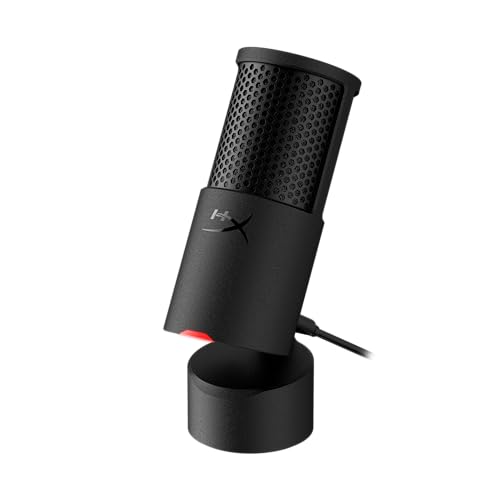
- Cardioid pickup for focused voice capture
- Built-in pop filter and internal shock mount
- Tap-to-mute and 24-bit/96kHz recording
Best For: Space-conscious PC gaming and streaming setups
Complete Budget Setup
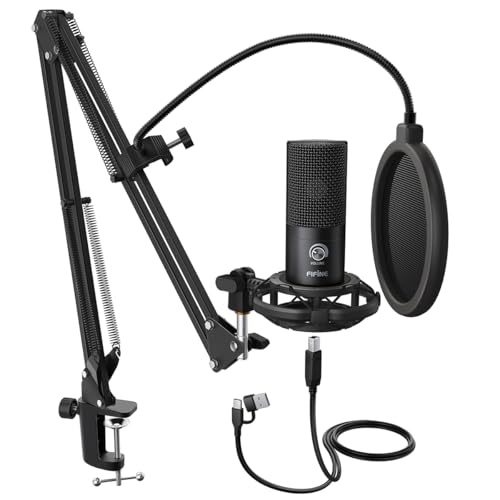
- Cardioid USB microphone for focused vocals
- Boom arm, shock mount, and double pop filter included
- Plug-and-play setup with long USB cable
Best For: Beginner podcasting, voice-over, gaming, and home recording
Best All-in-One Kit
MAONO A04 USB Condenser Microphone

- 192kHz/24-bit chipset with a 16mm capsule
- Includes arm stand, shock mount, pop filter, and windscreen
- Plug-and-play support for computers and select consoles
Best For: Complete podcasting and streaming setups
Best for Simple Monitoring

- Plug-and-play USB connection for Mac, PC, or iPad
- Zero-latency headphone monitoring with volume control
- Detachable magnetic stand and built-in pop filter
Best For: Desk recording, calls, and streaming
Best Budget Desktop Pick

- Plug-and-play USB setup with a 5.9-foot cable
- Metal body, tripod stand, and physical volume knob
- Cardioid pickup for voice chat and streaming
Best For: Affordable desktop recording and meetings
Premium Voice Control
Sennheiser Profile USB Microphone

- Warm, natural cardioid voice capture
- Physical gain, mix, volume, and mute controls
- Includes table stand and headphone jack
Best For: Podcasting, streaming, and focused voice recording
Flexible Pattern Recording

- 24-bit/96kHz high-resolution audio
- Cardioid and omnidirectional capture modes
- Headphone monitoring with flexible mounting
Best For: Creators who record voices, instruments, or group audio
Budget-Friendly Streaming
Amazon Basics USB Condenser Microphone

- Plug-and-play USB connection
- Cardioid pickup with one-tap mute
- Includes 360-degree adjustable stand
Best For: Beginner streamers, calls, and casual recording
Versatile Creator Pick – Blue Yeti USB Microphone
For shoppers comparing usb condenser microphones, the Blue Yeti stands out as a flexible desktop option for streaming, podcasting, meetings, music recording, and video work. Its four pickup patterns and onboard controls make it adaptable to different recording setups without requiring extra hardware.
Best For: Creators who need one microphone for streaming, podcasting, calls, and varied recording arrangements.
Pros:
- Four pickup patterns—cardioid, omnidirectional, bidirectional, and stereo—support different recording styles.
- Onboard gain, mute, headphone volume, and pattern controls simplify live adjustments.
- Includes an adjustable desktop stand and supports direct connection to a mic stand or boom arm.
- Blue VO!CE software adds vocal effects, modulation, and HD audio samples.
Cons:
- Its 3.5-pound weight makes it less portable than lighter desktop microphones.
- The broad feature set may be more than needed for users who only record a single voice.
The Blue Yeti is a strong all-purpose choice when flexibility matters most. Choose it for multi-person, instrument, or changing recording setups, especially if you want physical controls and software effects in one package.
Studio-Focused Choice – RØDE NT-USB+
The RØDE NT-USB+ is a polished option among usb condenser microphones for users who want studio-oriented sound and a straightforward desktop setup. Its USB-C connection, low-noise preamp, headphone monitoring, and included pop filter cover the essentials for recording and streaming.
Best For: Podcasters, musicians, streamers, and remote workers seeking a studio-style USB microphone for computer or mobile use.
Pros:
- Studio-grade condenser capsule and premium components are designed for professional recording.
- Ultra-low-noise, high-gain Revolution Preamp supports clean audio capture.
- High-power headphone output offers zero-latency monitoring while recording.
- Includes a detachable pop filter, desktop stand, and USB-C connectivity with 48kHz/24-bit audio.
Cons:
- The unidirectional pattern offers less placement flexibility than multipattern microphones.
- Advanced APHEX processing requires RØDE Central software.
The NT-USB+ is best suited to focused vocal recording rather than multi-source capture. Its included accessories and mobile-compatible USB-C connection make it a convenient centerpiece for a compact desktop studio.
Compact Gaming Pick – HyperX SoloCast 2
For gaming and streaming setups, the HyperX SoloCast 2 is one of the more streamlined usb condenser microphones. It combines a cardioid capsule with a built-in pop filter, internal shock-mount design, tap-to-mute control, and a compact tiltable stand.
Best For: PC gamers and streamers who want a simple, space-conscious microphone with useful software controls.
Pros:
- Cardioid pickup focuses on sound from the front while reducing pickup from the sides and rear.
- Built-in pop filter and internal suspension system help reduce pops and outside vibrations.
- Tap-to-mute control includes a red LED status indicator.
- Supports 24-bit/96kHz recording and customizable filters through HyperX NGENUITY.
Cons:
- The single unidirectional pattern is less versatile for multi-person or instrument recording.
- The plastic enclosure may feel less substantial than metal-bodied alternatives.
The SoloCast 2 favors convenience over extensive hardware controls. It is a practical fit for focused voice capture at a gaming desk, particularly when a built-in stand, mute control, and software-based sound filters are priorities.
Complete Budget Setup – FIFINE T669 Studio Microphone
The FIFINE T669 is a practical package for shoppers seeking usb condenser microphones with mounting accessories included. Its cardioid capsule, boom arm, shock mount, double pop filter, gain control, and long USB cable provide a ready-to-use setup for podcasting, voice-over work, gaming, and home recording.
Best For: Beginners and home creators who want a complete boom-arm microphone kit without sourcing accessories separately.
Pros:
- Cardioid pickup emphasizes sound from the front and helps reduce ambient noise.
- Includes a steel scissor-arm stand, shock mount, double pop filter, and 8.2-foot USB cable.
- Adjustable arm offers up to 30 inches of reach with multiple positioning adjustments.
- USB plug-and-play setup works with PCs and laptops without additional drivers.
Cons:
- It is incompatible with Xbox according to the supplied notes.
- The kit requires desk space for its clamp or desktop mounting hardware.
- Its single cardioid pattern is intended primarily for focused voice recording.
The T669 makes the most sense when accessory value and positioning flexibility are more important than a minimal desktop footprint. It offers a broad starter kit for podcasting, voice-over, and home recording with fewer extra purchases.
Best All-in-One Kit – MAONO A04 USB Condenser Microphone
For shoppers comparing usb condenser microphones, the MAONO A04 stands out as a complete starter kit for podcasting, streaming, voice-over work, and calls. Its 192kHz/24-bit chipset, 16mm capsule, and cardioid pattern are paired with the accessories needed to get recording quickly.
Best For: Creators who want a full desktop recording setup with a boom arm, shock mount, pop filter, and windscreen included.
Pros:
- 192kHz/24-bit chipset and 16mm condenser capsule support detailed vocal capture.
- Includes an adjustable arm stand, shock mount, pop filter, and foam windscreen.
- Plug-and-play USB connection works with computers, PS4, PS5, and many mobile phones.
- Cardioid design focuses on the main voice source.
Cons:
- Not compatible with Xbox.
- The desk clamp is intended for desktops under 2.1 inches thick.
- It does not work with the Maono Link software.
The A04 is a practical choice when convenience matters as much as microphone performance. It offers a generous accessory bundle, though buyers should verify device and desk compatibility before ordering.
Best for Simple Monitoring – RØDE NT-USB Mini
The RØDE NT-USB Mini is one of the more streamlined usb condenser microphones for desk-based recording. It connects directly to a Mac, PC, or iPad, while its built-in pop filter and studio-style condenser capsule are tuned for speech, calls, and streams.
Best For: Streamers, remote workers, and creators who want easy USB-C setup with live headphone monitoring.
Pros:
- Plug-and-play USB connection requires no interface or drivers.
- Zero-latency headphone monitoring and on-mic volume control make recording easier.
- Built-in pop filter helps support clean voice capture.
- Magnetic stand detaches for mounting on an arm with a standard thread.
Cons:
- The package includes a compact desk stand rather than a full boom-arm setup.
- Its unidirectional pattern is primarily suited to a single main sound source.
- The supplied USB-C cable is the listed connection cable, so other device setups may require compatibility checks.
Choose the NT-USB Mini if you value a tidy footprint and immediate monitoring over a larger accessory bundle. Its simple controls and detachable magnetic stand make it easy to move between desk and arm mounting.
Best Budget Desktop Pick – FIFINE K669B USB Microphone
The FIFINE K669B is a straightforward option among usb condenser microphones for recording, meetings, gaming, and streaming. It uses a USB-powered cardioid condenser design, includes a desktop tripod, and adds a physical volume knob for quick level adjustments.
Best For: Budget-conscious PC users who need a durable desktop microphone for voice chat, meetings, streaming, or basic recording.
Pros:
- Plug-and-play USB setup includes a 5.9-foot cable.
- Metal construction and a stable tripod stand suit regular desktop use.
- On-mic volume knob allows quick level changes, including muting to zero.
- Cardioid pickup focuses on the speaker and helps reduce background sound.
Cons:
- Not compatible with Xbox or phones.
- It does not include a boom arm, shock mount, or pop filter.
- Some applications may need automatic volume adjustment disabled to prevent level changes.
The K669B keeps the setup simple and affordable while adding useful physical volume control. It is a sensible fit for desktop voice applications, but shoppers seeking a more complete studio kit will need additional accessories.
Premium Voice Control – Sennheiser Profile USB Microphone
The Sennheiser Profile is one of the more streamlined USB condenser microphones for podcasting, streaming, and voice recording. Its cardioid pickup pattern, metal housing, included table stand, and USB-C connection make it a practical choice when you want polished voice capture without a complicated setup.
Best For: Podcasters, streamers, and creators who want warm vocal sound with convenient physical controls.
Pros:
- Plug-and-play USB setup for PC and Mac
- Natural, warm sound designed to emphasize vocal presence
- Built-in gain, mix, volume, and mute controls
- Includes a compact table stand and headphone jack for monitoring
Cons:
- Cardioid-only pickup limits multi-directional recording options
- Designed primarily for tabletop use out of the box
The Profile stands out for its hands-on workflow and sturdy metal construction. Choose it if accessible controls and focused voice recording matter more than multiple pickup patterns.
Flexible Pattern Recording – AKG Ara USB-C Microphone
The AKG Ara is a versatile option among USB condenser microphones, offering 24-bit/96kHz audio and two capture modes. Its USB-C plug-and-play setup, headphone monitoring, and flexible mounting options suit creators who record from a desktop or switch between different recording situations.
Best For: Podcasters, video bloggers, gamers, and musicians who need cardioid and omnidirectional recording modes.
Pros:
- High-resolution 24-bit/96kHz audio capture
- Switches between cardioid and omnidirectional modes
- Provides zero-latency headphone monitoring and output control
- Works with Mac, PC, and supported iOS or Android devices
Cons:
- Two-pattern selection is less extensive than microphones with more pickup options
- USB-C microphone cable includes a USB-A connection on the computer end
The Ara is a strong fit when recording flexibility is important. Its dual-pattern design and mounting compatibility make it more adaptable than a basic single-pattern desktop microphone.
Budget-Friendly Streaming – Amazon Basics USB Condenser Microphone
The Amazon Basics condenser microphone is a straightforward pick for shoppers seeking affordable USB condenser microphones for streaming, calls, podcasting, or basic recording. It uses a cardioid pickup pattern, plug-and-play USB connectivity, a one-tap mute button, and a 360-degree adjustable stand.
Best For: Beginners, streamers, and home users who want simple USB recording with an included adjustable stand.
Pros:
- Plug-and-play operation without additional drivers
- Cardioid pickup helps focus on sound from the front
- One-tap mute function for quick control
- Adjustable 360-degree stand and standard 5/8-inch mounting compatibility
Cons:
- Plastic or plastic-alloy construction is less premium than metal-bodied alternatives
- Single cardioid pattern does not suit omnidirectional recording
This model prioritizes ease of use and essential features over advanced controls. It is a sensible entry-level choice for desk-based streaming, conferencing, and casual voice recording.
How We Picked the Best USB Condenser Microphones
We focused on practical features that matter when recording directly into a computer. Our comparison considered audio resolution, pickup pattern flexibility, headphone monitoring, mute and gain controls, USB connectivity, stand or mount compatibility, included accessories, portability, and ease of setup. We also included options at different price points, from straightforward entry-level microphones to more polished models for regular podcasting, streaming, and production work.
Because condenser microphones are sensitive, we also considered how useful each model is in typical home environments. Built-in pop filters, shock isolation, adjustable stands, and cardioid pickup can make a meaningful difference when a room is not acoustically treated.
Quick Comparison
| Best For | What to Look For |
|---|---|
| Streaming and gaming | Simple controls, mute access, low-latency monitoring, and a stable stand |
| Podcasting and voiceover | Clear cardioid capture, pop protection, headphone output, and gain control |
| Music and detailed recording | High-resolution recording, broad frequency response, and reliable monitoring |
| Multi-person recording | Multiple pickup patterns or a microphone designed for wider room coverage |
| Budget setups | Plug-and-play USB operation and useful accessories included in the box |
Key Buying Factors for USB Condenser Microphones
Pickup Pattern
Cardioid microphones prioritize sound from the front and reduce much of the noise behind them, making them a strong choice for solo speakers. Multiple patterns can be useful for interviews, group conversations, or recording in different positions, but they may add controls you do not need.
Audio Resolution and Monitoring
Higher sample rates and bit depths can preserve more recording detail, although microphone placement and room noise often matter just as much. A built-in headphone output with zero-latency monitoring helps you hear your voice without distracting delay.
Controls and Connectivity
Look for accessible gain, volume, and mute controls if you stream or take frequent calls. USB-C is increasingly common, but check whether the included cable matches your computer. Plug-and-play compatibility is especially valuable for laptops and shared workstations.
Mounting and Room Setup
A desk stand is convenient, while a boom arm can position the microphone closer to your mouth and keep it out of the way. Use a pop filter or built-in wind protection, speak toward the front of the microphone, and keep the capsule close enough to reduce room reflections without creating excessive plosives.
Who Should Buy Which USB Condenser Microphones?
Choose a basic cardioid model if you want an affordable microphone for calls, gaming, or occasional recording. Streamers and creators should prioritize easy mute access, headphone monitoring, and a sturdy stand. Podcasters and voiceover users will benefit from clearer front-facing capture, pop protection, and flexible mounting. If you record interviews or multiple people, choose a model with selectable pickup patterns. For music demos or more demanding production, prioritize high-resolution recording, dependable monitoring, and a microphone that can grow with a boom arm or shock mount.