
Long hours in front of a screen can be tiring, so the right display matters more than ever. The best computer monitors for eye comfort reduce strain while still delivering clear text, smooth motion, and practical everyday usability.
Below, we’ve rounded up 10 strong options for work, school, and casual gaming, with a focus on eye-friendly features, useful stands, and value across different sizes and resolutions.
Best 10 Computer Monitors for Eye Comfort Picks for 2026
Eye-Comfort Productivity Pick
BenQ GW2790T 27" 100Hz IPS Monitor

- Eye-Care tech with low blue light and flicker-free support
- Height and tilt adjustment for ergonomic positioning
- 100Hz IPS panel with anti-glare matte finish
Best For: Home office, study, and everyday comfort-focused use
Slim Everyday Comfort Pick

- Reduced blue light and screen-flicker support
- 27-inch IPS panel with consistent colors
- 100Hz refresh rate in a slim, modern design
Best For: Simple everyday use with a clean desk setup
Ergonomic Desktop Comfort Pick
Dell 24 Plus S2425HSM 24" IPS Monitor

- 4-star TÜV-certified display with blue-light reduction
- Fully adjustable stand: height, tilt, pivot, swivel
- 144Hz refresh rate with built-in speakers
Best For: Compact desk setups that need ergonomic flexibility
Versatile Eye-Care Value Pick
ASUS VA279HG 27" 120Hz IPS Monitor

- Eye Care tech with flicker-free and blue light filter support
- 120Hz refresh rate with 1ms MPRT for smoother motion
- HDMI and VGA connectivity for flexible use
Best For: Budget-friendly comfort with work, media, and light gaming
Philips EasyRead Value Pick
Philips 24" FHD 100Hz Eye Care Monitor

- EasyRead mode for document viewing
- Flicker-Free and Blue Light Filter support
- VA panel with strong contrast
Best For: Office work and reading-heavy tasks
ASUS Eye Care Smooth Motion Choice
ASUS 27" 120Hz IPS Eye Care Monitor

- TV-certified Low Blue Light and Flicker-Free tech
- 27-inch IPS panel with wide viewing angles
- 120Hz refresh rate with 1ms MPRT
Best For: Home office users and casual gamers
Budget 24-inch Smooth-View Pick
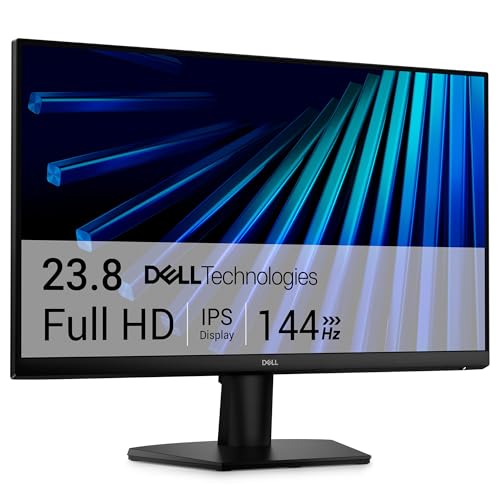
- TdcV Rheinland 3-star eye comfort certification
- 144Hz refresh rate with 1ms MPRT
- IPS panel with 178b0 viewing angles
Best For: Compact everyday use with smoother motion and basic eye-comfort support
Premium QHD Comfort Desk Monitor

- TdcV Rheinland 4-star eye comfort certification
- 27-inch QHD display with more detail than Full HD
- Height, tilt, swivel, and pivot adjustments
Best For: Long desk sessions where sharper text and ergonomic flexibility matter
Eye-Comfort Productivity Pick – BenQ GW2790T 27" 100Hz IPS Monitor
If you’re shopping for computer monitors for eye comfort, the BenQ GW2790T is built around long-session usability. Its 27-inch IPS panel, matte screen, low blue light, anti-glare finish, flicker-free design, and Brightness Intelligence Technology are all aimed at making work, study, and everyday use feel easier on the eyes.
Best For: Home office users, students, and anyone who wants a comfortable 27-inch display for long work sessions.
Pros:
- Eye-Care tech, low blue light, and flicker-free support for extended viewing comfort.
- Height and tilt adjustment help you set a more ergonomic position.
- 100Hz refresh rate gives a smoother feel than standard 60Hz office monitors.
- IPS panel with 178-degree viewing angles keeps the image consistent.
Cons:
- 1080p resolution on a 27-inch screen is not the sharpest option for detailed work.
- Built-in speakers are convenient, but they are usually not a replacement for dedicated audio.
Overall, this BenQ is a practical comfort-first choice if your priority is reducing eye fatigue rather than chasing high-end resolution. It balances everyday productivity features with a smoother refresh rate and easy physical adjustment.
Slim Everyday Comfort Pick – Samsung 27" S30GD IPS Monitor
The Samsung 27″ S30GD is a simple, comfort-oriented option for computer monitors for eye comfort, with an IPS panel and eye-friendly features built into the basics. Its reduced blue light and screen-flicker support make it a sensible pick for people who spend long hours at a desk and want a clean, modern display without extra complexity.
Best For: Users who want a straightforward 27-inch monitor for daily work, browsing, and light gaming.
Pros:
- Reduced blue light and screen flicker help support longer viewing sessions.
- IPS panel keeps colors bright and consistent across angles.
- 100Hz refresh rate offers smoother motion than standard office displays.
- Super-slim design with thin bezels looks clean on a desk.
Cons:
- The listing does not mention height adjustment or other ergonomic stand tweaks.
- Details on ports and included accessories are limited in the supplied notes.
This Samsung monitor focuses on the essentials: comfort, smoothness, and a sleek footprint. If you want an easy-to-live-with 27-inch screen for everyday use, it fits that brief well.
Ergonomic Desktop Comfort Pick – Dell 24 Plus S2425HSM 24" IPS Monitor
For shoppers comparing computer monitors for eye comfort, the Dell 24 Plus S2425HSM stands out with a 4-star TÜV-certified display and blue-light reduction. It also adds a fully adjustable stand, so you can fine-tune height, tilt, pivot, and swivel for a viewing position that feels more natural during long work or entertainment sessions.
Best For: People who want a compact 24-inch monitor with strong ergonomic adjustment and comfort-focused certification.
Pros:
- 4-star TÜV-certified display with reduced harmful blue light.
- Height, tilt, pivot, and swivel adjustability support better ergonomics.
- 144Hz refresh rate and 1ms MPRT create a very smooth image.
- Built-in dual 3W speakers add convenience for a desktop setup.
Cons:
- 24-inch size may feel small if you prefer a larger workspace.
- The 8ms response time in the details is less impressive than the headline MPRT figure for some users.
This Dell is a strong all-around pick if comfort and adjustability matter as much as image quality. It is especially appealing for desk setups where a smaller screen and flexible stand are priorities.
Versatile Eye-Care Value Pick – ASUS VA279HG 27" 120Hz IPS Monitor
The ASUS VA279HG is a strong value-minded option for computer monitors for eye comfort, especially if you want a 27-inch IPS panel with eye-care features and a smoother-than-basic refresh rate. Its flicker-free design, blue light filter, and 120Hz refresh rate make it suitable for work, entertainment, and light gaming without feeling dated.
Best For: Budget-conscious buyers who want a comfortable 27-inch monitor with flexible connectivity and a smooth desktop feel.
Pros:
- ASUS Eye Care technology, flicker-free support, and a blue light filter help reduce strain.
- 120Hz refresh rate and 1ms MPRT improve scrolling and motion smoothness.
- IPS panel with 178-degree viewing angles keeps visuals consistent.
- HDMI and VGA connectivity make it easy to use with multiple devices.
Cons:
- 1080p resolution on 27 inches is fine for everyday use, but not especially sharp.
- The stand adjustment options are not highlighted in the supplied notes.
If you want a practical comfort monitor with extra speed and broad compatibility, this ASUS is easy to recommend. It strikes a good balance between eye-friendly features and general-purpose versatility.
Philips EasyRead Value Pick – Philips 24" FHD 100Hz Eye Care Monitor
If you want computer monitors for eye comfort without overcomplicating the setup, this 23.8-inch Philips model covers the basics well. It combines Full HD resolution, Flicker-Free support, Blue Light Filter, and EasyRead mode for a more paper-like look when handling long documents.
Best For: Office work, reading-heavy tasks, and budget-conscious buyers who want a simple eye-care monitor.
Pros:
- EasyRead mode is designed to make lengthy documents feel more like reading on paper.
- Flicker-Free and Blue Light Filter features support more comfortable extended use.
- VA panel delivers strong contrast with deeper blacks and brighter whites.
- 100Hz refresh rate adds a bit more smoothness than standard 60Hz office displays.
Cons:
- Full HD on a 23.8-inch screen is practical, but not as roomy as larger options.
- Only one HDMI port is listed, so connectivity is fairly basic.
- Glossy screen finish may not suit every bright office setup.
Overall, this Philips monitor is a straightforward eye-comfort choice for everyday desktop use. It focuses more on readability and comfort features than extras, which makes it a sensible pick for work-first setups.
ASUS Eye Care Smooth Motion Choice – ASUS 27" 120Hz IPS Eye Care Monitor
Among computer monitors for eye comfort, this ASUS model stands out for pairing Eye Care technology with a 27-inch IPS screen and 120Hz refresh rate. It is built for people who want a larger workspace, smoother motion, and low blue light plus flicker-free support for longer sessions.
Best For: Home office users, students, and casual gamers who want eye-care features on a roomy 27-inch display.
Pros:
- TV-certified Low Blue Light and Flicker-Free tech are aimed at longer, more comfortable viewing.
- 27-inch IPS panel gives you wide-angle viewing and a larger everyday workspace.
- 120Hz refresh rate and 1ms MPRT make scrolling and motion look smoother.
- 99% sRGB coverage adds solid color quality for streaming and daily productivity.
Cons:
- 1080p resolution on 27 inches is fine for general use, but not the sharpest in this size class.
- Designed for mixed use rather than a more specialized ergonomic stand feature set.
- Brightness and feature set are practical, but not aimed at premium creator workflows.
This ASUS is a strong all-rounder if comfort and smoothness matter more than ultra-high resolution. It gives you a larger screen with helpful eye-care tools, making it an easy monitor to live with for work and entertainment.
Samsung Curved Comfort Pick – Samsung 32" Curved FHD Eye Comfort Monitor
If you prefer a larger screen in computer monitors for eye comfort, this 32-inch Samsung model combines a curved design with TUV-certified eye comfort technology. The monitor is built to reduce blue light and screen flicker while the curve helps keep the display feel more immersive and less distracting.
Best For: Users who want a big, curved screen for work, streaming, and long sessions with eye-comfort features.
Pros:
- Curved 32-inch design creates a more immersive view and reduces peripheral distractions.
- TUV-certified eye comfort technology helps minimize blue light and flicker.
- 100Hz refresh rate keeps content moving smoothly for work, video, and gaming.
- Built-in speakers help keep the desk setup simple.
Cons:
- 1080p resolution on a 32-inch screen is roomy, but not especially sharp.
- Only one HDMI port is listed, so expandability is limited.
- Curved screens are a matter of preference and may not suit every desk setup.
For buyers who want a larger display with comfort features front and center, this Samsung is easy to understand. It emphasizes reduced eye strain, smoother motion, and a more immersive layout rather than packed-on premium extras.
Budget 24-inch Smooth-View Pick – Dell 24 Monitor SE2426H
If you want computer monitors for eye comfort without giving up smooth motion, this Dell 24 is a practical entry point. It pairs a 23.8-inch IPS panel with a 144Hz refresh rate and 1ms MPRT, so everyday scrolling, work, and streaming all feel fluid while the TdcV Rheinland 3-star certification is aimed at reducing harmful blue light.
Best For: Everyday desktop users who want a compact monitor with smoother motion and basic eye-comfort support.
Pros:
- TdcV Rheinland 3-star eye comfort certification helps reduce harmful blue light.
- 144Hz refresh rate and 1ms MPRT make motion look smooth and responsive.
- IPS technology and 178b0 viewing angles help keep colors consistent.
- Matte screen, anti-glare finish, and ultra-thin bezels suit a simple desk setup.
Cons:
- Full HD resolution on a 24-inch screen is more basic than higher-resolution options.
- Built-in speakers are not listed.
- Stand adjustment is limited to tilt.
Overall, this model is a balanced choice if you want a smaller monitor that stays comfortable for long sessions and still feels lively in daily use. It is best viewed as a value-focused eye-comfort option rather than a feature-heavy work monitor.
Premium QHD Comfort Desk Monitor – Dell S2725DS 27-Inch
For computer monitors for eye comfort with a more refined desktop experience, the Dell S2725DS stands out with a 27-inch QHD panel and TdcV Rheinland 4-star eye comfort certification. The higher 2560 x 1440 resolution gives you more detail than Full HD, while the 100Hz refresh rate and anti-glare, flicker-free design support comfortable daily viewing.
Best For: Users who want a larger, sharper monitor for work, reading, and long desk sessions.
Pros:
- TdcV Rheinland 4-star eye comfort certification is designed to help reduce eye fatigue.
- 27-inch QHD resolution offers noticeably more detail than Full HD.
- Anti-glare and flicker-free features support easier extended viewing.
- Height, tilt, swivel, and pivot adjustments make it easier to set up comfortably.
Cons:
- It is a larger, heavier monitor than 24-inch options.
- Integrated speakers are included, but audio features are still basic compared with external speakers.
- 100Hz is smooth, though not as fast as gaming-focused panels.
This is the most comfort-forward choice in the group if you spend a lot of time at a desk and want sharper text and more flexible ergonomics. It blends eye-comfort certification with practical adjustability in a well-rounded business-style monitor.
Portable Eyes-Care Second Screen – InnoView 23.8" FHD 144Hz
If you need computer monitors for eye comfort that can move with your workspace, this InnoView portable display is built for flexibility. It offers a 23.8-inch IPS panel, Full HD resolution, 100% sRGB color coverage, and a DC Eyes Care mode, making it a useful second screen for work, travel between rooms, or gaming setups.
Best For: People who want a portable second monitor with flexible positioning and eye-care features.
Pros:
- DC Eyes Care is specifically listed for more comfortable viewing.
- 100% sRGB and IPS technology support accurate color and wide viewing angles.
- 144Hz refresh rate and 2ms response time help keep motion smooth.
- USB-C and HDMI compatibility make it easy to use with many devices.
Cons:
- Glossy screen finish may reflect more light than matte displays.
- At 23.8 inches and 3.3 pounds, it is portable, but the brand notes it is not ideal for take-out use.
- Brightness is listed at 250 cd, which is modest compared with some desk monitors.
Overall, this is a versatile pick if you want a large portable monitor that can slide into a flexible work setup and still offer eye-care-oriented features. It makes the most sense as a movable second screen rather than a permanent high-end desktop display.
How We Picked the Best Computer Monitors for Eye Comfort
We prioritized models with features that can help during extended viewing sessions, including flicker-free backlights, low blue light modes, anti-glare coatings, eye-comfort certifications, and adjustable stands. We also considered resolution, refresh rate, panel type, and how well each screen fits common use cases like office work, reading, light creative work, and gaming.
Quick Comparison
For most people, 24-inch FHD monitors are the simplest value choice, while 27-inch models offer more screen space and a more relaxed viewing experience. If you want sharper text and more room for multitasking, a QHD option stands out. Portable monitors make sense for travel and dual-screen setups, but they usually trade away stand flexibility and long-term desk comfort.
Key Buying Factors for Computer Monitors for Eye Comfort
Screen Size and Resolution
A larger screen is not always better if the resolution is too low. For 24-inch displays, FHD is usually fine. At 27 inches, FHD can still work, but QHD often looks sharper and may be easier on the eyes for text-heavy use.
Panel Type and Motion
IPS panels generally offer better viewing angles and more consistent color, which can improve comfort. A higher refresh rate may also make scrolling and motion feel smoother, especially if you spend time in spreadsheets, browsers, or games.
Eye-Care Features
Look for flicker-free backlighting, low blue light settings, and anti-glare coatings. Certifications such as TÜV can be a useful sign that a monitor is designed with comfort in mind, though they are not a substitute for good ergonomics and healthy break habits.
Ergonomics
Height, tilt, swivel, and pivot adjustments matter a lot. A monitor that sits at the right eye level can reduce neck tension and help you maintain a more natural posture throughout the day.
Who Should Buy Which Computer Monitors for Eye Comfort?
If you want a budget-friendly everyday display, a 24-inch FHD IPS monitor is often the easiest fit. If you work long hours at a desk, a 27-inch monitor with stronger eye-comfort features and a fully adjustable stand is worth the upgrade. If you care about smoother motion for both productivity and play, choose a higher-refresh model. For frequent travel or a laptop companion, a portable monitor can add flexibility, but it is best as a secondary screen rather than your main all-day display.
In short, the best Computer Monitors for Eye Comfort are the ones that match your desk setup, viewing distance, and workload. Comfort comes from the right mix of image quality, posture support, and practical features you will actually use every day.