
Choosing a smart home hub for an apartment is less about building the biggest possible system and more about finding reliable control without adding clutter, complexity, or unnecessary hardware.
This roundup compares 10 apartment-friendly hubs across major ecosystems, wireless standards, automation features, and everyday ease of use.
Best 10 Smart Home Hubs for Apartments Picks for 2026
Best Overall

- Preinstalled Home Assistant OS
- Local, privacy-focused data storage
- Silent design with expandable protocols
Best For: Flexible apartment automation and local control
Best Touchscreen Hub

- Customizable 8-inch control panel
- Supports Wi-Fi, Zigbee, Matter, and Thread
- Works with thousands of Alexa devices
Best For: Visual, family-friendly Alexa control
Best for Local Automation

- Runs automations locally
- Supports four major protocols
- No recurring subscription required
Best For: DIY users seeking fast, private routines
Best for Hue Lighting
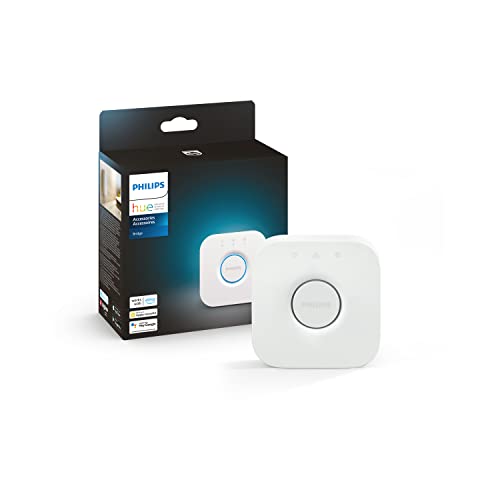
- Controls up to 50 Hue devices
- Uses Zigbee instead of Wi-Fi
- Adds Matter and remote control support
Best For: Philips Hue lighting systems
Best Compact Hub

- Supports up to 64 Tapo devices
- Low-power protocol helps extend battery life
- Built-in chime and up to 90 dB siren
Best For: Tapo-focused apartments with sensors and simple automations
Best Multi-Protocol Hub
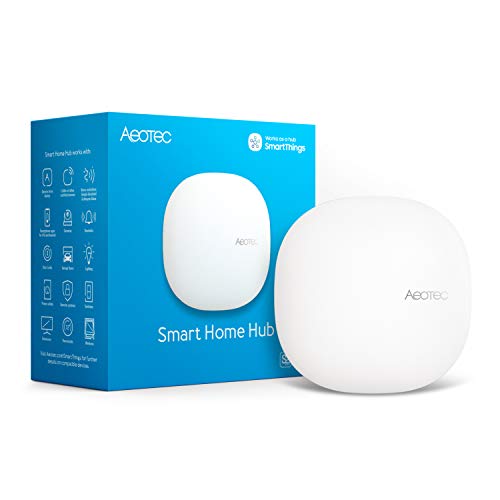
- Supports Matter, Zigbee, and Z-Wave Plus on V3
- Works with Alexa and Google Home
- Connects through Wi-Fi or Ethernet
Best For: Apartments with mixed-brand devices and custom routines
Best Local-Control Hub
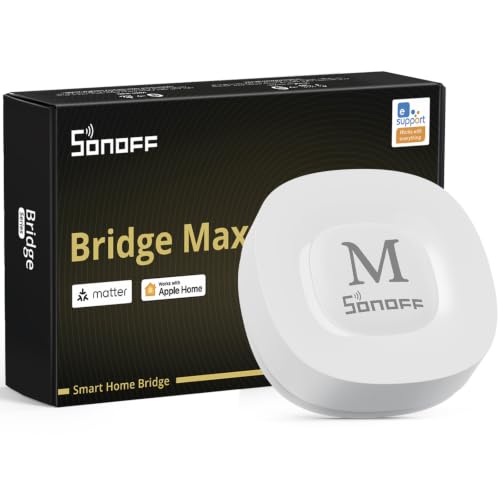
- Bridges Zigbee devices to Matter platforms
- Local web console reduces cloud dependence
- Supports Home Assistant, Ethernet, and Wi-Fi
Best For: Privacy-focused users with Zigbee devices or Home Assistant
Best Lighting-Focused Hub
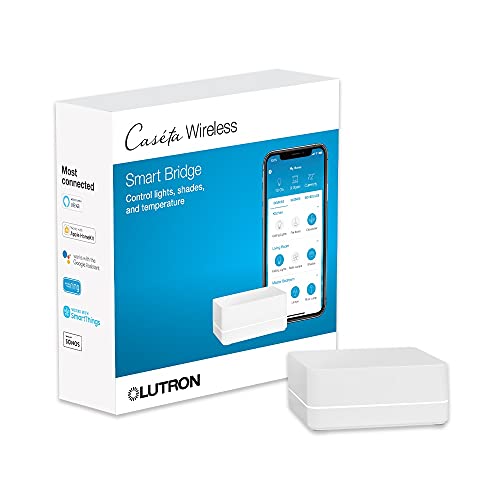
- Supports up to 75 Caseta devices
- Works with Alexa, Apple HomeKit, and Google Assistant
- Clear Connect technology avoids competing with Wi-Fi devices
Best For: Apartment lighting systems built around Lutron Caseta
Best All-in-One Control Hub

- Controls SwitchBot, Matter, and many infrared appliances
- Displays temperature, humidity, and home status
- Adds a physical dial, buttons, and Matter bridging
Best For: Apartments needing appliance control and at-a-glance monitoring
Best Budget Tuya Gateway

- Combines Zigbee 3.0 and Bluetooth mesh
- Supports up to 128 Tuya devices
- Enables app automation and Alexa or Google Home control
Best For: Apartments using Tuya or Smart Life devices exclusively
Best Overall – Home Assistant Green
Home Assistant Green | Smart Home hub with Advanced Automation | Official Home Assistant Hardware
Check Price On AmazonHome Assistant Green is a strong choice for apartments where you want one quiet, power-efficient hub to coordinate devices and automations. Home Assistant comes preinstalled, and the compact unit can expand with USB adapters for Zigbee, Z-Wave, or Thread.
Best For: Apartment residents who want flexible, privacy-focused automation and broad device control.
Pros:
- Home Assistant is preinstalled for a simpler setup.
- Runs locally, keeping home data on the hub.
- Small, fanless, silent design uses only a couple of watts.
- USB ports support future Zigbee, Z-Wave, and Thread expansion.
Cons:
- Ethernet connectivity requires a wired network connection.
- Additional protocol support requires separate USB devices.
Green is a particularly capable foundation for an apartment smart home if you value customization and local control over a dedicated touchscreen interface.
Best Touchscreen Hub – Amazon Echo Hub
The Amazon Echo Hub adds an apartment-friendly touchscreen for organizing smart home controls, cameras, routines, and security devices in one place. Its built-in support for Wi-Fi, Bluetooth, Zigbee, Matter, Sidewalk, and Thread helps reduce the need for extra hubs.
Best For: Households that want an easy visual control panel and Alexa-based smart home management.
Pros:
- Customizable 8-inch dashboard for devices, cameras, and routines.
- Built-in hub support works with thousands of compatible devices.
- Can be wall mounted or used with a separately sold tabletop stand.
- Includes privacy controls such as a microphone-off button.
Cons:
- Wall cable pass-through, power-over-Ethernet, and tabletop stand accessories are sold separately.
- Some Ring features require Alexa+ and a compatible Ring subscription.
For apartments centered on Alexa, the Echo Hub combines a convenient dashboard with broad protocol support, though its best installation options may add accessory costs.
Best for Local Automation – Hubitat Elevation C-8 Pro
Hubitat Elevation C-8 Pro is designed for apartment smart homes that need fast, reliable automations without depending on cloud processing. It supports Matter, Z-Wave, Zigbee, and Bluetooth, while also working with Alexa, Google Home, and Apple HomeKit.
Best For: Privacy-conscious DIY users who want advanced local routines without a subscription.
Pros:
- Local processing keeps automations running if the internet goes down.
- Supports Matter, Z-Wave 800, Zigbee 3.0, and Bluetooth.
- Works with Alexa, Google Home, and Apple HomeKit.
- No recurring subscription is required for full platform functionality.
Cons:
- Advanced features and Rule Machine may require a steeper learning curve.
- Its compact hub does not provide a built-in touchscreen control panel.
The C-8 Pro is a powerful apartment hub for users willing to spend time configuring routines, especially when local reliability and protocol flexibility matter most.
Best for Hue Lighting – Philips Hue Bridge
The Philips Hue Bridge is a focused smart lighting hub for apartments built around Philips Hue bulbs and accessories. Its Zigbee connection helps keep lighting traffic off your Wi-Fi, and it unlocks automations, remote control, Matter connectivity, and support for up to 50 lights and accessories.
Best For: Philips Hue households that want dependable whole-apartment lighting control and automation.
Pros:
- Supports up to 50 Hue lights and accessories.
- Zigbee provides a stable connection that does not strain Wi-Fi.
- Enables out-of-home control and lighting automations.
- Works with Matter, Alexa, Apple HomeKit, and Google Assistant.
Cons:
- It is primarily a Philips Hue lighting hub rather than a general-purpose smart home controller.
- Hue Sync surround lighting requires a separately sold HDMI Sync Box.
If your apartment uses mostly Hue products, this bridge offers a straightforward way to expand lighting and add remote access without replacing your existing ecosystem.
Best Compact Hub – Tapo H100 Smart Hub
For apartment dwellers building around Tapo devices, the Tapo H100 is a compact smart home hub for apartments that connects sensors, switches, and buttons over a low-power wireless protocol. It requires a 2.4GHz Wi-Fi connection and can support up to 64 Tapo devices.
Best For: Tapo-focused apartments that need simple sensor-based automations, extended device battery life, and a built-in alarm.
Pros:
- Supports up to 64 Tapo devices with a stated maximum range of up to 30 meters.
- Low-power connectivity can extend compatible device battery life by up to 10 times compared with Wi-Fi-powered devices.
- Built-in chime and siren can provide alerts when paired with compatible Tapo sensors.
Cons:
- Requires 2.4GHz Wi-Fi.
- Designed for Tapo sensors, switches, and buttons rather than broad multi-brand compatibility.
- Cannot directly connect to Tapo smart plugs or smart lighting.
The H100 makes the most sense when your apartment setup is already centered on Tapo products. Its small footprint, device capacity, and low-power protocol are useful for straightforward routines, but its ecosystem limits are important to consider before buying.
Best Multi-Protocol Hub – Aeotec Smart Home Hub
The Aeotec Smart Home Hub is a flexible smart home hub for apartments where devices may span several standards. It works with SmartThings and supports Matter, Zigbee, Z-Wave Plus on the V3 model, and Wi-Fi, with setup through the SmartThings app over Wi-Fi or Ethernet.
Best For: Apartment residents who want broad device compatibility, custom routines, and Alexa or Google Assistant integration.
Pros:
- Supports Matter, SmartThings, Zigbee, Wi-Fi, and Z-Wave Plus on the V3 model.
- Works with Amazon Alexa and Google Home.
- Offers Wi-Fi or wired Ethernet setup and supports automations through the SmartThings app.
- Many automations can run locally for improved speed and reliability.
Cons:
- Designed for use in North America.
- Its broad compatibility may involve more setup and configuration than a single-brand hub.
- Z-Wave Plus support is specified for the V3 model.
Choose the Aeotec hub if flexibility matters more than minimal setup. Its mix of protocols and voice-assistant support gives apartment users room to expand, while Ethernet connectivity can help keep the hub reliably connected.
Best Local-Control Hub – SONOFF Bridge-M Zigbee Hub
The SONOFF Bridge-M is a practical smart home hub for apartments that need Zigbee device bridging and local control. It links Zigbee, BTHome, and eWeLink devices to Matter-compatible platforms, while its local web console allows configuration over the LAN without relying on cloud services.
Best For: Privacy-conscious apartment users who want Zigbee devices to work with Apple Home, Alexa, Google Home, or Home Assistant.
Pros:
- Bridges compatible Zigbee, BTHome, and eWeLink devices to Matter platforms.
- Provides a local web console and can operate without cloud reliance for configuration.
- Supports Home Assistant through MQTT and offers Wi-Fi or RJ45 Ethernet connectivity.
- Includes a built-in 90 dB alarm when paired with Zigbee sensors.
Cons:
- It is a Matter Bridge, not a Matter Hub or Controller, so it cannot add Matter devices directly.
- Compatibility depends on the specific Zigbee and third-party devices used.
- Its broader integration options may require more technical setup than a single-ecosystem hub.
The Bridge-M is especially appealing for apartments where local control and Home Assistant support are priorities. Just be sure to distinguish its Matter Bridge role from a Matter Controller before planning a new Matter-only setup.
Best Lighting-Focused Hub – Lutron Caseta Smart Hub
For apartments centered around reliable smart lighting, the Lutron Caseta Smart Hub is a focused choice among smart home hubs for apartments. It connects to your router, works with the Lutron app, and supports Alexa, Apple HomeKit, Google Assistant, Ring, Serena shades, and Sonos.
Best For: Apartment residents building a Lutron Caseta lighting system with voice-control support.
Pros:
- Supports up to 75 Caseta devices for gradual expansion.
- Works with Alexa, Apple HomeKit, Google Assistant, Ring, Serena shades, and Sonos.
- Uses Clear Connect Technology, which does not compete with Wi-Fi-connected devices.
- Setup is straightforward: plug it in, connect it to the router, and follow the app instructions.
Cons:
- It is primarily suited to Lutron Caseta devices and coordinating accessories are sold separately.
- Caseta dimmers and switches are not included.
This hub makes the most sense if lighting is the foundation of your apartment automation. Its broad platform compatibility and 75-device capacity leave room to grow, but buyers seeking a general-purpose hub for many unrelated device brands may want a more expansive alternative.
Best All-in-One Control Hub – SwitchBot Hub 3
The SwitchBot Hub 3 stands out among smart home hubs for apartments by combining device control, environmental monitoring, and hands-on controls in one compact command center. It supports SwitchBot products, more than 100,000 infrared appliances, and third-party Matter-compatible devices.
Best For: Apartment dwellers who want broad appliance control, room-status information, and physical controls alongside app and voice commands.
Pros:
- Controls compatible infrared appliances such as TVs, air conditioners, and lights.
- Built-in temperature and humidity sensing with an accuracy of ±0.2°C.
- Includes an IPS status screen, physical dial, and customizable buttons.
- Supports Matter bridging and works with Alexa, Google Home, and Apple Home under the listed 2.4GHz setup requirements.
Cons:
- Some features require additional SwitchBot products, such as the Lock and Meter Pro CO₂.
- Matter setup requires the iPhone, HomePod or Apple TV, and Hub 3 to use the same 2.4GHz Wi-Fi network.
- Its larger feature set may be more than needed for a simple lighting setup.
Hub 3 is a strong fit for renters who want one visible control point for appliances, scenes, and indoor conditions. The dial and screen make everyday use approachable, while Matter support provides a path toward a broader multi-brand setup.
Best Budget Tuya Gateway – Smart Multi-Mode Gateway
This compact gateway is a practical option among smart home hubs for apartments when your devices use the Tuya Smart or Smart Life ecosystem. It combines Zigbee 3.0 and Bluetooth mesh connectivity, enables remote app control, and supports Alexa and Google Home voice commands.
Best For: Apartment residents using Tuya or Smart Life Zigbee and Bluetooth devices.
Pros:
- Combines Zigbee 3.0 and Bluetooth mesh in one gateway.
- Supports remote control, device grouping, and automation through the Smart Life or Tuya app.
- Supports up to 128 Tuya smart home devices.
- Works with Alexa and Google Home for supported voice commands.
Cons:
- Supports Tuya or SmartLife devices only.
- Requires a 2.4GHz network.
- Its compatibility is narrower than hubs designed for multiple broader ecosystems.
The gateway is appealing for a small apartment built around compatible Tuya devices, especially if you want Zigbee and Bluetooth mesh support without separate hubs. Confirm that every planned device is Tuya-compatible before buying, since the ecosystem restriction is its main limitation.
How We Picked the Best Smart Home Hubs for Apartments
We evaluated these hubs for the needs that matter most in apartments: compact design, dependable connectivity, broad device compatibility, straightforward setup, and useful automation. We also considered whether each model works best as a general-purpose controller or as the center of a specific ecosystem, such as Philips Hue, Lutron Caseta, SmartThings, Tapo, or SwitchBot.
Because apartment residents may rent, move frequently, or have limited space for networking equipment, we favored hubs that can deliver meaningful control without requiring a complex wired installation. Support for standards such as Zigbee, Z-Wave, Matter, Bluetooth, Wi-Fi, and infrared can also reduce the need for multiple bridges.
Quick Comparison
| Best For | What to Look For |
|---|---|
| Simple voice and touchscreen control | Amazon Echo Hub |
| Advanced local automation | Home Assistant Green or Hubitat Elevation C-8 Pro |
| Smart lighting | Philips Hue Bridge or Lutron Caseta Smart Hub |
| Broad protocol support | Aeotec Smart Home Hub |
| SwitchBot and infrared devices | SwitchBot Hub 3 |
| Affordable sensor and accessory control | Tapo H100 or SONOFF Bridge Max |
Key Buying Factors for Smart Home Hubs for Apartments
Compatibility and Wireless Standards
Check the protocols used by your current and planned devices before buying. Matter can improve cross-platform compatibility, while Zigbee and Z-Wave are useful for sensors, switches, and other devices that do not rely entirely on Wi-Fi. If you already own a large ecosystem, its dedicated hub may offer the smoothest experience.
Size, Placement, and Network Requirements
A small hub is easier to position near your router or entertainment center, but confirm whether it needs Ethernet, 2.4GHz Wi-Fi, or continuous cloud access. Apartment walls and crowded wireless networks can affect reliability, so placement away from metal, thick concrete, and other routers is helpful.
Local Automation and Privacy
Some hubs can run routines locally, which may improve response times and keep basic automations working during an internet outage. Others depend more heavily on cloud services but may be easier for beginners. Choose based on whether you prioritize flexibility and privacy or simple setup and remote access.
Ease of Control
Voice assistants are convenient, while a touchscreen or physical dial can be better for shared spaces. Look for schedules, scenes, presence controls, notifications, and manual controls that match how you actually use your apartment.
Who Should Buy Which Smart Home Hubs for Apartments?
Choose the Echo Hub if you want an accessible Alexa-centered dashboard and voice control. Home Assistant Green and Hubitat are stronger choices for enthusiasts who want detailed, dependable automation. Philips Hue and Lutron Caseta make the most sense when lighting is your primary goal.
The Aeotec hub is a practical fit for mixed Zigbee, Z-Wave, Matter, and SmartThings setups. SwitchBot Hub 3 is especially useful for infrared appliances and SwitchBot products, while Tapo and SONOFF options suit shoppers building a smaller, budget-conscious system. For any hub, confirm device compatibility and required subscriptions before purchasing.